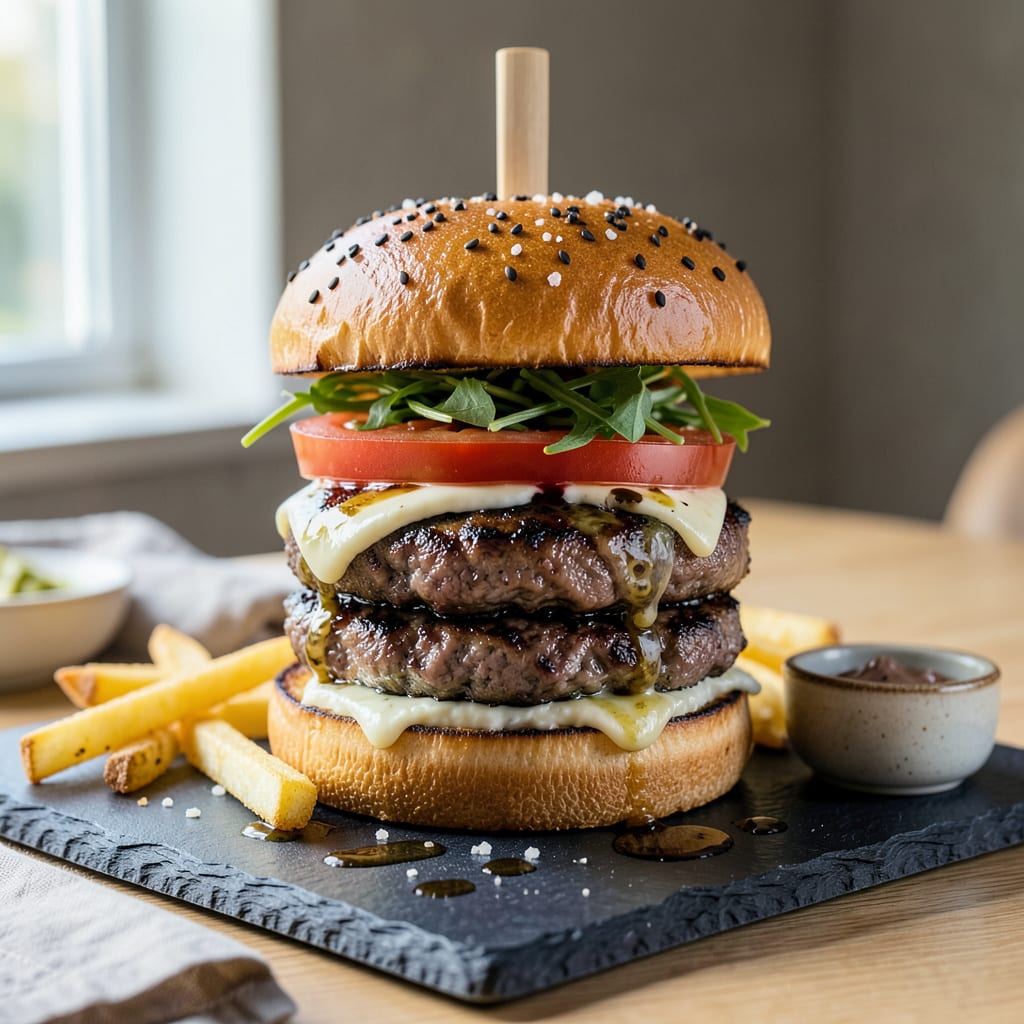
Wagyu burgers deliver exceptional richness, buttery texture, and deep umami flavor thanks to their high marbling, but the premium price may not justify the taste difference for everyone. The quality depends on the beef grade and preparation.
I’ve cooked my fair share of burgers, and what sets wagyu apart is the way its fat melts at lower temperatures, creating a juiciness that standard beef can’t match. 🔥 The marbling isn’t just about flavor—it actually changes the cooking process, requiring more attention to prevent flare-ups. For someone used to classic beef patties, the first bite can be revelatory, but I’ll be honest: the subtle differences might get lost in a loaded burger with bold toppings. That’s why I often recommend trying it simply seasoned first—just salt and pepper—to truly appreciate what you’re paying for.
💡 In This Article
- Why Wagyu Beef Creates a Unique Burger Experience
- Wagyu Burger Cooking Tips and Cost-Saving Alternatives
Why Wagyu Beef Creates a Unique Burger Experience
The magic of wagyu burgers starts with their legendary marbling—those delicate white fat streaks woven through the meat. Unlike standard beef with 10-15% fat content, premium wagyu can reach 30-40% intramuscular fat, which melts at just 77°F (compared to 130°F for regular beef fat).
This means the fat begins rendering the moment it hits your pan, creating an unparalleled juiciness that standard burgers simply can’t match. 🔥
What most people don’t realize is that wagyu’s flavor profile develops from both genetics and diet. Japanese wagyu cattle are genetically predisposed to intense marbling, while their diet often includes beer, sake mash, and even massages to enhance fat distribution.
This results in meat with 40% more oleic acid than regular beef—a monounsaturated fat that gives wagyu its signature buttery texture and subtle sweetness. When ground for burgers, these fats emulsify during cooking, creating a velvety mouthfeel that lingers.
The grade makes a dramatic difference in burger quality. A5 wagyu (the highest grade) contains the most marbling and delivers the most luxurious experience, while lower grades like A3 still offer superior quality to USDA Prime but at a more accessible price point.
I’ve found that A4 wagyu strikes the perfect balance for burgers—enough marbling for that signature richness without overwhelming the palate with fat. The key is maintaining a 70/30 meat-to-fat ratio in your grind to prevent the patty from becoming too greasy during cooking.
Here’s what’s actually happening when you cook a wagyu burger: The low melting point fat renders quickly, so you’ll want to use medium heat (325-350°F) rather than high heat to prevent flare-ups. The patty will cook about 30% faster than a standard beef burger due to the fat content.
What emerges is a crust that’s crisp yet delicate, with an interior that remains juicy even at medium doneness (145°F internal temp). The flavor is more complex than regular beef—think caramelized butter notes with a clean beef finish. ✨
For those accustomed to classic beef burgers, the first bite can be surprising. The texture is noticeably more tender, almost silky, while the flavor is richer but less “beefy” in the traditional sense. This makes wagyu burgers particularly well-suited to simpler preparations where the meat can shine.
I recommend trying your first wagyu burger with just flaky sea salt and a soft brioche bun to fully appreciate the nuanced flavors before experimenting with bold toppings.
It’s worth noting that wagyu’s unique properties also make it more forgiving to cook. The high fat content means you’re less likely to end up with a dry burger, even if you accidentally overcook it slightly.
However, this same fat content requires careful handling—you’ll want to blot the patties gently with a paper towel before cooking to remove excess surface moisture, and consider using a cast iron skillet with tall sides to contain any potential grease splatter. 💫
The science behind this experience is fascinating: the oleic acid in wagyu fat actually binds to flavor compounds differently than the saturated fats in regular beef, creating a more persistent and complex flavor profile.
This is why the aftertaste of a well-made wagyu burger can linger pleasantly for minutes, with layers of umami and subtle sweetness unfolding gradually. It’s not just a burger—it’s a culinary experience that engages multiple senses simultaneously.

Trained in classic French technique but raised on slow-cooked ribs and spicy rubs, she blends culinary skill with smoke and soul.
- Recipe for Boneless Pork Chops in Cast Iron Skillet: Sear and Baste to Juicy Perfection - October 3, 2026
- Recipe for Boneless Cross Rib Roast: Slow-Roasted Beef with Herb Crust - October 3, 2026
- Hamburgers in Sauce Recipe Crock Pot: Slow-Cooked Savory Delight - October 3, 2026