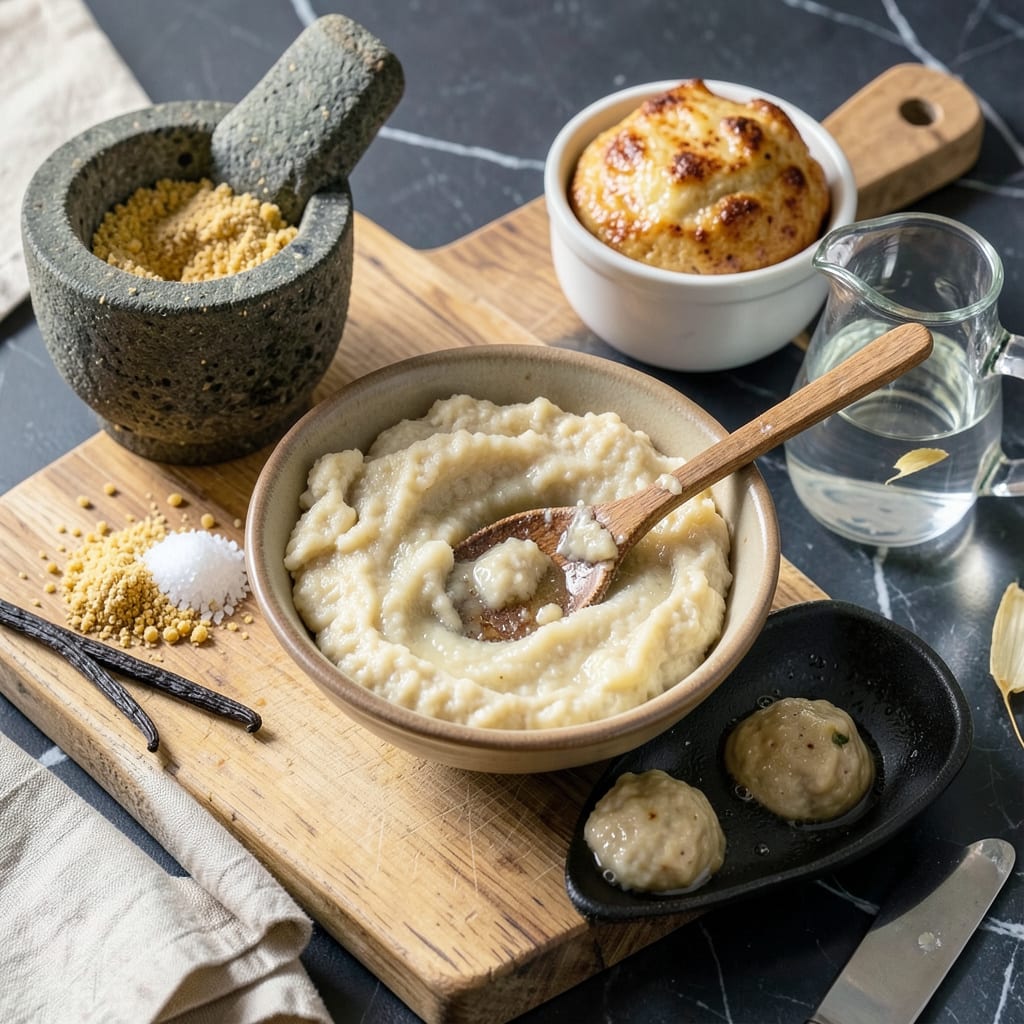
Masa won’t float when it’s too dense, under-mixed, or lacks enough fat/lard. The dough needs proper hydration and air incorporation to achieve the right buoyancy for dishes like tamales or sopes.
I’ve seen this happen often when the dough lacks the right balance of moisture and air pockets. Think of it like trying to float a deflated balloon—without proper expansion, it just sinks. The fat content (traditionally lard) acts as a lubricant, helping the masa hold air during mixing, while hydration levels determine whether the mixture stays light or turns heavy. Many cooks overlook the importance of beating the dough until it reaches a fluffy, almost mousse-like consistency. ✨
💡 In This Article
- Why Masa Density Affects Floating in Cooking
- Step-by-Step Fixes for Sinking Masa Dough
Why Masa Density Affects Floating in Cooking
The secret to floating masa lies in its microscopic structure. When properly prepared, masa dough develops tiny air pockets during beating—similar to how whipped cream traps air. These pockets reduce the overall density, allowing the dough to rise in liquid.
The fat content (traditionally lard at 20-30% ratio) coats the corn particles, preventing them from absorbing too much liquid and becoming waterlogged. Without enough fat, the masa becomes dense and compact, like wet sand instead of fluffy clouds. 🌟
Hydration plays a crucial role in achieving the right consistency. Ideal masa should contain about 50-60% liquid by weight—enough to create a smooth batter but not so much that it becomes runny. The corn flour (masa harina) absorbs moisture differently than wheat flour because it lacks gluten.
Instead, the starches gelatinize when heated, creating a gel-like network that traps air. Under-mixed dough fails to develop this structure, resulting in a heavy, sink-prone mass. Think of it like trying to float a brick versus a sponge. ✨
Temperature affects the process more than most realize. Cold ingredients (especially fat) don’t incorporate air as effectively during mixing. Professional cooks often use room-temperature lard (68-72°F) and warm broth (110-120°F) to create optimal conditions for air entrapment.
The beating process should take 8-12 minutes at medium-high speed to achieve the characteristic “fluff test”—when a spoonful of dough floats briefly before slowly sinking. This is your visual cue that the density is perfect. 🔥
The science behind floating masa involves both physics and chemistry. The air bubbles act like tiny life jackets, while the fat creates a hydrophobic barrier that prevents water absorption. Traditional tamales rely on this principle—the dough must be light enough to surround the filling without compressing it.
When testing, drop a small ball of dough into cold water: properly prepared masa will float within 10-15 seconds, while dense dough will sink immediately or take over a minute to rise. 💫
Common mistakes include using old masa harina (which loses its ability to absorb moisture properly) or substituting butter for lard (butter’s water content throws off the fat-to-liquid ratio). The ideal texture should resemble thick cake batter—smooth but with body. When pressed between fingers, it should hold its shape briefly before slowly spreading.
This balance of structure and fluidity is what creates the perfect floating consistency for authentic dishes. ⚡
Remember that altitude affects masa preparation too. At higher elevations, you may need to increase fat by 5-10% to compensate for lower air pressure, which makes it harder to incorporate air during mixing.
The same principles apply whether you’re making tamales, sopes, or gorditas—the key is always achieving that delicate balance between moisture, fat, and air incorporation that makes the dough light enough to defy gravity. 💛

Trained in classic French technique but raised on slow-cooked ribs and spicy rubs, she blends culinary skill with smoke and soul.
- Recipe for Boneless Pork Chops in Cast Iron Skillet: Sear and Baste to Juicy Perfection - October 3, 2026
- Recipe for Boneless Cross Rib Roast: Slow-Roasted Beef with Herb Crust - October 3, 2026
- Hamburgers in Sauce Recipe Crock Pot: Slow-Cooked Savory Delight - October 3, 2026