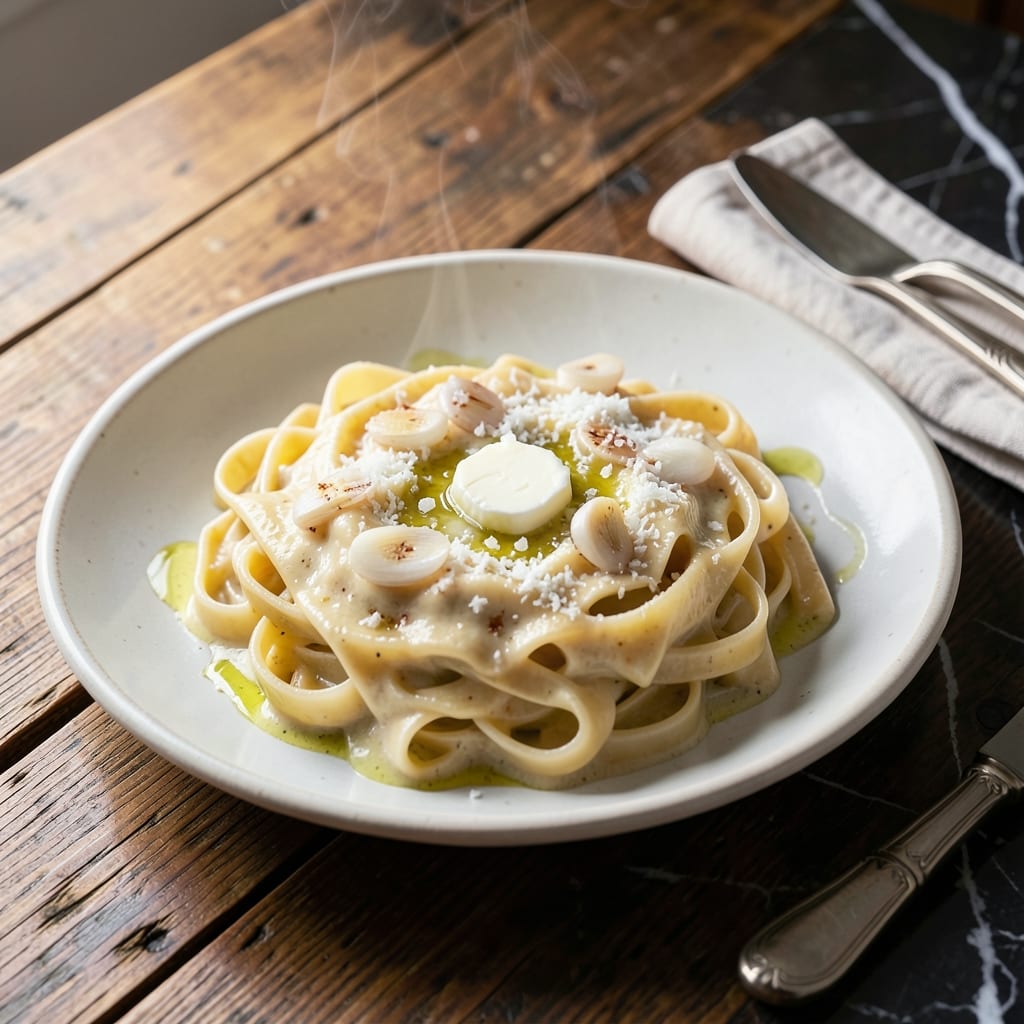
This fettuccine alfredo delivers the silky, restaurant-quality sauce you expect from Williams Sonoma, with layers of Parmesan depth. The secret lies in a slow, gentle reduction that transforms simple cream and cheese into a velvety coating for the pasta.
I’ve refined this method to ensure the sauce clings perfectly to each strand of fettuccine, avoiding the heavy, greasy texture that plagues many home versions. Freshly grated Parmesan melts seamlessly into the warm cream, creating a sauce that’s rich yet balanced.
What sets this dish apart is its simplicity—no flour, no egg yolks, just pure, creamy indulgence. The key is patience, allowing the sauce to thicken naturally without curdling.
Serve immediately, as the sauce is best enjoyed fresh. Here’s how to achieve it.
Ingredients for Williams Sonoma Fettuccine Alfredo
Fresh pasta and premium dairy create that signature Williams Sonoma creaminess everyone loves.
| Ingredient | Amount | Notes |
|---|---|---|
| Fettuccine Pasta 🍝 | 12 oz | Fresh or dried, cooked al dente |
| Heavy Cream 🥛 | 2 cups | Full-fat for richness, cold |
| Parmesan Cheese 🧀 | 1 ½ cups | Freshly grated from block, aged |
| Unsalted Butter 🧈 | ½ cup | European-style preferred |
| Garlic Cloves 🧄 | 4 cloves | Minced or pressed |
| Kosher Salt 🧂 | 1 ½ tsp | Diamond Crystal brand preferred |
| Freshly Ground Black Pepper 🌶️ | ¾ tsp | Coarse grind for texture |
| Fresh Nutmeg 🌰 | ¼ tsp | Grated on microplane |
| Pasta Water 💧 | ½ cup | Reserved from cooking pasta |
| Extra-Virgin Olive Oil 🫒 | 1 tbsp | For finishing, high quality |
[recipe_ingredient_scaler]
The Parmesan is non-negotiable here. Parmigiano-Reggiano aged 24 months from Whole Foods or a specialty cheese shop delivers the depth this sauce demands. Avoid pre-grated—it contains anti-caking agents that prevent proper melting. The cream should be organic heavy cream (36-40% fat) for stability during reduction. For butter, Plugrá European-style offers superior richness and lower water content.
No heavy cream? Half-and-half plus a splash of cream cheese can work in a pinch, but the sauce won’t be as velvety. Fresh pasta cooks faster than dried—adjust timing accordingly. If you must use dried, De Cecco or Barilla hold up well. Skip the pre-minced garlic in jars; fresh cloves only for that clean, sharp flavor. The nutmeg might seem minor, but it adds a subtle warmth that rounds out the sauce beautifully.
The sauce thickens as it cools, so serve immediately. Leftovers keep for 2-3 days in the fridge but will separate—reheat gently with a splash of cream. The Parmesan wedge should be wrapped in parchment paper, then foil, and stored in the cheese drawer for up to 1 month.
Why You’ll Love This Recipe
- 20-Minute Meal: I can get this Williams Sonoma fettuccine alfredo on the table faster than delivery arrives—just boil pasta while the cream, butter, and parmesan melt together.
- Garlic Butter Magic: That first bite with the garlic-infused cream sauce clinging to each strand? Honestly, it’s what pasta dreams are made of.
- Crowd-Pleasing Classic: I’ve served this at dinner parties and weeknight family meals—everyone from picky kids to foodie friends goes back for seconds.
- Leftovers? Even Better: Between us, I sometimes make extra because the flavors deepen overnight and reheat beautifully with a splash of cream.
Step-by-Step Instructions for Fettuccine Alfredo
Master the technique for a velvety sauce that clings perfectly to each strand of pasta.
Step 1: Cook Pasta and Prepare Aromatics
Bring a large pot of salted water to a rolling boil. Add the 12 oz Fettuccine Pasta and cook until 1 minute shy of al dente according to package instructions. Reserve ½ cup of the starchy Pasta Water before draining—this is essential for emulsifying your sauce.
While the pasta cooks, mince the 4 cloves Garlic Cloves and measure your 1.5 cups Parmesan Cheese, ensuring it’s freshly grated. The finer the grate, the smoother your sauce will be. This prep ensures everything comes together quickly once the pasta is ready.
Step 2: Create the Cream Base
In a large, heavy-bottomed skillet, melt the ½ cup Unsalted Butter over medium heat. Add the minced garlic and sauté for 30-45 seconds until just fragrant—don’t let it brown. Immediately pour in the 2 cups Heavy Cream and stir to combine.
Bring the mixture to a gentle simmer, then reduce heat to medium-low. This slow reduction concentrates the flavors without risking curdling. You’re building the foundation for a rich, creamy sauce that will coat the pasta beautifully.
Step 3: Emulsify with Cheese and Pasta Water
Gradually whisk in the 1.5 cups Parmesan Cheese, allowing it to melt completely between additions. This prevents clumping and ensures a smooth texture. Stir in the 1.5 tsp Kosher Salt, ¾ tsp Freshly Ground Black Pepper, and ¼ tsp Fresh Nutmeg for depth.
Add the drained pasta to the skillet and toss to coat. Pour in ½ cup Pasta Water, a little at a time, while tossing vigorously. The starch in the water will help the sauce cling to the noodles, creating that signature silky finish.
Step 4: Finish and Serve Immediately
Continue tossing the pasta in the sauce for 1-2 minutes until it reaches your desired consistency. The sauce should coat the back of a spoon but still flow easily. If it thickens too much, add another splash of pasta water to loosen it.
Drizzle with the 1 tbsp Extra-Virgin Olive Oil for a glossy finish and serve immediately. The residual heat will continue to meld the flavors, so work quickly to plate. Each serving should glisten with a creamy, well-balanced sauce that highlights the nutty Parmesan.
Pro Tips For Making Williams Sonoma Fettuccine Alfredo
- Grate Fresh Parmesan: Pre-shredded parmesan has anti-caking agents that make the sauce grainy. I learned this the hard way—always grate your own, about 1 ½ cups for this recipe.
- Reserve Pasta Water: Before draining, scoop out ½ cup of the starchy cooking water. It’s the thing that matters most for adjusting the sauce consistency later.
- Low and Slow Heat: After burning two batches, I finally figured out that heavy cream scorches easily. Keep the heat at medium-low when simmering the sauce.
- Salt the Pasta: Use more salt than you think in the boiling water, about 1 tablespoon per gallon. Sounds weird, but it works—this is your only chance to season the pasta itself.
Troubleshooting This Recipe
Sauce Too Thin
If your sauce seems watery, continue simmering over medium-low heat for 2-3 minutes while stirring constantly. The cream will reduce and thicken as moisture evaporates. Avoid boiling, which can cause curdling. I often find the perfect consistency just before the first bubble breaks. 💡
Sauce Too Thick
Add reserved pasta water, 1 tablespoon at a time, while tossing the pasta vigorously. The starchy water helps re-emulsify the sauce without diluting flavor. Continue until the sauce flows smoothly over the noodles.
Sauce Breaking or Curdling
If you see separation or graininess, immediately remove from heat and whisk in 1-2 tablespoons of cold heavy cream. This can often save a breaking sauce. Next time, reduce heat to low and add cheese more slowly.
Cheese Not Melting
Pre-grated cheese often contains anti-caking agents that prevent smooth melting. Always use freshly grated Parmigiano-Reggiano. If clumping occurs, switch to a whisk and keep the heat low until fully incorporated.
Garlic Overcooking
Burnt garlic adds bitterness to this delicate sauce. Sauté the 4 cloves just until fragrant—about 30-45 seconds—then add the cream immediately. Pull the pan off heat if needed to prevent browning.
Pasta Sticking Together
If your 12 oz fettuccine clumps, it likely overcooked. Drain 1 minute early and finish in the sauce. Tossing in the skillet with a bit of reserved water helps separate strands while absorbing flavor. ✨
Nutrition Facts
Frequently Asked Questions
Can I use half-and-half instead of heavy cream?
It can work in a pinch, but the sauce won’t be as rich or stable. The 36-40% fat in heavy cream creates that signature velvety texture. For best results, stick with full-fat cream.
Why does my sauce get grainy?
This usually happens with pre-grated cheese or high heat. Always use freshly grated Parmigiano-Reggiano and keep the temperature at medium-low to prevent curdling.
How do I store leftovers?
Keep in an airtight container in the fridge for 2-3 days. Reheat gently with a splash of cream, as the sauce will separate when chilled.

Trained in classic French technique but raised on slow-cooked ribs and spicy rubs, she blends culinary skill with smoke and soul.
- Recipe for Boneless Pork Chops in Cast Iron Skillet: Sear and Baste to Juicy Perfection - October 3, 2026
- Recipe for Boneless Cross Rib Roast: Slow-Roasted Beef with Herb Crust - October 3, 2026
- Hamburgers in Sauce Recipe Crock Pot: Slow-Cooked Savory Delight - October 3, 2026