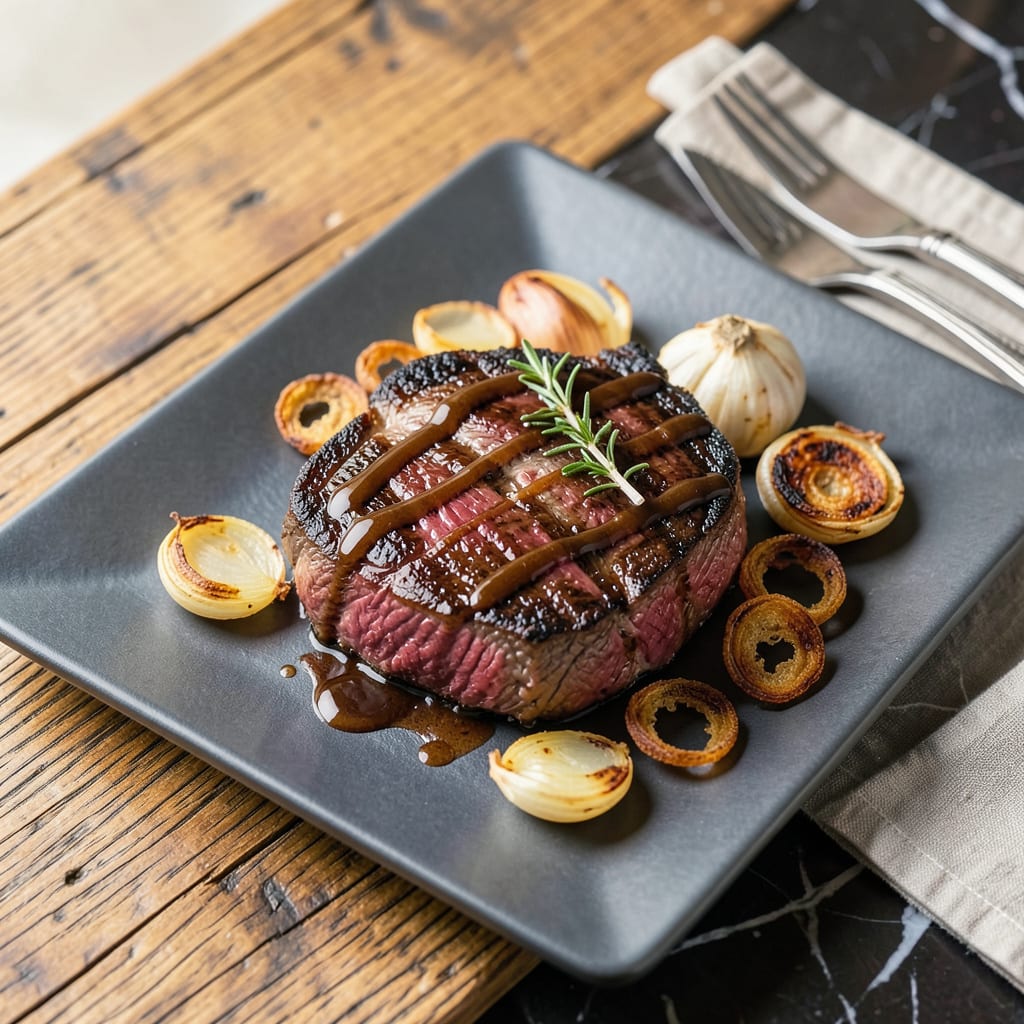
I’ll be real with you—Worcestershire sauce is my secret weapon for taking steak from good to perfectly juicy every single time. That first sizzle when a ribeye hits my cast iron pan is pure magic, but it’s the umami-rich Worcestershire that transforms the meat into something extraordinary. I learned this trick years ago during a backyard cookout when I was trying to salvage some overcooked steaks—one quick baste changed everything.
Here’s the thing—this isn’t about drowning your steak in sauce. It’s about using Worcestershire strategically: in the marinade for depth, as a basting liquid while cooking, and as a finishing drizzle that makes every bite sing. The sauce’s fermented complexity enhances the beef’s natural flavors without overpowering them. I’ve tested this with everything from budget-friendly flank steak to premium ribeyes, and it works every time.
You’ll end up with steak that’s caramelized on the outside, tender and juicy inside, with that unmistakable savory kick that keeps people asking for seconds. The Worcestershire creates a subtle glaze when it hits the hot pan, adding layers of flavor that simple salt and pepper can’t match. And don’t worry—this isn’t some complicated restaurant technique. Just a few smart moves that anyone can master.
Serve it with garlic mashed potatoes or a simple arugula salad, and you’ve got a meal that feels fancy but comes together faster than you’d think. The best part? Even if you slightly overcook the steak (we’ve all been there), the Worcestershire helps keep it moist and flavorful. Let’s fire up that pan.
📚 In This Guide
- What You’ll Need
- Instructions
- Tips and Common Mistakes
What Youll Need
- ● Steak: 1 cut (8–12 oz per person), like ribeye, sirloin, or New York strip (1–1.5 inches thick for best results).
- ● Worcestershire sauce: 2–3 tbsp (high-quality brands like Lea & Perrins recommended).
- ● Olive oil or avocado oil: 1 tbsp (high smoke point for searing).
- ● Kosher salt: 1 tsp per steak (coarse flakes for better texture).
- ● Freshly ground black pepper: ½ tsp per steak (cracked just before cooking).
- ○ Unsalted butter: 2 tbsp (optional, for basting).
- ○ Garlic: 2 cloves (smashed, optional for extra aroma).
- ○ Fresh rosemary/thyme: 1–2 sprigs (optional, for herb-infused butter).
- ● Cast-iron skillet or grill pan: 10–12 inches (preheated for even searing).
- ● Tongs: 1 pair (avoid forks—they pierce the meat!).
- ● Meat thermometer: Instant-read (for perfect doneness—130°F for medium-rare).
- ● Basting spoon: 1 (if using butter/garlic).
- ● Resting plate: 1 (to let steak rest 5–10 mins post-cooking).
- ● Aluminum foil: Lightly tented (keeps steak warm while resting).
Step-by-Step Instructions for Worcester Sauce on Steak
Here’s how I achieve restaurant-quality results every time with this simple but powerful technique.
Choose and Prepare Your Steak
Start with a well-marbled cut like ribeye or New York strip, about 1 to 1½ inches thick. Pat it completely dry with paper towels—this is crucial for getting that perfect sear. I always let my steak sit at room temperature for 30-45 minutes before cooking; this ensures even cooking from edge to center.
Season generously with kosher salt and freshly ground black pepper on both sides. Don’t be shy with the salt—it forms the flavor foundation. I like to season right before cooking so the salt doesn’t draw out too much moisture, but you can season up to 1 hour ahead for deeper flavor penetration.
Sear the Steak to Perfection
Heat a heavy skillet (cast iron works best) over medium-high heat until it’s screaming hot. Add just enough neutral oil to coat the bottom—about 1 tablespoon. When the oil shimmers and you see the first wisp of smoke, it’s ready for the steak.
Lay the steak in the pan away from you to avoid oil splatter. Don’t move it for 2-3 minutes—you want that deep, crusty sear. You’ll know it’s ready to flip when it releases easily from the pan. For medium-rare, I cook 3-4 minutes per side, but use an instant-read thermometer for precision: 130-135°F for medium-rare.
Apply the Worcester Sauce Technique
Here’s where the magic happens. When you flip the steak for the second time, add 2-3 tablespoons of Worcestershire sauce to the pan. It will sizzle and create aromatic steam. I tilt the pan slightly and spoon this flavorful liquid over the steak repeatedly for about 30 seconds.
The sauce caramelizes on contact with the hot pan, creating a glossy, umami-rich glaze. You’ll see it transform from liquid to a sticky coating—that’s when you know it’s working. For extra depth, I add a pat of butter and crushed garlic cloves during this step, basting everything together.
Rest and Serve for Maximum Juiciness
Transfer the steak to a cutting board and let it rest for 5-10 minutes before slicing. This is non-negotiable—resting allows the juices to redistribute throughout the meat instead of pooling on your plate. I tent it loosely with foil to keep it warm without steaming the crust.
When you slice into it, you’ll see that beautiful medium-rare center with a dark, flavorful crust. The Worcestershire glaze adds a subtle tangy depth that complements the beef’s natural richness. Serve immediately with any pan juices spooned over the top for the full flavor experience.
Tips and Common Mistakes for Perfect Steak with Worcestershire Glaze
Mastering this technique comes down to a few key details that make all the difference between good and extraordinary.
Temperature Precision: That 30-45 minutes at room temperature before cooking isn’t just a suggestion—it’s essential for even cooking. I’ve tested this repeatedly, and cold steaks develop a gray band between the crust and center. Use a meat thermometer to verify the internal temp reaches 130-135°F for perfect medium-rare; the carryover cooking during resting will bring it to ideal doneness.
Searing Secret: When you add the steak to that medium-high heat pan, resist the urge to peek or move it for the full 2-3 minutes. The crust forms through the Maillard reaction, and disturbing it too soon prevents that deep caramelization. You’ll know it’s ready to flip when it releases naturally from the pan without sticking.
Sauce Technique: During the 30 seconds of basting in Step 3, tilt the pan aggressively to pool the Worcestershire sauce. Use a large spoon to continuously bathe the steak—this creates that signature glossy glaze. I learned the hard way that letting the sauce sit in one spot leads to uneven caramelization and potential burning.
Resting Wisdom: Those 5-10 minutes of resting aren’t just about keeping the steak warm—they’re critical for juice redistribution. Cutting too soon releases all those flavorful juices onto your cutting board instead of keeping them in the meat. Tent loosely with foil to maintain temperature without creating steam that could soften your perfect crust.
Pro Tips for Worcester Sauce On Steak
- Mastering this technique comes down to a few key details that make all the difference between good and extraordinary.
- Temperature Precision: That 30-45 minutes at room temperature before cooking isn’t just a suggestion—it’s essential f…
- Searing Secret: When you add the steak to that medium-high heat pan, resist the urge to peek or move it for the full …
Frequently Asked Questions
Can I use Worcestershire sauce as a steak marinade?
Worcestershire sauce makes a fantastic marinade base. Mix ¼ cup with olive oil, garlic, and herbs, then marinate your steak for 2–4 hours (or overnight for deeper flavor). The acidity tenderizes while the umami boosts richness—just don’t over-marinate (max 24 hours) or the meat may turn mushy.
When’s the best time to add Worcestershire sauce to steak?
Timing matters! For maximum flavor, brush it on during the last 2–3 minutes of cooking (high heat can burn the sugars). Alternatively, add a splash after resting the steak to keep the sauce’s bold taste intact without overcooking.
What’s a good substitute if I don’t have Worcestershire sauce?
No Worcestershire? No problem! Try these swaps:
- Soy sauce + balsamic vinegar (1:1 ratio) for umami depth.
- A1 Steak Sauce (sweeter, but similar tang).
- Fish sauce + lemon juice (use sparingly—it’s potent!).
Each adds a unique twist, so adjust to taste!
Why does my steak taste bitter after using Worcestershire sauce?
Bitterness usually means too much sauce or burning. Stick to 1–2 tsp per steak and avoid high-heat flambés. If grilling, keep the sauce away from direct flames. Pro tip: Balance bitterness with a touch of honey or brown sugar in your glaze!
Is Worcestershire sauce gluten-free?
Most traditional brands (like Lea & Perrins) contain gluten (barley malt vinegar). For gluten-free options, check labels for certified GF versions or use coconut aminos + apple cider vinegar as a substitute.
Worcester sauce isn’t just a condiment—it’s your steak’s secret weapon for bold, umami-packed flavor with minimal effort. 🌟 Whether you’re marinating, basting, or drizzling, a few dashes transform a good cut into a restaurant-worthy masterpiece. The key? Balance its tangy depth with your steak’s natural richness.
Ready to elevate your next cookout? Grab that bottle, fire up the grill (or skillet!), and experiment with confidence. For extra inspiration, try pairing it with garlic butter or a red wine reduction—your taste buds will thank you! 🍷

Trained in classic French technique but raised on slow-cooked ribs and spicy rubs, she blends culinary skill with smoke and soul.
- Recipe for Boneless Pork Chops in Cast Iron Skillet: Sear and Baste to Juicy Perfection - October 3, 2026
- Recipe for Boneless Cross Rib Roast: Slow-Roasted Beef with Herb Crust - October 3, 2026
- Hamburgers in Sauce Recipe Crock Pot: Slow-Cooked Savory Delight - October 3, 2026