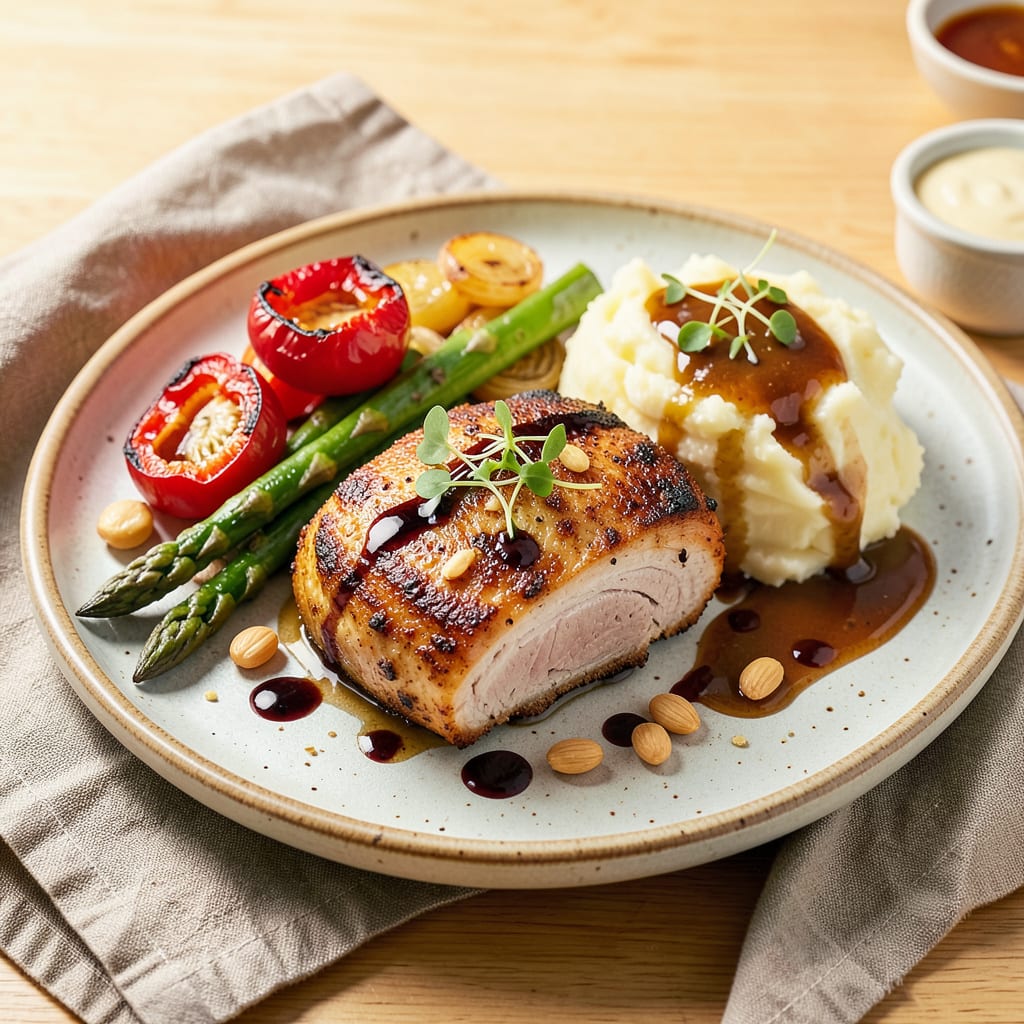
Transform weeknight dinners with quick yet flavorful dishes like Honey Garlic Chicken Wings: Sweet and Sticky Perfection”>honey garlic chicken, creamy garlic parmesan pasta, or sheet-pan fajitas. Focus on bold seasonings, fresh ingredients, and simple techniques for maximum taste with minimal effort.
I’ve found that the secret to memorable meals lies in strategic flavor layering—starting with a solid base like caramelized onions or toasted garlic, then building up with complementary elements. 🌟 For example, a splash of fish sauce in your marinade adds umami depth without overpowering, while a finishing squeeze of lime brightens everything up. The beauty is that these techniques work across cuisines, whether you’re stir-frying, roasting, or simmering.
What excites me most about these approaches is how they turn everyday ingredients into restaurant-worthy plates. A simple chicken breast becomes extraordinary with a quick sear and pan sauce made from the fond, while frozen veggies transform when roasted at high heat with olive oil and smoked paprika. The key is working with what you have while maximizing flavor at every step.
💡 In This Article
- Flavor-Boosting Techniques for Irresistible Dishes
- 30-Minute Yummy Recipes for Busy Cooks
Flavor-Boosting Techniques for Irresistible Dishes
The magic starts with the Maillard reaction—that beautiful browning process that happens when proteins and sugars react at temperatures above 285°F. This creates hundreds of new flavor compounds that give seared meats their deep, complex taste.
🔥 I always pat my proteins dry before cooking to ensure maximum contact with the hot surface, whether it’s a cast iron skillet or grill grates. The difference between a pale chicken breast and one with golden crust is night and day in flavor impact.
Umami ingredients act like flavor amplifiers in your cooking. A teaspoon of fish sauce in your marinade adds depth without fishiness, while a tablespoon of soy sauce brings savory richness to stir-fries. Mushrooms—especially dried shiitakes—contain natural glutamates that make everything taste more satisfying.
I keep a jar of mushroom powder in my pantry to sprinkle into sauces and rubs. The science shows these compounds bind to our taste receptors differently than salt, creating a fuller mouthfeel with less sodium.
Layering flavors means thinking about when ingredients hit the pan. Garlic and ginger go in early to mellow and sweeten, while fresh herbs like basil or cilantro get added at the very end to preserve their bright notes.
A splash of acid—whether it’s rice vinegar, lemon juice, or even a pinch of citric acid—cuts through richness and makes all the other flavors pop. I learned this trick from French cuisine, where a final beurre monte (emulsified butter) adds both richness and shine to sauces.
Quick marinades don’t need hours to work their magic. The combination of salt, acid, and oil can transform proteins in as little as 15 minutes. Salt helps break down muscle fibers, acid tenderizes, and oil carries fat-soluble flavors deep into the meat.
My go-to ratio is 3 parts oil to 1 part acid (like lime juice) with aromatics. For chicken thighs, I’ll use yogurt as the base—its lactic acid tenderizes while the fat keeps the meat juicy during high-heat cooking.
Don’t underestimate the power of texture contrast. Crispy shallots on creamy mashed potatoes, toasted nuts in a fresh salad, or a quick pan-fry to finish braised meats—these elements make each bite more exciting.
I keep a small bowl of flaky sea salt near the stove for finishing dishes, as its crunch and mineral complexity elevate even simple preparations. The difference between table salt and Maldon flakes isn’t just texture; it’s about how the crystals dissolve on your tongue, releasing flavor in waves.
Temperature control makes or breaks flavor development. A screaming hot pan ensures proper searing, while gentle simmering allows flavors to meld without breaking emulsions. I use the “hand test” for pan heat—if I can hold my hand 2 inches above the pan for 2 seconds before it feels uncomfortably hot, it’s ready for searing.
For sauces, maintaining a gentle bubble at 180-200°F prevents curdling while concentrating flavors through reduction.
Here’s what most home cooks miss: resting meat after cooking isn’t just about juiciness—it’s about flavor redistribution. Those delicious juices need time to reabsorb into the muscle fibers. 💫 I tent my roasts with foil and let them rest for at least 10 minutes (or up to 30 minutes for large cuts).
This step is non-negotiable for maximum flavor in every bite, whether it’s a quick weeknight steak or a Sunday roast.

Trained in classic French technique but raised on slow-cooked ribs and spicy rubs, she blends culinary skill with smoke and soul.
- Recipe for Boneless Pork Chops in Cast Iron Skillet: Sear and Baste to Juicy Perfection - October 3, 2026
- Recipe for Boneless Cross Rib Roast: Slow-Roasted Beef with Herb Crust - October 3, 2026
- Hamburgers in Sauce Recipe Crock Pot: Slow-Cooked Savory Delight - October 3, 2026