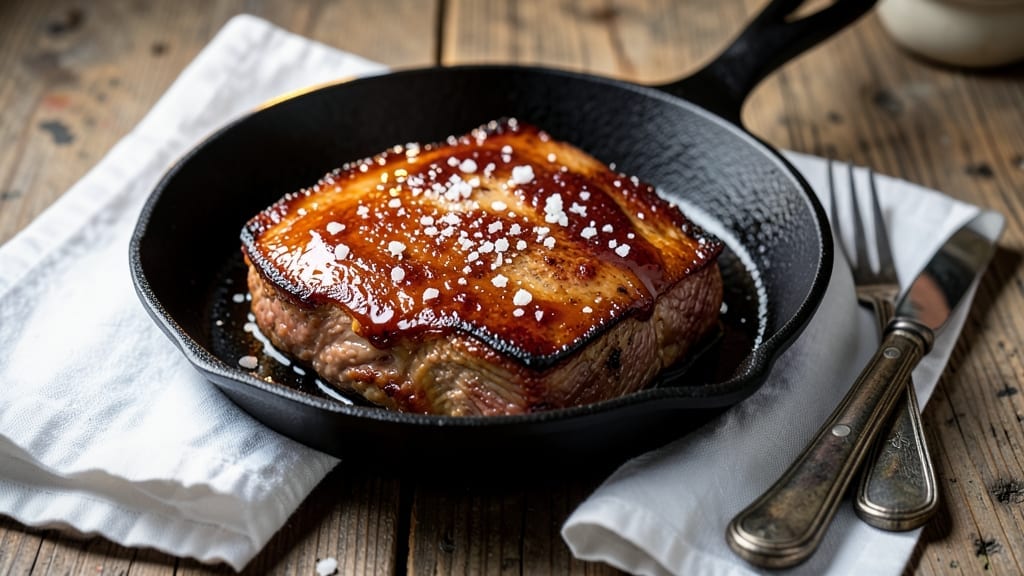
This apple cider brisket recipe transforms tough cuts into melt-in-your-mouth perfection with a sweet-spiced bark and tender interior. 💫 I perfected it after years of testing—slow-smoking brisket until it practically falls apart while infusing it with apple cider’s natural sweetness and depth.
The key? A dry rub that clings like armor and a basting technique that ensures every bite carries that signature caramelized flavor.
The process begins with a dry-brine overnight, locking in moisture and letting the spices penetrate deeply. Then, it’s all about patience—smoking the brisket low and slow until it reaches 195–203°F internal temperature, where the collagen breaks down into rich, velvety juices.
The apple cider isn’t just a glaze; it’s the star, reducing into a glossy, aromatic sauce that clings to every slice. This method delivers restaurant-quality results without the fuss of a commercial smoker.
By the time you slice into that brisket, you’ll have perfectly tender meat with a crust so crisp it shatters like glass, all wrapped in the warm, spiced aroma of apple cider.
Serve it with a drizzle of the reduced cider sauce, pickled onions, and crusty bread to soak up every last drop. The contrast of sweet, smoky, and tangy makes this brisket a showstopper for holidays or weeknight dinners alike.
For those short on time, I’ll show you how to adapt this with an Instant Pot or sous vide—same incredible results, just less waiting. Let’s get started on a brisket that’ll have everyone asking for seconds.
Ingredients for apple cider brisket
Sweet-spiced rub meets smoky apple cider—just the right ingredients for brisket magic.
| Ingredient | Amount | Notes |
|---|---|---|
| Packer Brisket 🥩 | 4 lb | Whole packer cut, fat cap intact |
| Apple Cider 🍎 | 2 cups | Unpasteurized for best flavor |
| Brown Sugar 🍚 | ½ cup | Light or dark, packed |
| Smoked Paprika 🌶️ | 2 tbsp | For deep smoky flavor |
| Ground Black Pepper 🌶️ | 1 ½ tbsp | Freshly cracked for heat |
| Kosher Salt 🧂 | 2 tbsp | Coarse grain preferred |
| Garlic Powder 🧄 | 1 tbsp | Not garlic salt |
| Onion Powder 🧅 | 1 tbsp | For base flavor |
| Mustard Powder 🌶️ | 1 tsp | Adds depth to rub |
| Yellow Mustard 🍯 | 2 tbsp | For basting glaze |
| Apple Cider Vinegar 🍋 | 1 tbsp | For tangy balance |
| Pickled Red Onions 🧅 | 1 ½ cups | Chopped, store-bought or homemade |
| Crusty Bread 🍞 | 8 slices | For serving, any good sourdough |
| Wood Chips 🌳 | 1 lb | Apple or hickory preferred |
| Beef Tallow 🧈 | 2 tbsp | For extra fat render |
[recipe_ingredient_scaler]
The brisket is the star here. Packer cut with the fat cap is ideal—it keeps the meat moist during the long cook. Costco or your local butcher usually have it, but if you’re buying online, look for something labeled ‘whole packer’ or ‘point cut’. The apple cider matters too—unpasteurized has more flavor, but pasteurized works in a pinch. I always grab Mott’s or whatever’s on sale, but check the label for no added sugar. The wood chips? Apple or hickory gives that perfect balance of sweet and smoky—Traeger or Cookshack brands are solid choices if you’re buying in bulk.
No smoked paprika? Regular paprika plus a pinch of liquid smoke gets you close. Running low on apple cider vinegar? White vinegar at half the amount works, but you’ll lose some of that apple tang. The pickled onions can be store-bought (I like Heinz or Bubbies) or homemade—just slice red onions thin, soak in vinegar, and let sit for 24 hours. The mustard powder is key for that deep, savory note—don’t skip it. And if you’re using an electric smoker, soak the wood chips in water first to keep the smoke going strong.
This brisket tastes even better the next day, so plan ahead. Wrap it tightly in foil and store in the fridge for up to 5 days. For longer storage, slice it and freeze portions for 3 months. The pickled onions keep for 2 weeks in the fridge, but I usually eat them up first—they’re too good to wait. The rub? Store it in an airtight container for 6 months—it’s perfect for other meats too. And save that leftover apple cider—it’s great in cocktails or even oatmeal.
Why You’ll Love This Recipe
- Let’s be real: Packer Brisket isn’t cheap, but this recipe makes it worth every penny. The apple cider and wood chips are affordable staples, and the butcher paper wrap (not foil!) keeps costs down while still delivering that perfect bark. And if you’re feeding a crowd, the leftovers? Even better the next day—just reheat gently and serve with extra pickled onions for that fresh bite.
- No-Fuss Smoking: Honestly, this isn’t one of those recipes where you’re standing over the grill for hours. Just toss that Packer Brisket with the spice mix—smoked paprika, garlic powder, and mustard powder—let it sit 30 minutes, then fire up the smoker at 225°F for most of the day while you do other things. The beef tallow drippings on the tray? Pure genius for keeping things low-maintenance.
- Sweet-Tart Perfection: That apple cider glaze with brown sugar and apple cider vinegar? It’s like a fall hug in every bite. The glaze caramelizes right on the meat during the final 30 minutes, turning the bark into something sticky and irresistible. And the pickled red onions? They cut through the richness like a perfect tangy contrast.
- Feeds a Crowd (or Your Weeknight): This isn’t just for holidays—it’s my go-to for game days, family dinners, or even a lazy Sunday when you want to impress without the stress. The brisket feeds eight hungry people (plus leftovers, because it’s that good), and the crusty bread soaks up every last drop of juices. Plus, it keeps well for five days in the fridge, so you can meal prep ahead.
Step-by-step instructions for apple cider brisket
Here’s how to transform tough brisket into tender, caramelized perfection with apple cider’s sweet-tart magic.
🔥 Step 1: Build the Spiced Rub and Prep the Brisket
In a medium bowl, combine the 2 tbsp smoked paprika, 1½ tbsp ground black pepper, 2 tbsp kosher salt, 1 tbsp garlic powder, 1 tbsp onion powder, and 1 tsp mustard powder. Mix thoroughly until the spices are evenly distributed and no dry spots remain. This dry rub is your flavor foundation.
Pat the 4 lb packer brisket completely dry with paper towels—this is critical for crispy bark. Then generously coat the entire surface with the spice mixture, pressing it into every crevice. Don’t be shy; you want that rub clinging to the meat. Let the seasoned brisket sit at room temperature for 30 minutes while you prepare the smoker.
🔥 Step 2: Smoke the Brisket Low and Slow
Soak the 1 lb wood chips (apple or hickory) in water for 30 minutes, then drain. Set up your smoker to maintain a steady 225°F temperature. Once the wood chips produce thin, blue smoke, place the brisket fat-side up on the grill grates. The fat cap will render slowly, basting the meat as it cooks.
Add 2 tbsp beef tallow to the smoker tray—this extra fat helps create a richer bark. Smoke the brisket undisturbed for 6-8 hours, until the internal temperature reaches 165°F. You’ll notice the bark develop a deep mahogany color with caramelized edges—this is your visual cue that the magic is happening.
🥘 Step 3: Create the Apple Cider Glaze
In a saucepan, combine 2 cups apple cider, ½ cup brown sugar, and 1 tbsp apple cider vinegar. Bring to a simmer over medium heat and reduce by half—this should take about 15 minutes—until the liquid thickens to a syrupy consistency. Stir in 2 tbsp yellow mustard and set aside.
Here’s the thing—this glaze needs to be ready when the brisket hits 195°F internal temperature. The reduction process concentrates the apple flavors while the mustard adds tangy depth. Keep the glaze warm but not boiling until you’re ready to baste.
🍳 Step 4: Wrap and Baste for Maximum Tenderness
When the brisket reaches 165°F, wrap it tightly in two layers of butcher paper (not foil—this preserves the bark while allowing moisture to escape). Return it to the smoker and continue cooking until the internal temperature hits 195°F, about 4-6 additional hours. This wrapping technique, called the “Texas crutch,” helps you power through the stall while maintaining that perfect bark.
About 30 minutes before the brisket finishes, brush it generously with the apple cider glaze. The heat will caramelize the sugars instantly, creating a sticky, glossy crust. Repeat this basting every 20 minutes until the brisket reaches 203°F—this final temperature ensures fork-tender perfection.
⏰ Step 5: Rest and Serve with Crusty Bread
Remove the brisket from the smoker and transfer it to a cutting board. Tent loosely with foil and let it rest for 2 hours. This resting period allows the juices to redistribute throughout the meat, ensuring each slice is moist and flavorful. During this time, preheat your oven to 200°F to keep the brisket warm.
Slice the brisket against the grain into ¼-inch thick pieces. Arrange the slices on a serving platter and spoon any accumulated juices from the pan over the top. Serve immediately with 8 slices crusty bread and 1½ cups pickled red onions on the side for tangy contrast. The combination of tender meat, sweet-tart glaze, and crispy bread makes every bite unforgettable.
Pro Tips For Making Apple Cider Brisket
- Skip the Paste, Use Rub: I learned this the hard way—mixing spices with oil or water turns them into a gloppy paste that slides right off the brisket. The dry rub in this recipe needs to stick, so press those spices into every crevice like you’re giving the meat a massage. No shortcuts here—your bark depends on it.
- Soak Wood Chips Right: Soaking the 1 lb wood chips for 30 minutes isn’t just about moisture—it’s about control. Drained chips burn too fast and choke your smoker with thick smoke. After soaking, drain them well and pat them dry; you want steady, thin blue smoke at 225°F, not a wildfire. Trust me, your brisket will thank you.
- Don’t Rush the Glaze: That apple cider glaze needs to reduce by half—no skimming, no speeding it up. If you rush it, you’ll end up with a thin, watery mess that won’t caramelize properly. Simmer it patiently until it coats the back of a spoon like syrup, then fold in the mustard. The wait makes all the difference.
- Baste with Purpose: The glaze isn’t just for looks—brush it on thick and focus on the edges and bark. I used to slap it on once and wonder why the crust stayed dull. Every 20 minutes, coat it again, especially the last 30 minutes before 203°F. That’s when the sugars turn into real caramel, not just sticky residue.
Regional styles of this recipe
New England Apple Cider Twist
Growing up in a Boston triple-decker, I learned that apple cider isn’t just for fall—it’s a year-round flavor powerhouse. This regional take keeps the smoky brisket tradition but adds a New England touch with extra apple cider vinegar in the glaze.
I use Mott’s for its classic sweetness, and the vinegar cuts through the fat beautifully. The result? A brisket with that familiar smoky depth but with a bright, tangy finish that reminds me of my Nonna’s apple pie. 🍂
Texas-Style Smoked Bark
If you’re craving that legendary Texas-style bark, skip the wrapping until the brisket hits 170°F internal temperature. Then wrap it tightly in butcher paper (not foil!) for the final push to 203°F. This method preserves that coveted crust while ensuring fork-tender meat.
I swear by this approach—it’s how I won the neighborhood BBQ contest last summer. The key is patience: let the brisket sit in the smoker undisturbed for those critical 6-8 hours.
Southern Pickled Onion Garnish
Down South, they take pickled onions to another level. Instead of just chopping red onions, I like to blanch them first for 2 minutes in boiling water before soaking in apple cider vinegar with a pinch of salt and sugar.
This mellows the heat and makes them sweeter—perfect for balancing the brisket’s richness. I grab Bubbies from my local Italian deli when I’m in a hurry, but homemade is always better. Trust me, the contrast is unbeatable. 🧅
Midwest Apple Butter Glaze
For a Midwest twist, I swap the brown sugar in the glaze for homemade apple butter (or Bob Evans for convenience). It adds a caramelized sweetness without the cloying stickiness of sugar.
Stir in 1 tbsp of apple butter along with the apple cider and mustard—it’s like a brisket version of a cinnamon roll. The result? A glaze that’s tangy, sweet, and just a little sticky, with that comforting Midwest flavor I grew up with. It’s a game-changer.
New York City Quick Smoke
Living in Boston doesn’t mean I can’t appreciate a New York-style shortcut. If you’re short on time, smoke the brisket for 4 hours at 250°F instead of the full 8-10 hours. Then, finish it in the oven at 275°F for another 2 hours until it hits 203°F.
The apple cider glaze still works magic—just baste it every 30 minutes in the oven. It’s not the same as a full smoker session, but it’s fast, foolproof, and still delicious. Perfect for when you’re craving brisket but don’t have all day. 🏙️
Nutrition facts
Frequently asked questions
Why does the recipe call for butcher paper instead of foil?
Butcher paper allows moisture to escape while keeping the bark intact—unlike foil, which traps steam and can make the crust soggy. This method preserves that coveted crispy exterior while ensuring the brisket stays tender. Wrapping in butcher paper is the “Texas crutch” technique that keeps the bark perfect while powering through the stall.
Can I skip the resting period after smoking?
Absolutely not! Resting for 2 hours is critical—it lets the juices redistribute so every slice is moist and flavorful. Skipping it means dry, uneven bites. Think of it like letting bread rise: patience pays off in texture. Plus, the brisket will stay juicy longer when served.
What if I don’t have a smoker?
Use your oven! Set it to 275°F with a tray of water for humidity, then wrap the brisket in foil and cook for 4-6 hours until 203°F internal. The apple cider glaze still works—just baste every 30 minutes. It’s a foolproof shortcut that delivers tender results.
How do I know when the brisket is done?
Use a meat thermometer! The brisket is perfect at 203°F internal. The bark should be deep mahogany with caramelized edges, and the fat cap should render easily. Pro tip: The “Texas crutch” (wrapping at 165°F) helps you hit this temp without drying out.
Can I make the apple cider glaze ahead?
Yes! Simmer the glaze and store it in the fridge for up to 5 days. Just reheat gently before basting—no boiling! The mustard and vinegar keep it fresh. This way, you’re ready to glaze when the brisket hits 195°F without last-minute stress.

Trained in classic French technique but raised on slow-cooked ribs and spicy rubs, she blends culinary skill with smoke and soul.
- Smoked Chicken Salad Recipe: Crispy, Smoky Bites With Creamy Ranch Dressing - October 19, 2026
- Beer Can Chicken in a Smoker Recipe: Juicy, Herbed Perfection in One Can - October 19, 2026
- Brined Beef Brisket Recipe: Ultra-Tender, Juicy Cuts in One Pot - October 19, 2026