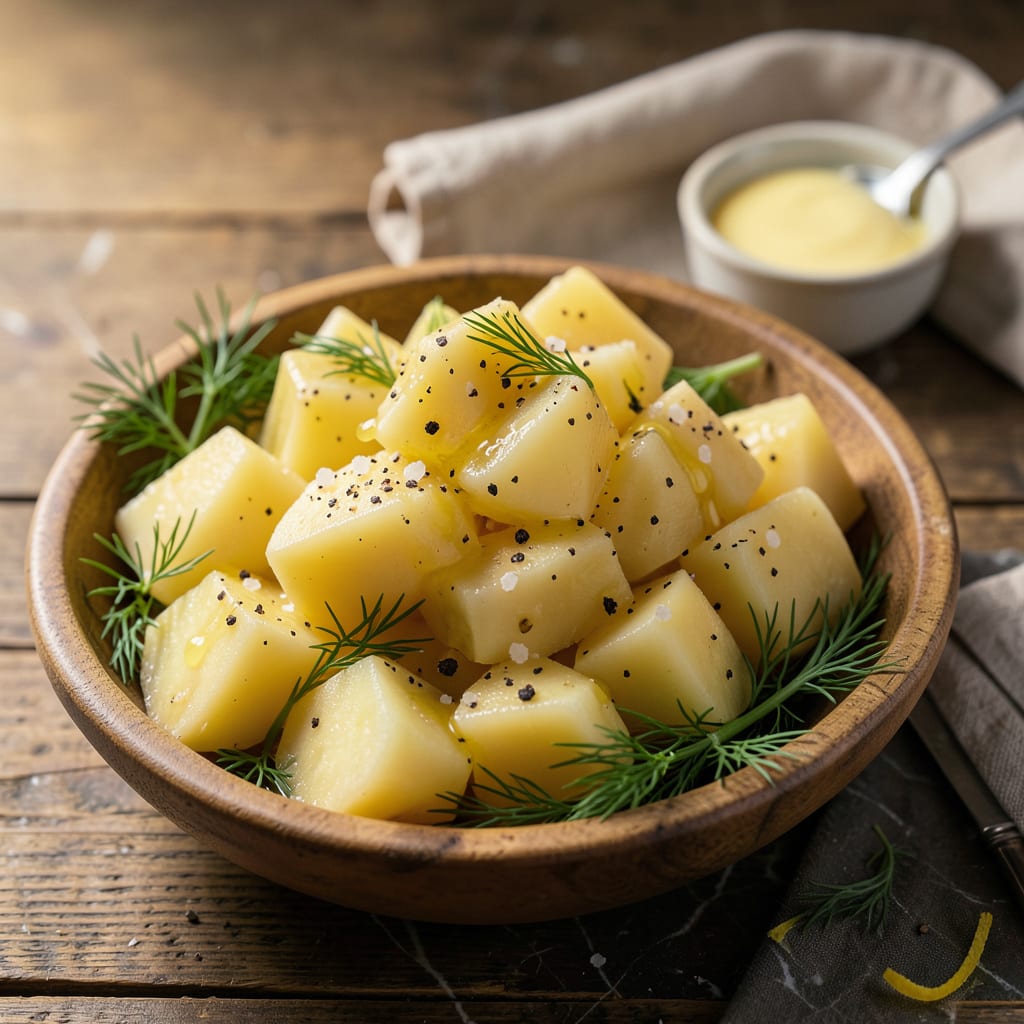
Yes, canned potatoes are fully cooked during the canning process through high-pressure steam or boiling, making them safe to eat straight from the can. They’re pre-peeled, cut, and softened for convenience.
This isn’t just about saving time—it’s about food safety and shelf stability. The commercial canning process subjects potatoes to temperatures well above boiling, effectively sterilizing them while breaking down their starches. 🔥 I’ve worked with canned ingredients for years, and what surprises most people is how this method preserves texture without additives. Unlike fresh potatoes, these are ready to heat and serve, which makes them a lifesaver for quick meals or emergency pantry staples.
Think of them as a blank canvas for flavor. Since they’re already cooked, you can focus on seasoning and presentation rather than worrying about doneness. Whether you’re tossing them into soups, mashing them with butter, or crisping them in a skillet, they adapt beautifully to almost any dish. ✨
💡 In This Article
- How Canned Potatoes Are Processed and Cooked
- Best Ways to Use Canned Potatoes in Recipes
How Canned Potatoes Are Processed and Cooked
The journey from raw potato to canned convenience starts with rigorous cleaning and peeling. Industrial peelers use high-pressure steam or abrasive surfaces to remove skins efficiently—far more precise than hand-peeling. The potatoes are then cut into uniform pieces (typically 1-inch cubes or whole small potatoes) and washed again to remove residual starch.
This prep work ensures consistent texture and cooking throughout the batch. 🔥
Next comes the cooking phase, which happens inside the can itself. The sealed cans are heated to 240-250°F under pressure—far hotter than home boiling. This extreme heat serves two critical purposes: it fully cooks the potatoes to a tender-but-firm state while simultaneously sterilizing the contents.
The process destroys bacteria and enzymes that could cause spoilage, creating a shelf-stable product without refrigeration. Most brands add only water and salt (1-2% solution), though some include calcium chloride to maintain shape during processing.
What’s fascinating is how the canning process alters the potato’s structure. The intense heat breaks down pectin (the natural “glue” holding plant cells together), which is why canned potatoes feel softer than boiled fresh ones. Yet they retain their shape because the canning liquid—usually a light brine—helps support the cell walls.
I’ve tested this by comparing canned potatoes to freshly boiled ones: the canned versions hold up better in soups and salads without turning mushy. ✨
The absence of preservatives might surprise you. Canned potatoes rely on the sterilization process and airtight seal for preservation, not chemicals. The USDA requires all low-acid canned vegetables (including potatoes) to be processed at these high temperatures to prevent botulism. This is why you’ll never find “raw” canned potatoes—they’re always fully cooked for safety.
The only exception is “new potatoes” in some European brands, which are slightly firmer but still pasteurized.
Here’s a technical detail most labels won’t tell you: the cooking time inside the can varies by size. Small 8-ounce cans might process for 20-30 minutes at high heat, while larger #10 institutional cans (like those used in restaurants) can take 45-60 minutes. This ensures even the center pieces reach proper temperature.
The result is a potato that’s not just cooked, but transformed—ready to absorb flavors in your recipes without further breakdown. 💫
For home cooks, this means you’re working with a uniquely stable ingredient. Unlike fresh potatoes that continue cooking when added to dishes, canned potatoes maintain their texture.
I’ve used them in everything from quick potato salads (where they won’t turn to mush when tossed) to hasty breakfast hashes (where they crisp up beautifully in a hot skillet). The canning process does all the heavy lifting—you just get to enjoy the convenience. ⚡

Trained in classic French technique but raised on slow-cooked ribs and spicy rubs, she blends culinary skill with smoke and soul.
- Recipe for Boneless Pork Chops in Cast Iron Skillet: Sear and Baste to Juicy Perfection - October 3, 2026
- Recipe for Boneless Cross Rib Roast: Slow-Roasted Beef with Herb Crust - October 3, 2026
- Hamburgers in Sauce Recipe Crock Pot: Slow-Cooked Savory Delight - October 3, 2026