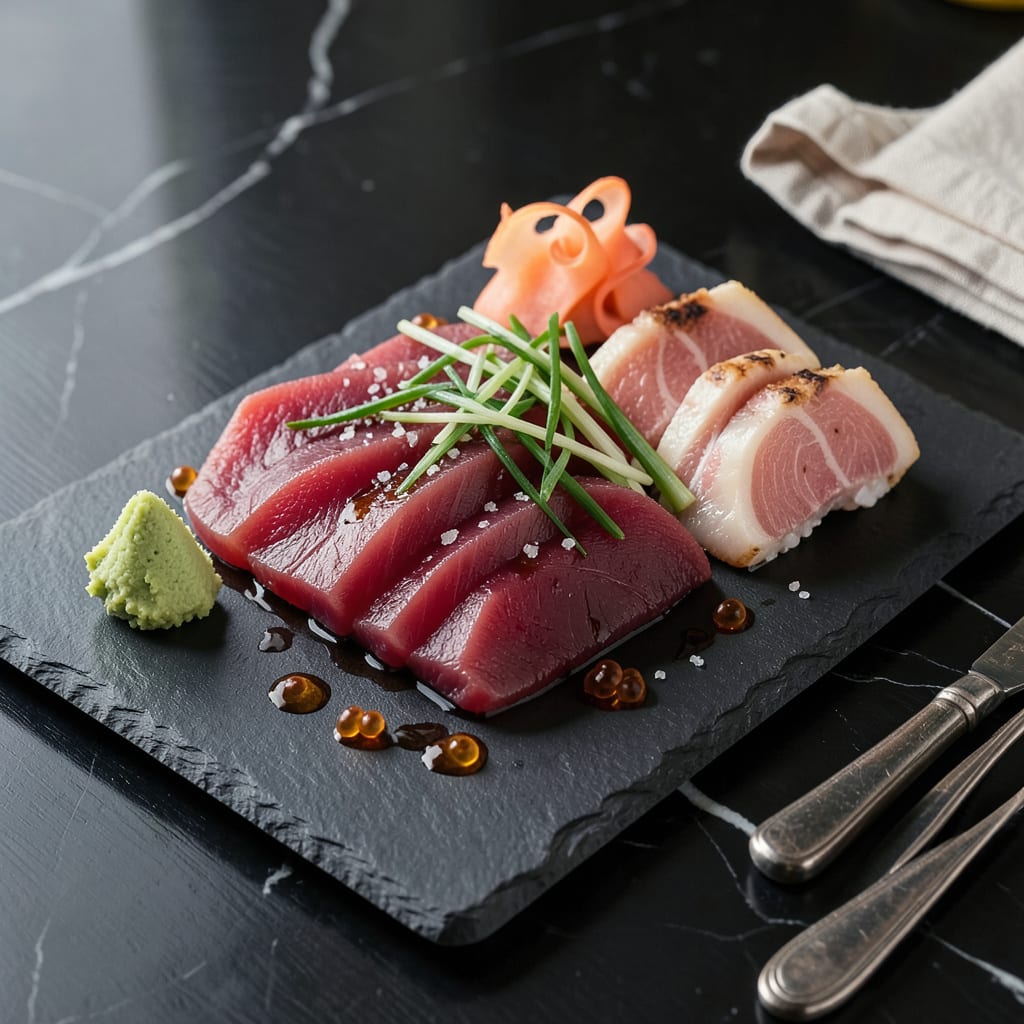
Sushi-grade tuna is the highest quality raw fish, specifically handled and frozen to kill parasites, making it safe for raw consumption. It must meet strict FDA guidelines for freshness, sourcing, and processing to ensure food safety and premium texture.
This isn’t just about freshness—it’s about precision. The freezing process targets parasites like anisakis that could lurk in raw fish, with commercial operations using -4°F for 7 days or flash-freezing at -31°F for 15 hours. What sets sushi-grade apart is the entire chain: from how the fish is caught (often line-caught to avoid bruising) to how it’s transported (on ice within hours) and stored (temperature-controlled at every step). 🔥
I’ve seen firsthand how the best suppliers handle tuna—it’s treated like a perishable treasure. The color should be vibrant ruby red, not brownish, and the flesh should feel firm yet velvety. This level of care explains why it costs more, but when you’re eating raw fish, that premium translates directly to safety and flavor.
💡 In This Article
- FDA Safety Standards for Sushi-Grade Tuna Processing
- How to Identify and Buy the Best Sushi-Grade Tuna
FDA Safety Standards for Sushi-Grade Tuna Processing
The FDA’s guidelines for sushi-grade tuna aren’t just suggestions—they’re a science-backed defense system against parasites. The core requirement involves freezing at -4°F for 7 days or flash-freezing at -31°F for 15 hours, temperatures that kill anisakis worms and other potential pathogens.
This isn’t arbitrary: studies show these specific time-temperature combinations disrupt the parasites’ cellular structure, rendering them harmless while preserving the fish’s texture. 🔥
What most people don’t realize is that the freezing process must happen immediately after landing. Top suppliers use blast freezers on fishing vessels to lock in freshness within hours of catch.
The difference between commercial-grade and sushi-grade often comes down to this immediate handling—commercial fish might sit at warmer temperatures for days before freezing, allowing enzymes to break down the flesh and parasites to migrate deeper into the muscle tissue.
The sourcing methods matter just as much as the freezing. Line-caught tuna (rather than net-caught) avoids the bruising and stress that can degrade quality. I’ve toured processing plants where they use carbon monoxide treatment to maintain that vibrant red color, though purists argue this masks true freshness.
The best operations skip this step entirely, relying on proper handling to preserve natural color and flavor.
Here’s where labeling gets tricky: “sushi-grade” and “sashimi-grade” aren’t officially regulated terms. A reputable supplier will provide documentation showing their fish meets FDA freezing guidelines, while others might use the term loosely. True sushi-grade tuna should come with a certificate of freezing compliance—something I always ask to see when sourcing for my own kitchen.
The price difference (often 30-50% more than regular tuna) reflects this rigorous process.
The texture difference is noticeable too. Properly handled sushi-grade tuna has a firm yet buttery mouthfeel, while improperly frozen fish develops a mealy texture from ice crystal damage. When I press my finger into a fresh sushi-grade fillet, it should spring back immediately—no indentation means the proteins haven’t been compromised by temperature abuse. ✨
Even the cutting process follows strict protocols. Skilled fishmongers use single-stroke cuts with razor-sharp knives to prevent tearing the flesh, which can create entry points for bacteria. The best sushi chefs I know can identify the quality just by how cleanly the knife moves through the fish—resistance indicates improper freezing or handling.
Remember that “sushi-grade” is about more than just safety—it’s about preserving the fish’s natural umami and delicate texture. The next time you see that label, ask about the freezing documentation and handling process. That’s how you separate the truly premium product from clever marketing. 💫

Trained in classic French technique but raised on slow-cooked ribs and spicy rubs, she blends culinary skill with smoke and soul.
- Recipe for Boneless Pork Chops in Cast Iron Skillet: Sear and Baste to Juicy Perfection - October 3, 2026
- Recipe for Boneless Cross Rib Roast: Slow-Roasted Beef with Herb Crust - October 3, 2026
- Hamburgers in Sauce Recipe Crock Pot: Slow-Cooked Savory Delight - October 3, 2026