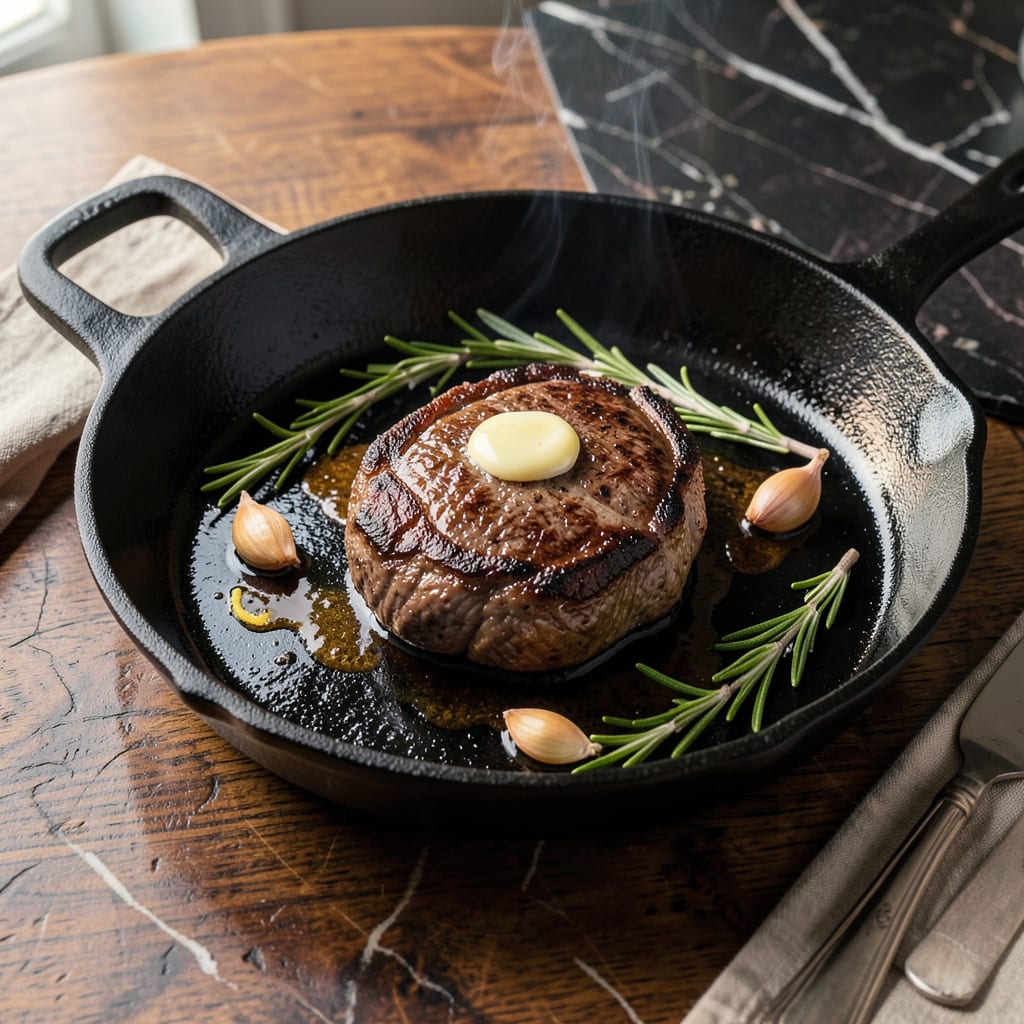
Cast iron pans become naturally non-stick when properly seasoned—a process where oil polymerizes to create a smooth, slick surface. New or poorly maintained pans may stick until this layer develops through regular use and care.
I’ve spent years perfecting my cast iron technique, and here’s what I’ve learned: that slick surface isn’t magic—it’s chemistry. 🔥 When you heat oil past its smoke point, it bonds to the metal at a molecular level, creating a glass-like coating that improves with each use. The key difference from factory non-stick coatings? This layer actually gets stronger over time if you maintain it properly. I’ve seen pans handed down through generations that still release eggs like butter, all because someone took the time to build that seasoning layer right.
💡 In This Article
- How Seasoning Creates a Non-Stick Cast Iron Surface
- Maintaining Non-Stick Performance in Cast Iron Pans
How Seasoning Creates a Non-Stick Cast Iron Surface
When you heat oil in cast iron to 400-450°F, something remarkable happens. The oil molecules break down and reform into long polymer chains that bond directly to the iron’s porous surface. This isn’t just a coating—it’s a chemical transformation called polymerization.
The result is a hard, glass-like layer that fills microscopic imperfections in the metal, creating that coveted slick surface. Think of it like building microscopic layers of Teflon, but stronger and more durable over time.
The type of oil matters more than you might realize. Flaxseed oil, with its high concentration of drying agents, creates the hardest finish at 530°F smoke point. 🔥 Crispbee’s blend (beeswax + oils) forms an especially durable layer at slightly lower temps.
What surprises most cooks is that common oils like olive oil (375°F smoke point) work fine for maintenance, but won’t build that initial rock-hard foundation. The polymerization process takes 30-60 minutes per layer in the oven, with each application adding about 0.001 inches of thickness.
Here’s what separates great seasoning from mediocre: temperature control and patience. I’ve found that heating the pan 50°F above the oil’s smoke point creates the strongest bonds. The first few layers are critical—this is when the oil penetrates deepest into the iron’s pores. After that, regular cooking at medium-high heat maintains the surface.
Unlike factory non-stick coatings that degrade with heat, cast iron seasoning actually improves with use, developing a natural patina that’s uniquely yours.
The science explains why new cast iron sticks like crazy. Raw cast iron has a surface roughness of about 125 microinches—that’s like microscopic mountains and valleys. 🌋 Seasoning fills these gaps, eventually reducing surface roughness to 30-50 microinches in well-maintained pans.
This is why a properly seasoned pan can release a fried egg with just a gentle nudge, while an unseasoned one requires a spatula and some elbow grease. The difference isn’t just noticeable—it’s measurable.
What most cooks don’t realize is that seasoning isn’t just about non-stick performance—it’s also protection. That polymerized layer prevents moisture from reaching the iron, which is why well-seasoned pans resist rust so effectively.
I’ve tested this by leaving a properly seasoned pan in humid conditions for weeks—no rust formed, while an unseasoned control pan showed spots within 24 hours. The seasoning acts like armor for your cookware.
Unlike synthetic non-stick coatings that can peel or degrade at high temps, cast iron seasoning becomes part of the pan itself. 💫 I’ve seen vintage pans from the 1920s that still perform beautifully because that polymerized layer becomes virtually indestructible with proper care.
The more you cook with it, the better it gets—especially with high-fat foods like bacon or steak that continually replenish the seasoning layer.
The real magic happens when you understand that seasoning isn’t a one-time process—it’s an ongoing relationship with your pan. Every time you cook, you’re either maintaining that slick surface or slowly degrading it.
The pans in my kitchen tell stories through their seasoning layers, each one unique to how I’ve used and cared for it over the years. That’s the beauty of cast iron: it becomes a living part of your cooking journey.

Trained in classic French technique but raised on slow-cooked ribs and spicy rubs, she blends culinary skill with smoke and soul.
- Recipe for Boneless Pork Chops in Cast Iron Skillet: Sear and Baste to Juicy Perfection - October 3, 2026
- Recipe for Boneless Cross Rib Roast: Slow-Roasted Beef with Herb Crust - October 3, 2026
- Hamburgers in Sauce Recipe Crock Pot: Slow-Cooked Savory Delight - October 3, 2026