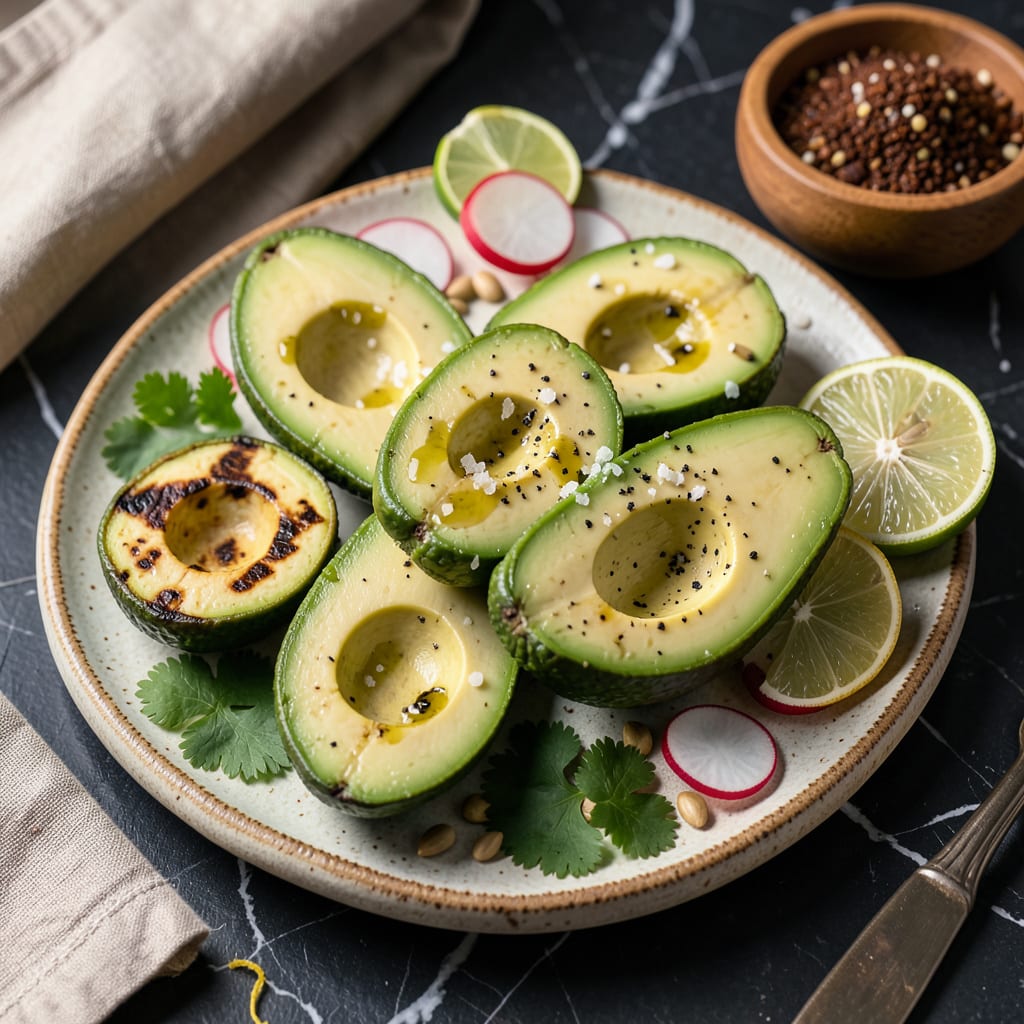
Florida avocados offer a lighter, sweeter taste with lower fat content than Hass varieties, making them great for salads and dressings. Their smooth texture and larger size provide versatility, though some find them less creamy for guacamole.
I love working with Florida avocados because they bring something different to the table. 🔥 Their higher water content gives them a refreshing quality that works beautifully in summer dishes, while the subtle sweetness pairs wonderfully with citrus or herbs. What’s fascinating is how their thinner skin makes them easier to peel, though you’ll want to use them quickly since they oxidize faster than Hass. The size advantage means fewer avocados needed for recipes, which I appreciate when prepping large batches.
💡 In This Article
- How Florida Avocados Compare to Hass Varieties
- Best Ways to Use Florida Avocados in Recipes
How Florida Avocados Compare to Hass Varieties
The difference starts with the climate. Florida’s humid subtropical environment produces avocados with 60-65% water content, compared to Hass avocados’ 50-55%. This higher water content creates that signature lighter texture and milder flavor profile.
The trees thrive in Florida’s sandy soil, which affects nutrient uptake and contributes to the fruit’s subtle sweetness—almost like a cross between a cucumber and a nutty pear. 🌿
Fat content tells another story. Florida varieties contain about 3-5% fat by weight, while Hass avocados pack 15-20%. This isn’t just about calories—it changes the mouthfeel entirely. The lower fat means Florida avocados won’t coat your palate the same way, making them feel refreshing rather than rich.
Their skin is also paper-thin (about 1mm thick versus Hass’ 3-4mm), which means easier peeling but faster oxidation once cut.
Size matters in practical terms. A single Florida avocado often weighs 1-2 pounds, while Hass typically max out at 8 ounces. This means you’ll need fewer Florida avocados for recipes, but their larger pits (about 30% of total volume) reduce usable flesh.
The flesh itself has a silkier, almost custard-like consistency when perfectly ripe, though it lacks the buttery resistance that makes Hass ideal for guacamole. 🥑
Seasonality plays a role too. Florida avocados peak from June through March, while Hass are available year-round. The Florida varieties also show more color variation—ranging from bright green to deep purple-black when ripe—unlike Hass’ consistent dark pebbled skin.
This visual difference can confuse shoppers, but the real tell is the stem: if it pops off easily and reveals green underneath, it’s ready to eat.
What surprises many is the sugar content. Florida avocados contain about 1.5g of natural sugars per 100g compared to Hass’ 0.7g. This subtle sweetness makes them exceptional in fruit salads or paired with acidic ingredients like grapefruit or lime.
The lower fat also means they blend more smoothly into dressings without separating, though you’ll want to add extra oil if using them for mayo substitutes. ✨
One final quirk: their seed-to-flesh ratio. While Hass avocados devote about 10-15% of their volume to the pit, Florida varieties can have pits occupying 25-30% of the total fruit.
This means you’re paying for more pit weight, but the flesh you do get has a uniquely delicate flavor that shines in raw applications where you want the avocado to complement rather than dominate other ingredients.

Trained in classic French technique but raised on slow-cooked ribs and spicy rubs, she blends culinary skill with smoke and soul.
- Recipe for Boneless Pork Chops in Cast Iron Skillet: Sear and Baste to Juicy Perfection - October 3, 2026
- Recipe for Boneless Cross Rib Roast: Slow-Roasted Beef with Herb Crust - October 3, 2026
- Hamburgers in Sauce Recipe Crock Pot: Slow-Cooked Savory Delight - October 3, 2026