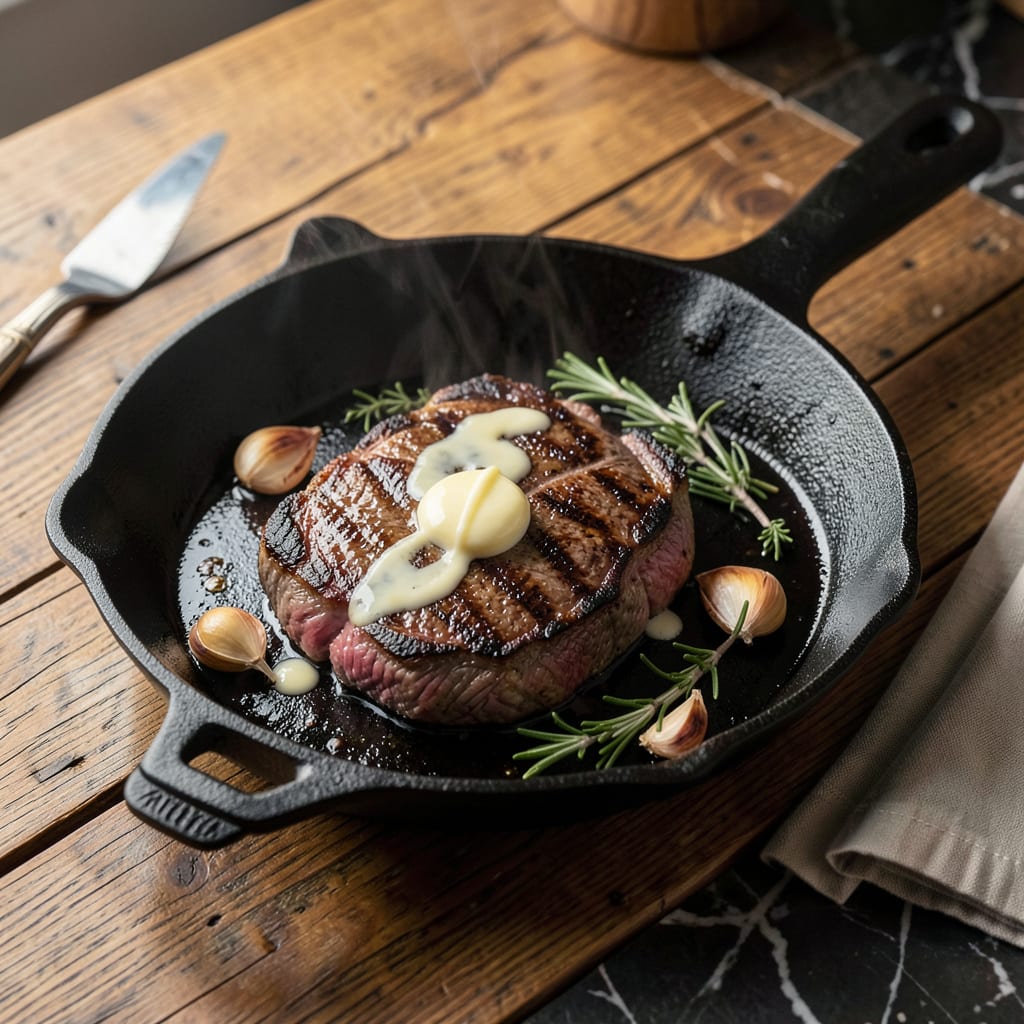
Cast iron skillets are completely oven-safe, handling temperatures well beyond typical cooking needs—most withstand up to 500°F or higher. Their durability makes them ideal for stovetop-to-oven recipes like searing and baking.
I’ve relied on cast iron for years because it transitions seamlessly from burner to broiler without skipping a beat. 🔥 The secret lies in its molecular structure—cast iron’s dense composition resists warping even under extreme heat, unlike thinner materials that might buckle. This makes it my top choice for dishes like skillet cornbread or crispy-skinned chicken that need both stovetop and oven time.
What’s often overlooked is how the seasoning actually improves with oven use. The high heat helps polymerize the oils, creating a smoother, more durable nonstick surface over time. Just remember that while bare cast iron laughs at 500°F, enameled versions typically max out around 400°F—always check your manufacturer’s specs.
💡 In This Article
- Why Cast Iron Skillets Excel in High-Temperature Cooking
- Safety Tips for Using Cast Iron Skillets in the Oven
Why Cast Iron Skillets Excel in High-Temperature Cooking
Cast iron’s secret lies in its molecular structure—a dense iron-carbon alloy that gives it remarkable thermal stability. Unlike thinner materials that expand unevenly under heat, cast iron’s composition (typically 97-98% iron with 2-3% carbon) creates a rigid lattice that resists warping even at 600°F+.
This is why your grandmother’s skillet still performs perfectly after decades of use. 🔥
The carbon content plays a crucial role in heat distribution. Those tiny carbon flakes act like microscopic heat conductors, spreading energy evenly across the surface. Compare this to stainless steel, which often develops hot spots, or ceramic that can crack under rapid temperature changes.
A well-seasoned cast iron skillet maintains temperature fluctuations within just ±10°F across its surface—ideal for consistent cooking.
What really sets cast iron apart is its heat retention capacity. With a specific heat capacity of about 0.108 BTU/lb°F, it holds heat approximately 20% longer than aluminum and 30% longer than copper.
This means when you transfer your skillet from stovetop to oven, it maintains that perfect searing temperature for 5-7 minutes longer than other materials. Perfect for getting that restaurant-quality crust on your steak before finishing it in the oven. ✨
The seasoning process actually benefits from oven use. When exposed to temperatures above 400°F, the oils in your seasoning undergo polymerization—a chemical process where they form stronger, more heat-resistant bonds with the iron surface. This creates a natural nonstick coating that improves with each oven session, unlike synthetic coatings that degrade over time.
Consider how this compares to other oven-safe options:
- Stainless steel: Handles 500°F but often warps and develops hot spots
- Ceramic: Limited to 450°F and prone to cracking with temperature swings
- Enameled cast iron: Oven-safe to 400-500°F but lacks the seasoning benefits
This thermal resilience makes cast iron uniquely suited for techniques like reverse searing, where you might start meat at 225°F in the oven and finish with a 500°F sear on the stovetop.
The skillet handles both extremes without batting an eye, while other materials would require transferring to different pans. 💫
The weight of cast iron (about 5 lbs for a 10-inch skillet) also contributes to its oven performance. That mass requires more energy to heat but then acts like a thermal battery, maintaining steady temperatures even when you open the oven door.
It’s why professional bakers often prefer cast iron for deep-dish pizzas—the crust cooks evenly from edge to center every time. ⚡

Trained in classic French technique but raised on slow-cooked ribs and spicy rubs, she blends culinary skill with smoke and soul.
- Recipe for Boneless Pork Chops in Cast Iron Skillet: Sear and Baste to Juicy Perfection - October 3, 2026
- Recipe for Boneless Cross Rib Roast: Slow-Roasted Beef with Herb Crust - October 3, 2026
- Hamburgers in Sauce Recipe Crock Pot: Slow-Cooked Savory Delight - October 3, 2026