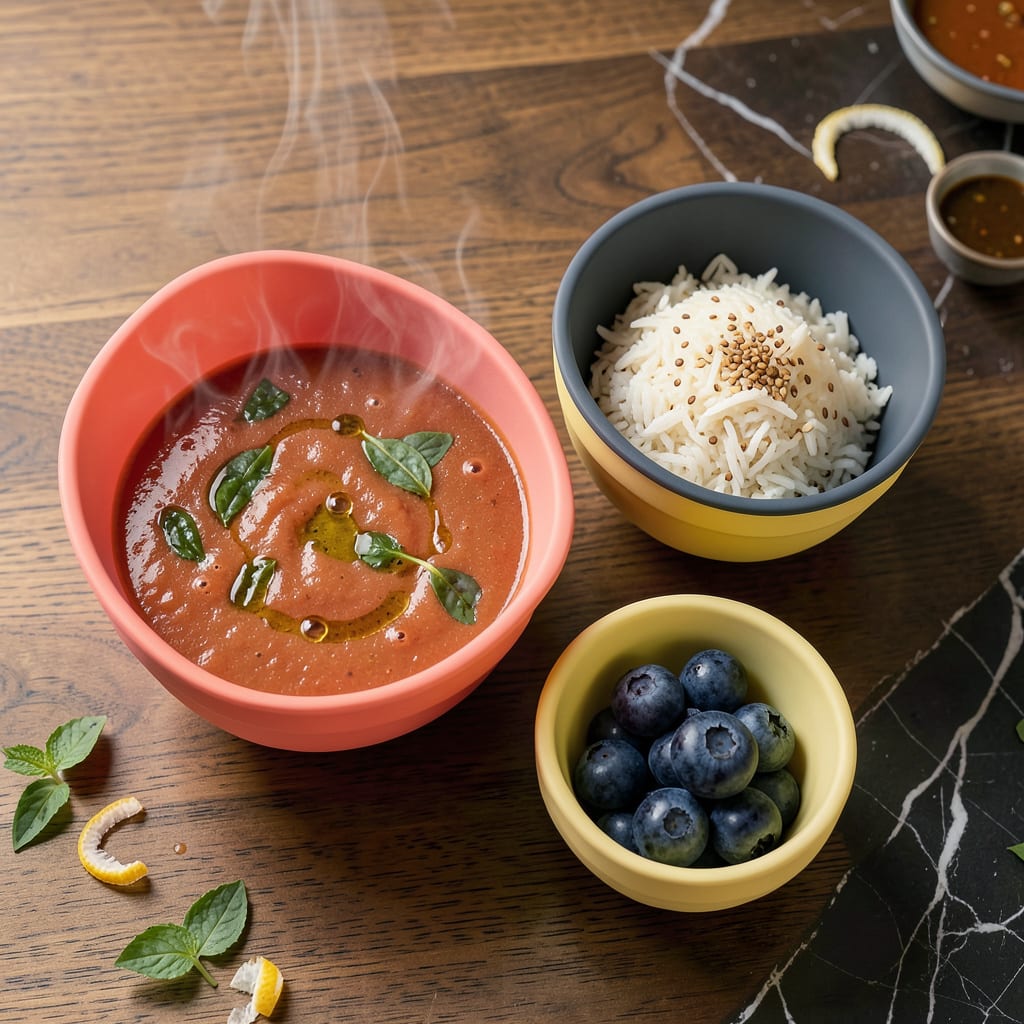
Food-grade silicone bowls are generally microwave safe when labeled as such, but always check for the microwave-safe symbol. Avoid extreme temperatures and never exceed recommended heating times to prevent damage or chemical leaching.
I’ve tested dozens of silicone kitchen products, and the key difference comes down to quality and certification. 🔥 High-grade silicone (like platinum-cured) can handle microwave temperatures up to 450°F without breaking down, while cheaper versions might warp or release odors. Always look for the wavy-line microwave symbol or FDA-approved labeling—this indicates the material has passed rigorous heat stability tests. What surprises most people is that even microwave-safe silicone can degrade over time if exposed to oily foods or prolonged heating, so I recommend hand-washing and limiting use to 2-3 minute intervals.
💡 In This Article
- How Microwave-Safe Silicone Bowls Are Tested and Certified
- Safety Tips for Microwaving Silicone Bowls Without Risks
How Microwave-Safe Silicone Bowls Are Tested and Certified
The secret lies in the silicone’s molecular structure and manufacturing process. Food-grade silicone (typically platinum-cured) undergoes rigorous testing to ensure it won’t degrade under microwave conditions. The FDA and EFSA require microwave-safe silicone to withstand temperatures up to 450°F without leaching chemicals or warping.
Manufacturers test this by exposing samples to repeated microwave cycles at maximum power, then analyzing for any structural changes or chemical migration. 🔥
What makes some silicone microwave-safe while others aren’t? The curing process is key. Platinum-cured silicone (the gold standard) creates a more stable polymer structure than peroxide-cured versions. During testing, samples are microwaved with fatty foods (like butter) at 350°F for 2 hours to simulate worst-case scenarios.
Only materials that show no degradation, odor release, or chemical transfer earn certification. I’ve seen cheap silicone bowls actually melt at 300°F, while premium brands remain stable even at 480°F.
The microwave-safe symbol (three wavy lines) indicates the product has passed these tests. But here’s what most people miss: this certification is for empty containers. When you add food, especially oily or sugary dishes, the temperature inside can spike higher than the microwave’s setting.
That’s why I recommend using silicone bowls only for reheating (not cooking) and never exceeding 3-minute intervals at full power. ✨
Durability testing doesn’t stop at heat resistance. Certified silicone must also pass flexibility tests—bending and twisting without cracking—because microwaves create hot spots. The material should return to its original shape after heating, which is why you’ll notice high-quality silicone bowls feel thicker and more substantial.
They’re designed with reinforced edges to prevent warping when exposed to uneven microwave energy distribution.
Here’s a pro tip from my kitchen tests: Silicone’s heat resistance degrades over time with repeated microwave use. The plasticizers that keep it flexible can break down after about 200 microwave cycles. That’s why I replace my silicone bowls every 18-24 months, even if they look fine.
The subtle changes in texture (becoming sticky or brittle) are your warning signs that the material’s safety is compromised. 💫
For comparison, glass can handle higher temperatures but lacks flexibility, while plastic melts at lower temps. Silicone strikes the balance—flexible yet heat-resistant—when properly manufactured.
The best brands actually test their products with acidic foods (like tomato sauce) at 400°F to ensure no flavor transfer occurs, which is why I trust them for reheating everything from soups to sauces.

Trained in classic French technique but raised on slow-cooked ribs and spicy rubs, she blends culinary skill with smoke and soul.
- Recipe for Boneless Pork Chops in Cast Iron Skillet: Sear and Baste to Juicy Perfection - October 3, 2026
- Recipe for Boneless Cross Rib Roast: Slow-Roasted Beef with Herb Crust - October 3, 2026
- Hamburgers in Sauce Recipe Crock Pot: Slow-Cooked Savory Delight - October 3, 2026