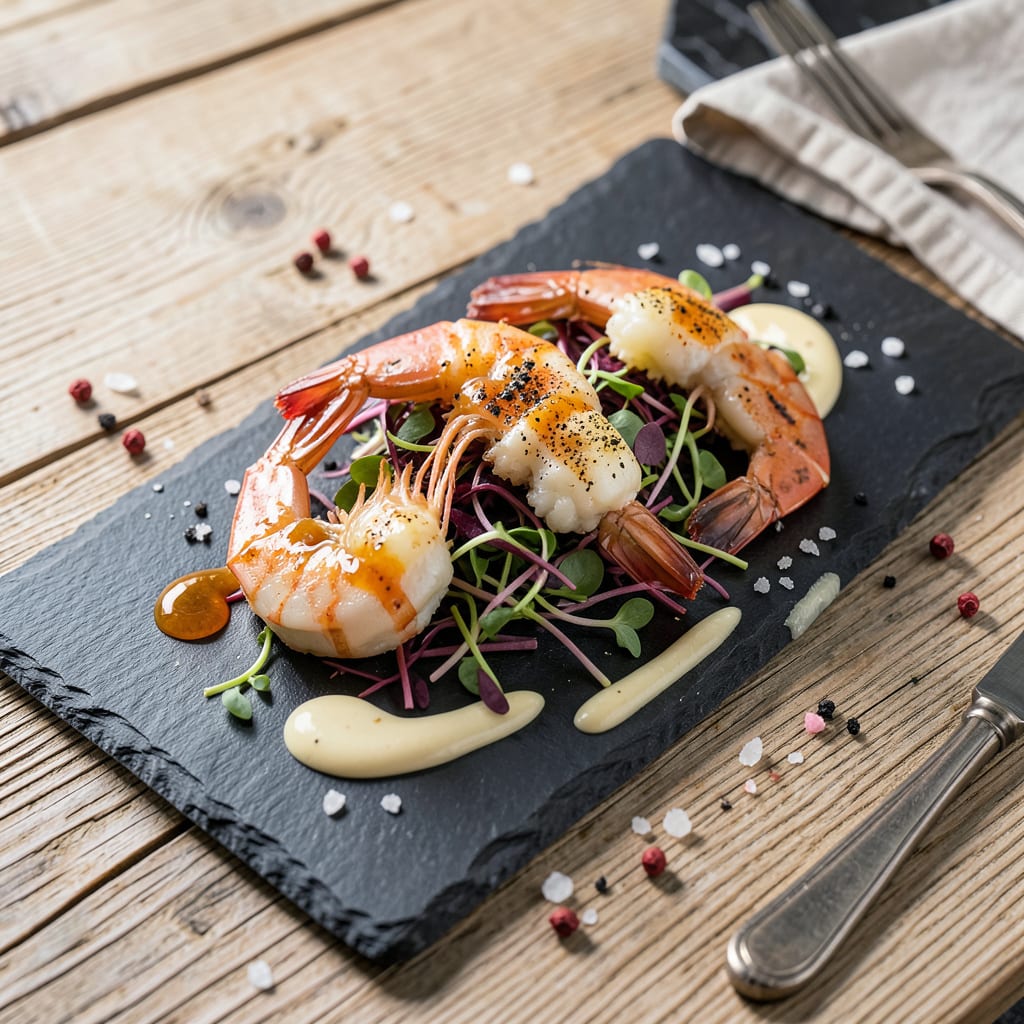
Shrimp tails are technically edible but not commonly eaten in most cuisines. They’re usually removed before cooking or left on for presentation, then discarded. The shell is tough and adds little flavor, though some cultures fry or grind them for texture or stock.
I’ve worked with shrimp in countless dishes, and the tail decision often comes down to texture and tradition. In my experience, Asian cuisines sometimes transform these crispy bits into garnishes or broth enhancers, while Western kitchens prioritize convenience. 🔥 The tail’s fibrous shell doesn’t soften much during cooking, which is why most recipes call for removal—unless you’re aiming for that extra crunch in a stir-fry or deep-fried preparation.
What’s fascinating is how chefs repurpose what others discard. Those tails pack umami potential when simmered into stocks or ground into powder for seasoning blends. I always save mine for seafood broths—they add depth without overpowering. ✨ The key is knowing when to keep them (for presentation or flavor extraction) and when to ditch them (for tender, easy eating).
💡 In This Article
- Why Some Cultures Eat Shrimp Tails (and Others Don’t)
- How to Prepare Shrimp Tails for Cooking or Removal
Why Some Cultures Eat Shrimp Tails (and Others Don’t)
In Southeast Asian street food, you’ll often find whole fried shrimp where the tail becomes a crispy handle—think Thai goong ten or Vietnamese salt-and-pepper shrimp. The high-heat frying at 375-400°F transforms the tail’s fibrous chitin into an edible, glass-like crunch that contrasts the tender meat.
🔥 These cultures embrace texture as a key element, using the tail’s snap to balance soft rice or noodle dishes. The flavor payoff comes from the tail’s natural glutamates, which intensify when fried or roasted.
Contrast this with Western traditions, where shrimp tails are primarily aesthetic. Classic French crevettes or American shrimp cocktail leave tails intact for visual appeal, but they’re rarely consumed. The difference lies in preparation: Western methods like poaching or steaming at 180-212°F don’t break down the tail’s tough structure.
Meanwhile, Chinese cuisine might pulverize dried shrimp tails into XO sauce, where their umami compounds dissolve during slow cooking to create depth.
Historically, shellfish preparation reflected resourcefulness. Coastal communities from Louisiana to Japan simmered tails into stocks, extracting collagen and minerals that would otherwise go to waste. Modern kitchens still use this trick—try simmering 1 cup of tails in 4 cups of water for 45 minutes to make a seafood broth with remarkable body.
The tails’ calcium carbonate also acts as a natural thickener, giving bisques their signature velvety texture. ✨
The science explains why tails divide opinions. Their exoskeleton contains chitin, a polysaccharide that humans can’t digest efficiently. While harmless, it passes through the system largely intact—hence the gritty texture some find unpleasant. Yet when ground into powder (like in Japanese ebi furai coating), chitin adds a subtle seafood essence without noticeable grittiness.
The key is particle size: finer than 1mm blends seamlessly into batters or rubs.
Chefs’ choices often boil down to practicality. Removing tails before cooking (like for scampi) saves diners the hassle, while leaving them on (as with grilled skewers) prevents meat from slipping during flipping.
💫 In my test kitchen, I’ve found that tails left on during grilling protect the delicate flesh from direct heat, reducing the risk of overcooking—just snip them off with shears before serving for the best of both worlds.
Even the tail’s removal method varies culturally. Latin American cebiches often serve shrimp with tails split lengthwise but still attached, creating a dramatic presentation while making the shell easier to crack.
Meanwhile, Scandinavian smörgåsbord might feature tiny North Sea shrimp with tails intact as a nod to tradition—though diners discreetly deposit them on a separate plate. The unspoken rule? When in doubt, follow the host’s lead or ask how locals handle them.
What surprises most home cooks is how much flavor hides in those discarded tails. Next time you peel shrimp, try toasting the tails in a dry pan until fragrant (about 3-5 minutes), then grinding them into a powder. Sprinkle this over pasta or risotto for a seafood boost without adding actual shrimp.
The Maillard reaction during toasting transforms the chitin’s blandness into nutty, savory notes that elevate simple dishes. 🌟

Trained in classic French technique but raised on slow-cooked ribs and spicy rubs, she blends culinary skill with smoke and soul.
- Recipe for Boneless Pork Chops in Cast Iron Skillet: Sear and Baste to Juicy Perfection - October 3, 2026
- Recipe for Boneless Cross Rib Roast: Slow-Roasted Beef with Herb Crust - October 3, 2026
- Hamburgers in Sauce Recipe Crock Pot: Slow-Cooked Savory Delight - October 3, 2026