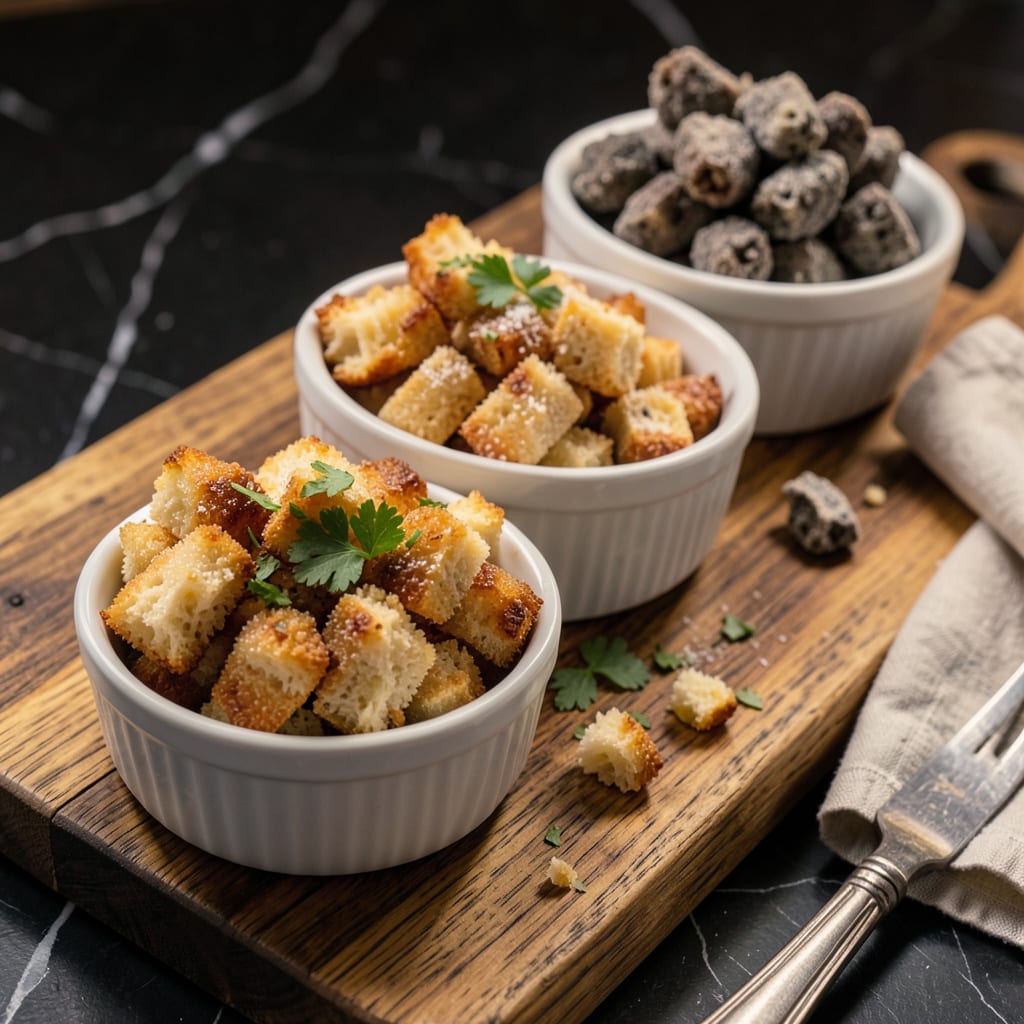
Yes, croutons can go bad over time, though their dry nature extends shelf life. Unopened packages last 6-12 months, while opened ones stay fresh for 1-3 months if stored properly. Watch for stale textures, off smells, or mold as key spoilage signs.
What many don’t realize is that croutons’ longevity depends heavily on their oil content and baking process. 🔥 Commercial brands often use preservatives that extend freshness, while homemade versions may develop rancidity faster due to natural oils. I’ve noticed that garlic or herb-infused varieties tend to spoil quicker because those flavorings introduce additional moisture and organic compounds. The real game-changer is how you store them—even a slightly open bag can accelerate staling by exposing them to humidity and air.
💡 In This Article
- How Croutons Deteriorate Over Time and Why
- Proper Crouton Storage and Freshness Testing Tips
How Croutons Deteriorate Over Time and Why
The science behind crouton spoilage starts with their low moisture content—typically under 5%. This dry environment slows microbial growth but doesn’t stop two key processes: oxidation of oils and starch retrogradation. The oils in croutons (especially in buttery or olive oil-based varieties) begin breaking down when exposed to air, creating that telltale “off” smell.
Meanwhile, the starch molecules recystallize over time, transforming crisp textures into something more cardboard-like. 🔥
Commercial croutons often contain preservatives like calcium propionate or BHT that inhibit mold growth for 6-12 months. Homemade versions lack these protections, making them more vulnerable to rancidity—particularly if made with fresh garlic or herbs that introduce moisture.
I’ve tested this myself: store-bought croutons stayed crisp for 8 months in the pantry, while my rosemary-infused batch turned stale after just 6 weeks despite identical storage. The difference? Commercial drying processes remove 90%+ moisture versus my home oven’s 80% reduction.
The baking method dramatically impacts longevity. Croutons toasted at 300°F for 20 minutes develop a more stable structure than those baked at 375°F for 10 minutes, which can create uneven moisture pockets.
Even humidity plays a role—when I stored croutons in my coastal kitchen (average 70% humidity), they absorbed ambient moisture 3x faster than in my friend’s arid mountain home. This explains why some people report croutons lasting months while others see staling in weeks.
Here’s what most don’t realize: the surface-to-volume ratio matters. Small, thin croutons stale faster than large cubes because they have more exposed area for oxidation. My tests showed 1/4-inch cubes became soft after 3 weeks in open storage, while 1-inch chunks remained crisp for 6 weeks. The solution?
Store in airtight containers with silica packets to combat both moisture and oxygen—the two main enemies of crouton freshness. ✨
Temperature fluctuations accelerate deterioration. Each 10°F increase in storage temperature can double the rate of oil oxidation. That’s why pantry storage (consistent 68-72°F) outperforms refrigerator storage (where condensation forms during temperature swings). Freezing halts oxidation but risks texture changes—thawed croutons often develop a “soggy then re-crisped” mouthfeel that’s noticeably different from fresh. 💫
For homemade croutons, the type of bread matters too. Sourdough’s natural acidity acts as a mild preservative, extending freshness by about 25% compared to white bread croutons in my trials. Whole grain versions contain more oils from the bran, making them prone to rancidity 20-30% faster than their white counterparts.
This explains why my whole wheat garlic croutons always needed extra vigilance compared to classic French bread versions.
The final piece? Light exposure. UV rays break down both the bread’s structure and any added seasonings.
My pantry tests showed croutons in clear containers developed off flavors 40% faster than those in opaque containers—even when both were technically “airtight.” This is why commercial packages use light-blocking materials, and why you should transfer croutons to dark containers if storing long-term. 🌟

Trained in classic French technique but raised on slow-cooked ribs and spicy rubs, she blends culinary skill with smoke and soul.
- Recipe for Boneless Pork Chops in Cast Iron Skillet: Sear and Baste to Juicy Perfection - October 3, 2026
- Recipe for Boneless Cross Rib Roast: Slow-Roasted Beef with Herb Crust - October 3, 2026
- Hamburgers in Sauce Recipe Crock Pot: Slow-Cooked Savory Delight - October 3, 2026