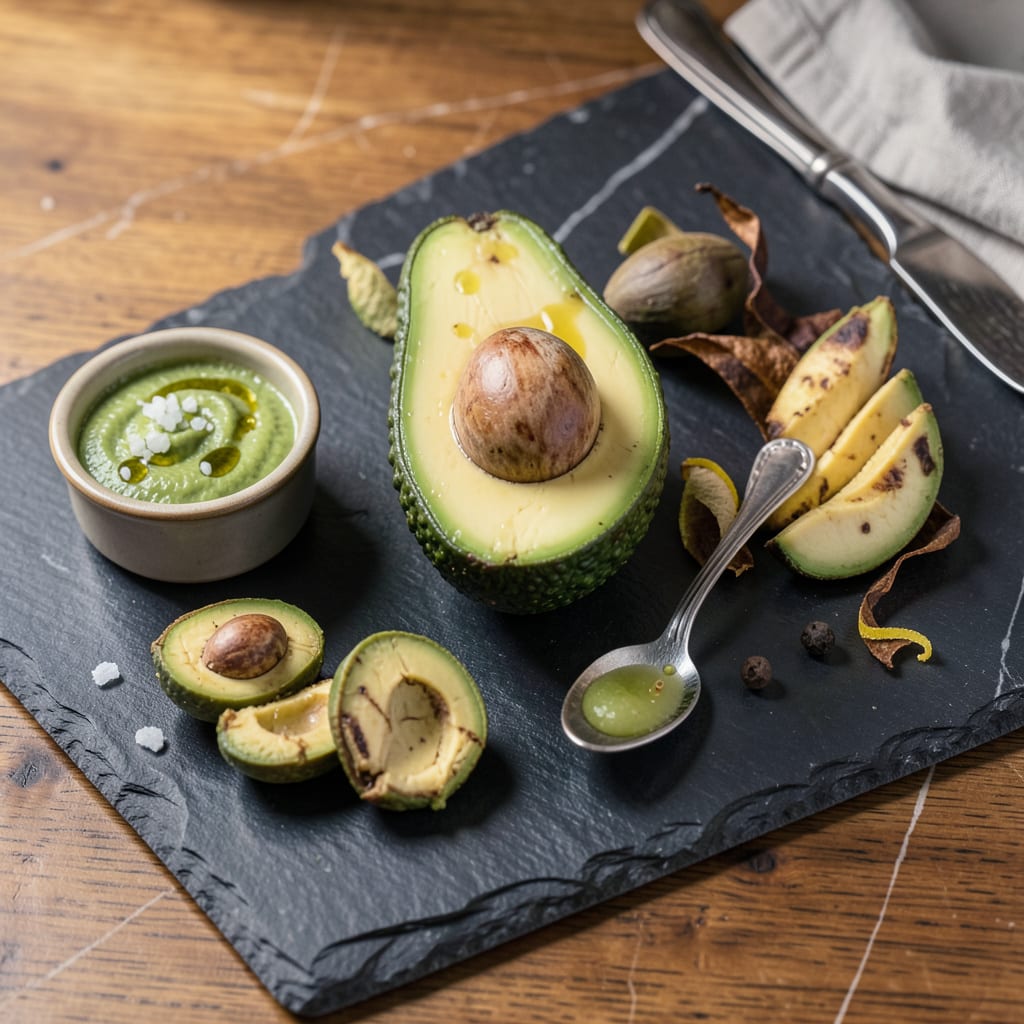
Avocados turn bitter due to overripeness, exposure to cold temperatures, or being picked too early. The flesh oxidizes and develops unpleasant compounds when stored improperly or left too long.
That unpleasant bitter taste often comes from stress factors the fruit experienced. When avocados are harvested prematurely or exposed to sudden temperature changes, their natural enzymes go into overdrive, breaking down healthy fats into bitter-tasting compounds. 🔥 I’ve noticed this happens most often with store-bought avocados that were refrigerated too soon or left to ripen in inconsistent conditions. The bitterness intensifies as the fruit’s cellular structure breaks down, releasing tannins that would normally stay contained in a properly ripened avocado.
What many don’t realize is that this bitterness serves as the fruit’s distress signal. It’s nature’s way of telling you something went wrong in the ripening process, whether from improper handling, storage mistakes, or simply being left on the counter too long. ✨ The good news is that with proper selection and storage techniques, you can almost always avoid this bitter disappointment.
💡 In This Article
- Scientific Reasons Behind Avocado Bitterness
- How to Prevent and Fix Bitter Avocado Taste
Scientific Reasons Behind Avocado Bitterness
When avocados develop that unpleasant bitter flavor, it’s actually a chemical distress signal from the fruit. The primary culprit is tannin release—compounds that normally stay contained in the skin and seed. As avocados overripen or experience stress, these tannins migrate into the flesh, creating that astringent, bitter taste.
🔥 I’ve found this happens most dramatically when avocados are left at room temperature for more than 3-4 days after ripening.
The process accelerates when avocados are exposed to temperatures below 45°F. Cold damage ruptures cell walls, causing enzymes to mix with phenolic compounds that create bitter flavors. This is why refrigerating unripe avocados is a common mistake—it triggers chilling injury that manifests as bitterness and grayish flesh.
The damage becomes irreversible after about 24-48 hours of improper cold storage.
Ethylene gas plays another crucial role in flavor degradation. Avocados produce this natural ripening hormone, but excessive exposure (like being stored near bananas or apples) can push them past the ideal ripeness window. The flesh then begins breaking down healthy fats into short-chain fatty acids that taste unpleasantly sharp.
What’s fascinating is that this same process creates the buttery richness we love—until it goes too far.
Oxidation compounds the problem once the fruit is cut. The same enzymatic browning that turns avocado flesh brown also intensifies bitter notes. The longer cut avocado sits exposed to air, the more these bitter compounds develop.
I’ve noticed that avocados with higher oil content (like Hass varieties) actually resist bitterness better than watery types, thanks to their natural antioxidants.
Here’s what most people miss: that bitter taste is the fruit’s survival mechanism. In nature, overripe or damaged fruit becomes unpalatable to discourage consumption. The avocado is essentially telling you it’s past its prime.
The good news is that with proper handling—like storing at 55-65°F and using within 1-2 days of ripening—you can completely avoid this bitter transformation. ✨
Consider these key stress factors that trigger bitterness:
- Temperature shock: Moving from fridge to counter too quickly
- Ethylene overload: Storing with other high-ethylene fruits
- Oxygen exposure: Leaving cut avocado uncovered for hours
- Premature harvesting: Picking before fat content reaches 15-20%

Trained in classic French technique but raised on slow-cooked ribs and spicy rubs, she blends culinary skill with smoke and soul.
- Recipe for Boneless Pork Chops in Cast Iron Skillet: Sear and Baste to Juicy Perfection - October 3, 2026
- Recipe for Boneless Cross Rib Roast: Slow-Roasted Beef with Herb Crust - October 3, 2026
- Hamburgers in Sauce Recipe Crock Pot: Slow-Cooked Savory Delight - October 3, 2026