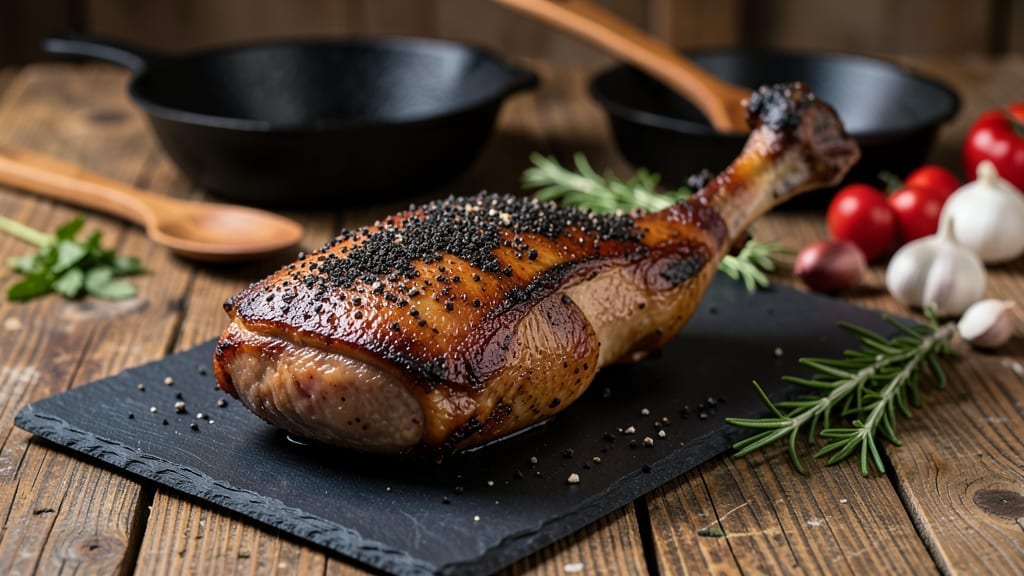
This arm roast smoker recipe transforms tough cuts into melt-in-your-mouth perfection—where low-and-slow smoking unlocks deep, smoky flavors and tender texture. 🔥 I perfected it after years of experimenting with French technique meets pitmaster tradition, and the results speak for themselves: juicy, flavorful meat that falls apart with just a fork.
The secret lies in precise temperature control and patience, something I learned the hard way during my first backyard cookout when I rushed the process and ended up with dry meat.
What sets this recipe apart is the dry brine method, which ensures moisture retention and intense flavor development. You’ll start with a simple yet robust rub—just salt, pepper, and a touch of smoked paprika—that creates a perfect bark while keeping the interior tender.
The smoker runs at a steady 225°F using hickory or applewood, depending on your preference, and the cooking process is broken into clear stages: bark formation, stall management, and the final push to your desired internal temperature.
By the time you pull this arm roast from the smoker, you’ll have a juicy, smoky masterpiece with a crust that’s crisp enough to stand up to any side dish. The meat practically shreds at the touch, releasing all that rendered fat and flavor.
Serve it sliced thick with apple sauce, roasted potatoes, or crusty bread to soak up every last drop of that delicious smoky juices. This is the kind of dish that turns a simple meal into a memorable experience.
Whether you’re feeding a crowd or treating yourself to a special dinner, this recipe delivers restaurant-quality results at home. The beauty of smoking lies in its versatility—adjust the wood, the rub, or the sides to match your mood or the occasion.
Let’s get started on creating your perfect smoked arm roast.
Ingredients for arm roast smoker
Just a few essentials for that perfect smoky arm roast. No shortcuts, just flavor.
| Ingredient | Amount | Notes |
|---|---|---|
| Beef Arm Roast 🥩 | 4 lb | Bone-in, 2-3 inches thick |
| Kosher Salt 🧂 | ½ cup | Coarse grain preferred |
| Freshly Ground Black Pepper 🌶️ | 1 tbsp | Freshly cracked for best flavor |
| Smoked Paprika 🌶️ | 1 tbsp | For deep smoky flavor |
| Hickory Wood Chips 🌳 | 1 package | Or applewood for milder smoke |
| Applewood Chips 🍎 | 1 package | Alternative to hickory |
| Yellow Onion 🧅 | 1 whole | Quartered, for smoker box |
| Garlic Cloves 🧄 | 4 cloves | Smashed, for smoker box |
| Fresh Thyme Sprigs 🌿 | 4 sprigs | For smoker box aroma |
| Apple Cider Vinegar 🍏 | 2 tbsp | For smoker spray |
| Beef Broth 💧 | 1 cup | Low-sodium preferred |
| Mustard Seeds 🌶️ | 1 tsp | For smoker spray |
| Unsalted Butter 🧈 | ½ cup | Cold, for basting |
[recipe_ingredient_scaler]
The beef is everything here—bone-in arm roast gives you that rich flavor and stays juicy. Look for a cut with good marbling, about 2-3 inches thick. Costco or local butcher shops usually have the best quality. If you can’t find arm roast, chuck roast works in a pinch, but trim excess fat. The wood chips? Hickory gives bold smoke, but applewood adds sweetness—mix both for balance. Soak them in water for 30 minutes before using, or they’ll burn.
No smoked paprika? Regular paprika plus a pinch of liquid smoke works, but it won’t be the same. Fresh thyme is ideal, but dried at one-third the amount gets you close. The smoker box veggies? Baby carrots or cherry tomatoes can replace onion and garlic if you’re short. For the spray mix, skip the vinegar? Beef broth plus a splash of Worcestershire does the trick. And trust me on the cold butter—microwave it 40 seconds to just melt before basting. That’s what makes the crust crisp.
This roast is a 3-day project—start the dry brine 24 hours ahead, smoke for 12-16 hours, then rest overnight. Wrap tightly in foil and store in the fridge for up to 4 days before serving. Freezes beautifully for 3 months if you want to prep ahead. Leftovers? Shred and freeze for tacos or sandwiches later. The juices? Save them in an ice cube tray for future recipes—trust me, they’re magic.
Why You’ll Love This Recipe
- No-Fuss Smoking: Honestly, this is one of those recipes where you almost don’t need to think. Dry the meat, slap on the salt, pepper, and smoked paprika, and let the smoker do the heavy lifting. The hickory and applewood chips handle the smoke work while the vinegar spray keeps things simple—just remember to spray every hour. Even my roommate, who thinks BBQ is “just meat and fire,” could handle this.
- Crispy Bark, Creamy Center: That mahogany bark? Chef’s kiss. But here’s the magic: the vinegar spray and mustard seeds break down the collagen just enough so the inside stays buttery tender—not dry or chewy. And the butter basting at the end? It turns ordinary beef into something that feels special, even if you’re just feeding the family. No fancy cuts required.
- Leftovers That Last: I made this for a Sunday dinner and had enough for Monday lunches. The beef holds up so well—just reheat in the oven with a splash of beef broth to keep it moist. And if you’re prepping for a crowd, it freezes like a dream for up to three months. No sad, dry meat here.
- Budget Beef Boost: A 4-pound arm roast is one of the most affordable cuts, but it feels like a splurge once it’s done right. The smoked paprika and thyme sprigs add depth without costing extra, and the vinegar spray trick makes the meat so tender you’ll forget you’re not eating ribeye. Worth every penny.
Step-by-step instructions for smoked arm roast
Here’s how to transform a simple arm roast into tender, smoky perfection using just your smoker.
🔥 Step 1: Prepare the Smoker Box and Season the Meat
Soak the 1 package Hickory Wood Chips and 1 package Applewood Chips in water for 30 minutes to prevent burning. While they soak, prepare your smoker box by combining the ½ cup Kosher Salt, 1 tbsp Freshly Ground Black Pepper, and 1 tbsp Smoked Paprika in a small bowl. Pat the 4 lb Beef Arm Roast thoroughly dry with paper towels—this is crucial for that crispy bark later.
Rub the spice mixture all over the roast, pressing it into the meat so it sticks. For extra flavor, place the 1 Yellow Onion (quartered), 4 smashed Garlic Cloves, and 4 Fresh Thyme Sprigs in the smoker box. This creates aromatic steam that infuses the meat as it smokes. Let the roast sit at room temperature for 1 hour before smoking—this ensures even cooking.
🔥 Step 2: Smoke Low and Slow with Vinegar Spray
Set your smoker to 225°F and add the soaked wood chips. Once the temperature stabilizes and you see thin blue smoke (not thick white), place the roast fat-side up on the smoker grate. This position allows the rendered fat to baste the meat as it cooks. Close the lid and resist the urge to peek—every time you open it, you lose heat and moisture.
After 2 hours, prepare the apple cider vinegar spray by mixing the 2 tbsp Apple Cider Vinegar with 1 cup Beef Broth in a spray bottle. Add the 1 tsp Mustard Seeds to the mixture—this creates a tangy, slightly mustard-infused spray that tenderizes the meat and adds depth of flavor. Lightly spray the roast every hour during smoking. The vinegar spray helps break down collagen and keeps the bark from getting too hard.
⏰ Step 3: Monitor Temperature and Wrap at the Stall
Smoke the roast undisturbed until the internal temperature reaches 165°F (about 6-8 hours). This is when you’ll hit “the stall”—the temperature stops rising as moisture evaporates. Don’t panic; this is normal. At this point, wrap the roast tightly in butcher paper (not foil—it traps too much steam). This technique, called the “Texas crutch,” helps push through the stall while preserving that smoky bark.
Return the wrapped roast to the smoker and continue cooking until the internal temperature reaches 200-205°F (about 4-6 more hours). The meat should be fork-tender, and the probe should slide in like butter with no resistance. If the bark starts to look dry, spray it lightly with the remaining vinegar mixture to keep it moist.
🍳 Step 4: Baste with Butter for Extra Richness
Once the roast reaches 200°F, remove it from the smoker and let it rest for 15 minutes. While it rests, melt the ½ cup Unsalted Butter in a small saucepan over low heat until it’s fully liquid but not browned. Use a pastry brush to coat the roast generously with the melted butter. This step adds incredible richness and helps create a glossy finish.
Return the roast to the smoker (if you have room) or a warm oven set to 170°F for 30 minutes to let the butter absorb. This final basting ensures every bite is moist and flavorful. The butter also helps carry those smoky flavors deeper into the meat.
🥘 Step 5: Rest and Slice for Maximum Juiciness
Transfer the roast to a cutting board and let it rest for at least 30 minutes (I prefer 1 hour if possible). This resting period allows the juices to redistribute throughout the meat, ensuring every slice is tender and moist. During this time, tent the roast loosely with foil to keep it warm.
Slice the roast against the grain into ¼-inch thick pieces. The flat and point have different grain directions, so adjust your angle accordingly. Serve immediately with the pan juices (if any) or a simple red wine reduction. Each slice should be tender enough to pull apart with a gentle tug, with a beautiful mahogany bark and a pink smoke ring beneath.
Pro Tips For Making Arm Roast Smoker
- Soak Wood Chips Properly: I learned this the hard way—dry wood chips burn fast and turn your smoker into a smoky sauna. Soak the hickory and applewood chips for 30 minutes in water before adding them to the smoker. This keeps the smoke steady and flavorful without choking the meat with acrid fumes. (Yes, even if you’re impatient like me.)
- Press Salt Into Meat: That ½ cup kosher salt isn’t just decoration—it’s the foundation of flavor. Rub it into the roast, not just on top, so it clings to every crevice. Press hard, especially on the flat and point where the grain runs differently. This ensures the crust forms evenly and the salt penetrates for maximum seasoning.
- Stall? Wrap in Butcher Paper: Hitting the 165°F stall is inevitable, but panicking ruins the bark. When the internal temp stalls, wrap the roast in butcher paper (not foil—this traps steam just enough to push through without steaming the meat dry). Return it to the smoker and let it crawl to 200–205°F. The paper keeps the bark intact while letting the meat tenderize.
- Baste with Cold Butter: That ½ cup unsalted butter isn’t just for flavor—it’s a moisture lock. Melt it low and slow until fully liquid but not browned, then brush it on the roast while it rests. The cold butter (yes, cold—it’s in the fridge until you melt it) creates a glossy finish and carries the smoky flavors deeper into the meat. Don’t skip this; it’s the difference between good and unforgettable.
Wine and beer pairings for this dish
Bold Red Wine Pairings
The deep, smoky flavors of this arm roast pair beautifully with bold red wines that can stand up to its richness. I always reach for a Cabernet Sauvignon from Napa Valley—its dark fruit notes and tannic structure complement the meat’s smoky depth.
Look for a 12%+ alcohol wine like Louis M. Martini or Opus One for that perfect balance. The tannins in these wines help cut through the fat, while the fruitiness enhances the caramelized bark. 🍷
Fruity Medium-Bodied Reds
If you prefer something lighter but still rich, a Syrah/Shiraz from Australia or the Rhône Valley works wonders. The blackberry and pepper flavors in a Penfolds Bin 407 or Guigal Côte-Rôtie create a harmonious dance with the smoky notes.
These wines offer enough body to match the roast’s intensity without overpowering it. I always keep a bottle of Whispering Angel on hand for these occasions.
Beer: Dark and Malty Options
For beer lovers, a dark ale or porter brings out the smoky, buttery notes in the arm roast. I recommend Guinness Foreign Extra Stout—its roasted malt and dark chocolate flavors mirror the caramelized bark.
Another great choice is Samuel Adams Black Lager, which offers a smooth, slightly sweet profile that pairs surprisingly well with the smoky depth. The carbonation helps cleanse your palate between bites. 🍺
Unexpected White Wine
Don’t overlook a full-bodied white wine like Viognier or Riesling for a refreshing contrast. A Condrieu Viognier from the Northern Rhône has peach and apricot notes that surprisingly complement the smoky flavors.
For something slightly sweeter, a German Spätlese Riesling adds a touch of acidity that cuts through the richness. It’s an unexpected but delightful pairing. 🍇
Local Craft Beer Twist
If you’re craving something unique, try a smoked porter or barrel-aged stout from your local brewery. These beers often incorporate oak or bourbon barrels that enhance the smoky profile of the roast.
I once paired my smoked arm roast with a local craft beer called “Smokehouse Stout” from a brewery near my coastal rides—it was a match made in heaven. The smoky notes in both the roast and beer created a cohesive experience. 🌟
Nutrition facts
Frequently asked questions
Why does the recipe call for butcher paper instead of foil when wrapping?
Butcher paper is your secret weapon for that perfect bark! Unlike foil, it allows moisture to escape while still helping the roast finish cooking. The paper lets the smoky aroma penetrate deeper into the meat without trapping too much steam, which keeps the exterior crispy while the interior stays juicy. This technique is called the “Texas crutch” and is a pitmaster’s trick for tender, flavorful results.
Can I use pork arm roast instead of beef for this recipe?
The same method works beautifully for pork arm roast. Just adjust the cooking time—pork typically reaches 195°F for medium-rare instead of 200-205°F for beef. The same dry brine, vinegar spray, and butter basting techniques will give you a tender, smoky masterpiece. The pork will be even more forgiving if you overshoot the temperature slightly.
What if my smoker temperature fluctuates during cooking?
Fluctuations are normal, but aim for 225°F as your target. If your smoker dips below 200°F, add more wood chips or increase heat. If it exceeds 250°F, open the vents slightly. The key is patience—consistent temperature is crucial for even cooking. Use a reliable meat probe to monitor internal temps, and adjust gradually to avoid shocking the roast.
How do I know when the roast is done if I don’t have a meat thermometer?
Look for these telltale signs: the meat should pull away easily from the bone when prodded, and the juices should run clear (not pink). For beef, the bark should be dark mahogany, and the meat should feel firm yet tender to the touch. If you’re unsure, slice into the thickest part—it should be pink inside with no traces of red or gray. Pork will be slightly lighter in color but still firm.
Can I make this recipe ahead of time?
Yes! This roast actually tastes even better after resting overnight. After cooking, wrap tightly in butcher paper and foil, then refrigerate for up to 4 days. For longer storage, freeze for up to 3 months. When ready to serve, reheat gently in a 275°F oven for 1-2 hours until warmed through—this keeps the bark intact while ensuring juiciness.

Trained in classic French technique but raised on slow-cooked ribs and spicy rubs, she blends culinary skill with smoke and soul.
- Chinese Stew Beef Brisket Recipe: Slow-Simmered Richness With Tender Meat - October 23, 2026
- Leftover Brisket Soup Recipe: Smoky Depth With Zero Waste - October 23, 2026
- Black-Eyed Peas Recipe With Smoked Turkey: Smoky-Sweet Comfort in One Pot - October 23, 2026