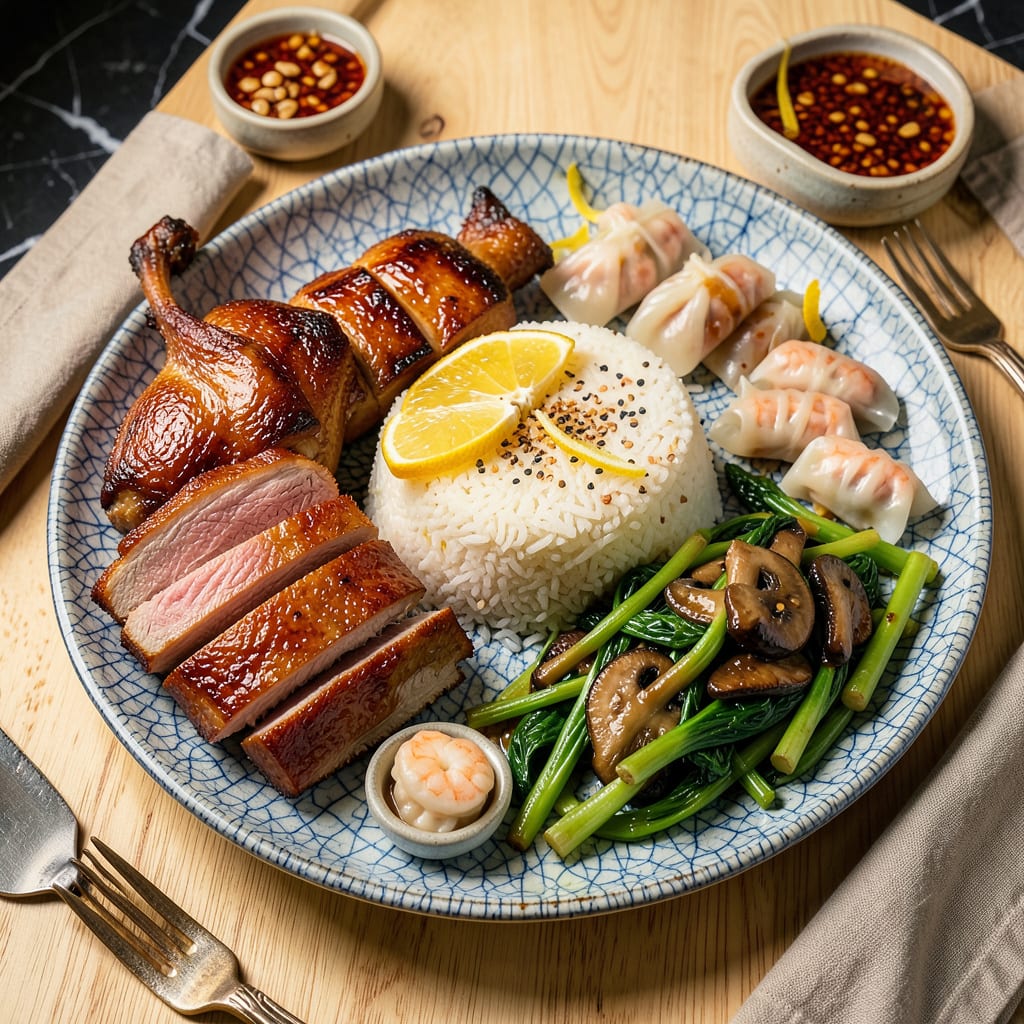
The best Asian cookbooks combine authentic regional recipes with clear instructions, covering everything from Japanese ramen to Thai curries. Look for titles by respected chefs or cultural experts that include step-by-step techniques and ingredient guides for home cooks.
What sets exceptional titles apart is their ability to transport you straight to night markets in Taipei or izakayas in Tokyo. 🌟 I’ve tested dozens, and the standout volumes don’t just list ingredients—they explain why fermented bean pastes vary between Korean and Chinese cuisines, or how rice varieties transform a simple stir-fry. The real game-changers include troubleshooting tips for tricky techniques like making perfect dumpling pleats or balancing the five flavor principles in Vietnamese cooking.
Look beyond pretty photos to authors who’ve actually cooked these dishes in their cultural context. A great cookbook becomes your kitchen mentor, anticipating questions like where to source galangal when your grocery store only carries ginger. The difference between a decent book and an extraordinary one? Those little asides that reveal why a recipe works, not just how to follow it. ✨
💡 In This Article
- What Makes an Asian Cookbook Truly Authentic
- How to Choose the Right Asian Cookbook for Your Kitchen
What Makes an Asian Cookbook Truly Authentic
The secret lies in how deeply the recipes connect to their cultural roots. A truly authentic cookbook doesn’t just list ingredients—it explains why Thai curry pastes require specific chili varieties or how Japanese dashi proportions change with seasons.
I’ve found the most genuine volumes include family stories alongside recipes, like how a grandmother’s technique for folding dumplings differs from restaurant methods. These personal touches preserve traditions that might otherwise disappear in modern kitchens. 🌟
Regional specificity matters more than you’d think. A proper Sichuan cookbook should distinguish between doubanjiang (fermented broad bean paste) and huang doujiang (yellow soybean paste)—they’re not interchangeable! The best authors provide ingredient deep dives, like explaining why Korean gochugaru (chili flakes) comes in coarse and fine grinds, and how each affects flavor.
Look for books that specify regional variations, such as how Vietnamese pho broth differs between Hanoi and Saigon styles.
Technique documentation separates good from great. Authentic cookbooks don’t just say “stir-fry quickly”—they explain the wok hei (breath of the wok) concept and how to achieve it on home stoves. I appreciate volumes that include step-by-step photos for complex processes like making Chinese xiao long bao (soup dumplings) or Indian paratha layers.
The most valuable books anticipate common mistakes, like why your tempura batter might be too dense or how to fix broken Thai coconut curry. ✨
Cultural context transforms recipes into experiences. The finest cookbooks explain the when and why behind dishes—like how moon cakes connect to Mid-Autumn Festival or why Japanese osechi boxes contain specific symbolic foods. I look for authors who share personal anecdotes about eating these dishes in their homeland, which helps recreate the intended experience.
A red flag? Books that treat all Asian cuisines as interchangeable—true authenticity respects each region’s distinct culinary identity.
Ingredient sourcing guidance proves authenticity. The best cookbooks don’t assume you have access to an Asian grocery— they offer practical substitutions with explanations of flavor impacts. For example, they’ll tell you how fish sauce brands vary by country (Thai vs Vietnamese) and when it’s okay to use soy sauce as a substitute.
I value books that include mail-order resources for hard-to-find items like Japanese katsuobushi (dried bonito flakes) or Filipino sinigang mix, making exotic recipes actually achievable. 💫
Chef credentials and research depth are telltale signs. The most authentic cookbooks come from authors who’ve either cooked professionally in the region or conducted extensive field research. I notice when recipes include details like the exact clay pot type for Chinese hot pot or the proper wood charcoal for Korean barbecue.
These specifics indicate firsthand experience rather than secondhand adaptation. The gold standard? Books that include interviews with street vendors or home cooks alongside restaurant chefs’ techniques.
Language preservation adds another authenticity layer. The best cookbooks include original script alongside phonetic pronunciations for dish names and ingredients. I appreciate when authors explain etymology—like how “bulgogi” means “fire meat” in Korean or why “rendang” reflects its slow-cooking process.
This linguistic care shows respect for the cuisine’s heritage and helps readers connect more deeply with the cooking process. 🔥

Trained in classic French technique but raised on slow-cooked ribs and spicy rubs, she blends culinary skill with smoke and soul.
- Recipe for Boneless Pork Chops in Cast Iron Skillet: Sear and Baste to Juicy Perfection - October 3, 2026
- Recipe for Boneless Cross Rib Roast: Slow-Roasted Beef with Herb Crust - October 3, 2026
- Hamburgers in Sauce Recipe Crock Pot: Slow-Cooked Savory Delight - October 3, 2026