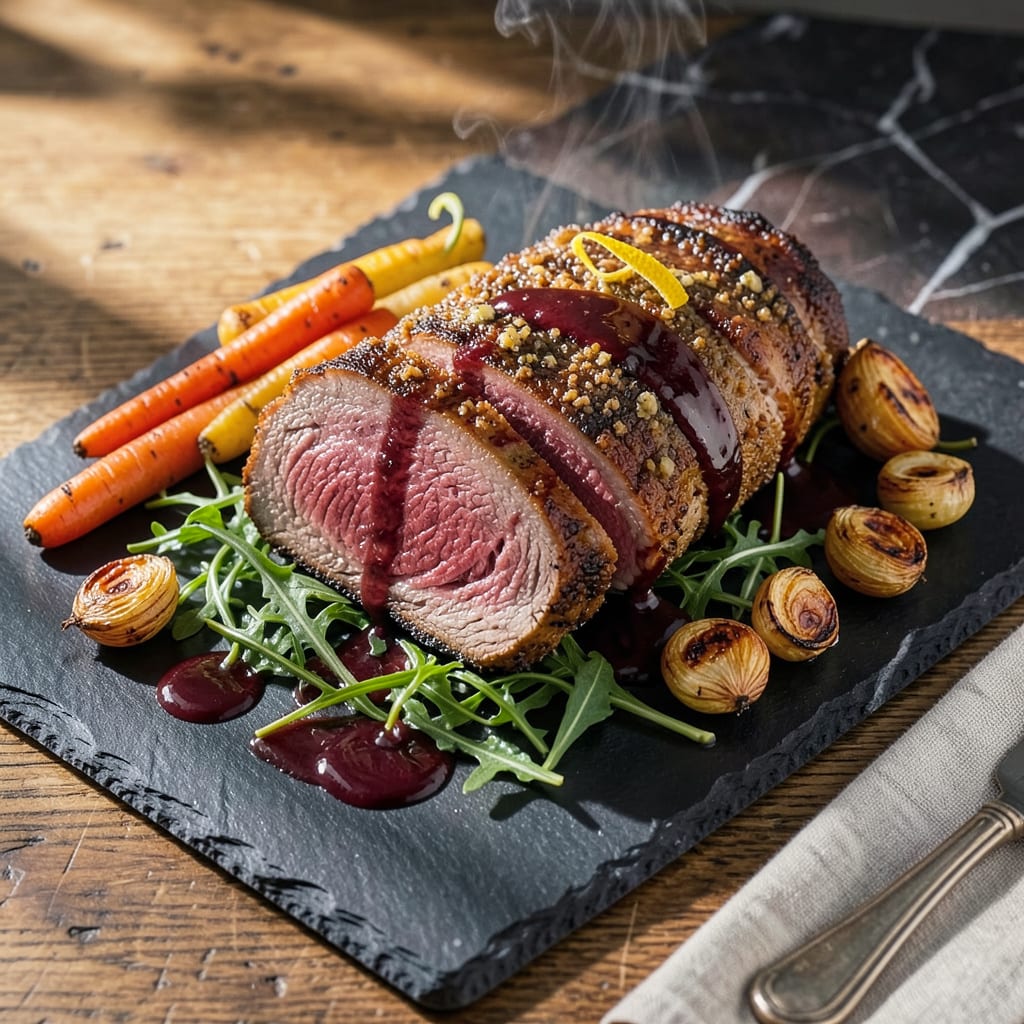
USDA Prime rib comes from the highest quality beef grading, known for exceptional marbling that delivers rich, buttery flavor and tender texture. It’s the top 2-3% of all beef, prized for dry-heat cooking methods like roasting or grilling.
When I first encountered Prime-grade beef, I was amazed by how the intramuscular fat creates those perfect little white streaks throughout the meat. This marbling isn’t just for show—it actually melts during cooking, basting the rib from within and creating that signature juicy, velvety mouthfeel you can’t get with leaner cuts. 🔥 The USDA’s strict grading process evaluates both marbling and maturity, which is why only a small fraction of cattle qualify. For pitmasters like me, this means more forgiving cooking with incredible results, whether you’re doing a slow smoke or a high-heat sear.
💡 In This Article
- How USDA Prime Rib Differs from Choice and Select Grades
- Perfect Cooking Techniques for USDA Prime Rib Roast
How USDA Prime Rib Differs from Choice and Select Grades
The USDA grading system evaluates beef based on two key factors: marbling (fat distribution within the muscle) and maturity (age of the animal). For Prime grade, the marbling must be abundant—meaning those white fat streaks appear frequently and evenly throughout the rib section.
The USDA requires at least 8-13% intramuscular fat for Prime, compared to just 4-7% for Choice. This difference translates directly to flavor and tenderness, as fat melts during cooking to create that signature buttery richness. ✨
What most people don’t realize is that Prime-grade beef comes from younger cattle (typically 9-30 months old) that have been grain-finished for 100-150 days. This controlled diet maximizes marbling development.
Choice grade allows for slightly older animals and less consistent fat distribution, while Select grade (the most common) has minimal marbling and comes from cattle up to 42 months old. The aging process matters too—Prime rib often undergoes 21-28 days of wet aging to further tenderize the meat through natural enzymatic breakdown.
Here’s what this means for your cooking: Prime rib’s high fat content makes it incredibly forgiving. You can cook it to medium-rare (130-135°F internal) and still have juicy results, while Choice might need more careful temperature control.
The fat cap on Prime rib (typically 1/4 to 1/2 inch thick) also provides better insulation during roasting, allowing for more even cooking. I’ve found that Prime develops a deeper crust during searing because the fat renders more completely at high temperatures. 🔥
The rarity of Prime grade (only 2-3% of all beef) comes from strict production requirements. Cattle must be specifically bred for marbling potential, fed high-energy diets, and processed at precise maturity levels. Even within the same herd, only the top-performing animals will qualify.
This explains why you’ll pay 30-50% more for Prime rib compared to Choice—the difference isn’t just grade, but an entirely different level of cattle management and feed quality.
For comparison, consider these marbling scores per square inch:
- Prime: 8-13% fat (visible marbling throughout)
- Choice: 4-7% fat (moderate marbling)
- Select: 2-4% fat (minimal marbling)
When you’re selecting your rib roast, look for creamy white fat (not yellow) and marbling that appears as fine webs rather than large chunks. The bone structure should show bright red meat with fat evenly distributed between the ribs.
This visual inspection tells you more about quality than any label—though with USDA Prime, you’re already guaranteed that top-tier marbling that makes all the difference in flavor and texture. 💫

Trained in classic French technique but raised on slow-cooked ribs and spicy rubs, she blends culinary skill with smoke and soul.
- Recipe for Boneless Pork Chops in Cast Iron Skillet: Sear and Baste to Juicy Perfection - October 3, 2026
- Recipe for Boneless Cross Rib Roast: Slow-Roasted Beef with Herb Crust - October 3, 2026
- Hamburgers in Sauce Recipe Crock Pot: Slow-Cooked Savory Delight - October 3, 2026