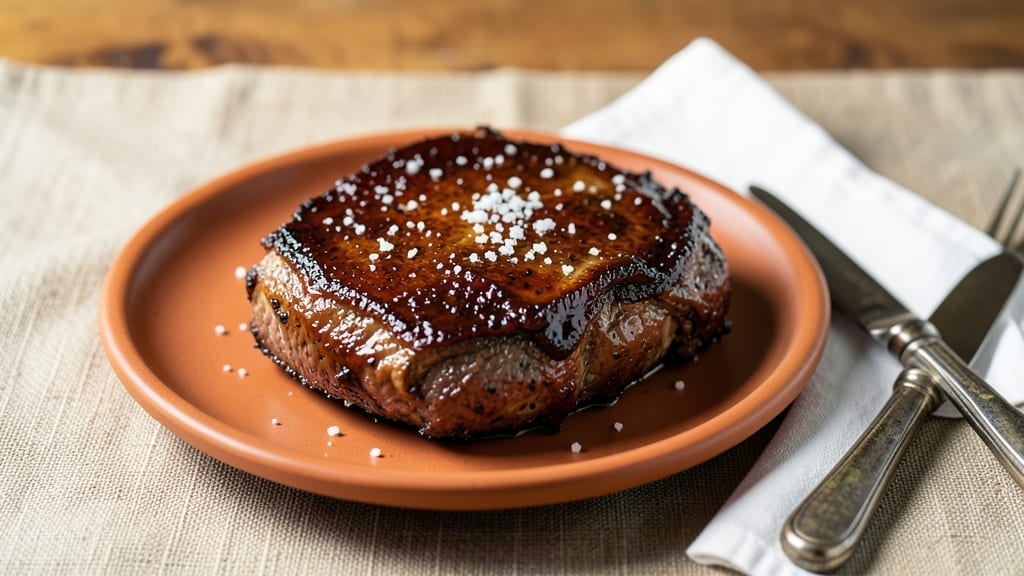
This Atlanta beef brisket recipe delivers the kind of melt-in-your-mouth tenderness that turns casual dinners into legendary gatherings. The secret lies in a 12-hour low-and-slow smoke at 225°F, where pecan wood infuses the meat with deep, smoky sweetness while transforming tough fibers into silky perfection.
I perfected this method after years of trial and error—no shortcuts, just time and patience paying off in every forkful.
The process begins with a dry brine that locks in moisture, followed by a precise trimming technique to ensure even cooking.
Using a meat thermometer becomes your best friend here, as we track progress toward that ideal internal temp of 203°F—where the connective tissue breaks down just enough to create that signature brisket texture.
This isn’t just a recipe; it’s a restaurant-quality experience you can recreate at home with the right technique.
By the time you’re ready to serve, you’ll have thick slices that fall apart at the touch, their smoky aroma filling your kitchen and drawing everyone to the table.
The key lies in proper resting (at least 2 hours) and slicing against the grain, which ensures each bite delivers maximum tenderness. Serve these slices over buttered cornbread with a side of tangy pickled vegetables for the full Southern experience.
This method produces brisket so tender it practically melts, with a deep smoky flavor that lingers long after the last bite. The techniques here—from the dry brine to the precise smoking temperature—have been refined over countless hours to deliver foolproof results every time.
Let’s get started on creating your crowd-pleasing centerpiece.
Ingredients for atlanta beef brisket
A few key ingredients transform tough brisket into melt-in-your-mouth perfection—smoke, patience, and the right wood.
| Ingredient | Amount | Notes |
|---|---|---|
| Beef Brisket 🥩 | 8 lb | Whole packer cut, fat cap intact |
| Kosher Salt 🧂 | ½ cup | For dry brine, coarse preferred |
| Black Peppercorns 🌶️ | 2 tbsp | Freshly cracked, coarse grind |
| Pecan Wood Chips 🌰 | 2 cups | Unsoaked, 100% pure pecan |
| Yellow Onion 🧅 | 1 whole | Large, sliced for rub |
| Garlic Cloves 🧄 | 8 cloves | Peeled, minced for rub |
| Smoked Paprika 🌶️ | 2 tbsp | High-quality, not regular paprika |
| Ground Black Pepper 🌶️ | 1 tbsp | Freshly ground for rub |
| Brown Sugar 🍯 | 2 tbsp | Light or dark, packed |
| Apple Cider Vinegar 🍎 | ½ cup | For spritz, not white vinegar |
| Beef Tallow or Bacon Fat 🥓 | ¼ cup | For spritz, optional but recommended |
| Butter 🧈 | ½ cup | Unsalted, for serving |
| Fresh Parsley 🌿 | ¼ cup | Chopped, for garnish |
| Water 💧 | 1 cup | For spritz, room temperature |
[recipe_ingredient_scaler]
The brisket is non-negotiable—look for a packer cut with a thick fat cap (at least 1/4 inch). Costco or local butchers often carry the best quality, but the meat department at Kroger or H-E-B will have it too. The fat cap is your friend: it renders down during smoking, basting the meat and adding flavor. If yours is too thin, ask the butcher to leave more fat. Pecan wood chips are a must for that signature Atlanta flavor—Traeger or Cookshack brands are reliable, but any 100% pure pecan will work. Avoid pre-soaked chips; they burn too fast.
No pecan wood? Hickory or cherry can substitute, but the flavor won’t be quite the same. The apple cider vinegar in the spritz adds tanginess—Bragg’s is my go-to, but any unfiltered cider vinegar works. For the rub, smoked paprika is essential—regular paprika won’t give you that deep, smoky base. Short on brown sugar? Honey or maple syrup at half the amount works in a pinch, but the caramelization from sugar is key. The beef tallow or bacon fat in the spritz is optional but worth it; if you skip it, just use extra apple cider vinegar. And for the love of brisket, don’t skip the dry brine—it’s what makes the meat stay juicy.
Brisket benefits from a 24-hour dry brine in the fridge, so plan ahead. Once smoked, it needs at least 2 hours resting before slicing—this is non-negotiable. Wrap the cooked brisket in butcher paper or foil, then place it in a cooler with a towel to keep it warm. Leftover brisket? Freeze slices in airtight containers for up to 3 months, or store in the fridge for 5-6 days. The fat cap will solidify as it cools, so slice it off before reheating. And trust me, slicing against the grain is everything—it turns tough fibers into silky bites.
Why You’ll Love This Recipe
- I’ll be real: this recipe makes enough for a small army. But here’s the thing—it’s better the next day. Slice it against the grain, store it in the fridge for up to 5-6 days, and reheat it low and slow. The flavors deepen, and you’ve got a meal ready for busy weeknights or last-minute guests. My kids even ask for seconds on day three. (Yes, even on a Tuesday night.)
- No-Fuss Smoking: Honestly, this isn’t one of those recipes where you’re chopping herbs or standing over the stove for hours. Just slap that 8 lb brisket with the dry brine (coarse kosher salt, cracked peppercorns, and smoked paprika—that’s it), let it chill overnight, and you’re golden. The magic happens in the smoker at 225°F with pecan wood chips, while you relax with a beer. Set your timer for 6 hours, spritz every 2 hours with apple cider vinegar and water, and boom—you’ve got time for a nap.
- Smoky Sweet Perfection: The pecan wood chips give it that rich, nutty smoke, while the onion and garlic wrapped inside the foil during the Texas crutch? Chef’s kiss. That’s the secret to the tender, juicy center with a crispy bark on the outside. Top it with melted butter and parsley, and you’ve got a balance of smoky, sweet, and savory that’ll have you licking your plate. Trust me, this isn’t your average beef brisket.
- Leftovers That Rule: I’ll be real: this recipe makes enough for a small army. But here’s the thing—it’s better the next day. Slice it against the grain, store it in the fridge for up to 5-6 days, and reheat it low and slow. The flavors deepen, and you’ve got a meal ready for busy weeknights or last-minute guests. My kids even ask for seconds on day three. (Yes, even on a Tuesday night.)
Step-by-step instructions for Atlanta beef brisket
Here’s how to create brisket so tender it practically melts in your mouth.
Prepare the Dry Brine for Maximum Flavor
Place the 8 lb beef brisket on a wire rack set over a baking sheet. In a small bowl, combine the ½ cup kosher salt, 2 tbsp black peppercorns, 2 tbsp smoked paprika, 1 tbsp ground black pepper, and 2 tbsp brown sugar. This is your dry brine – the secret weapon for tenderizing and adding depth of flavor.
Generously coat the brisket on all sides with the spice mixture, pressing it into the meat so it adheres well. The fat cap should be especially well-coated. Place the brined brisket in the refrigerator uncovered for 24 hours. This long dry brine period works magic, breaking down tough muscle fibers while allowing the spices to penetrate deeply. Here’s the thing – don’t skip this step. I’ve tried shorter brines, and the difference in tenderness is night and day.
Smoke the Brisket Low and Slow
Fill a smoker with 2 cups pecan wood chips and preheat to 225°F. Once the smoker reaches temperature and you see clean, blue smoke, place the brined brisket fat-side up on the smoker grates. The fat cap will render and baste the meat as it cooks, creating that beautiful bark we all love.
Let the brisket smoke undisturbed for 6 hours. During this time, you’ll want to spritz it every 2 hours with a mixture of ½ cup apple cider vinegar, ¼ cup beef tallow or bacon fat, and 1 cup water. This keeps the surface moist and helps create that perfect bark. The internal temperature should reach 165-170°F by this point, but don’t be alarmed if the temperature stalls – this is normal and part of the process.
Wrap and Finish the Cook
When the brisket hits the stall and the internal temperature reaches 165-170°F, it’s time to wrap. In a large piece of heavy-duty aluminum foil, combine 1 sliced yellow onion and 8 minced garlic cloves. Place the brisket on top of the aromatics, then tightly wrap the foil around it. This technique, known as the Texas crutch, helps push the brisket through the stall while maintaining moisture.
Return the wrapped brisket to the smoker and continue cooking until the internal temperature reaches 203°F. This usually takes another 4-6 hours. The probe should slide in like butter with no resistance. Once done, transfer the brisket to a cutting board and let it rest for 1 hour before slicing. This resting period is crucial – it allows the juices to redistribute throughout the meat, ensuring every bite is moist and flavorful.
Slice and Serve with Butter and Parsley
Unwrap the brisket and locate the grain direction. Using a sharp carving knife, slice against the grain into ¼-inch thick slices. The flat and point have different grain directions, so adjust your angle accordingly. Serve the sliced brisket immediately, topped with ½ cup melted butter and garnished with ¼ cup chopped fresh parsley. The butter adds richness and helps carry the brisket’s smoky flavors, while the parsley adds a bright, fresh contrast.
Each slice should be tender enough to pull apart with a gentle tug, with a beautiful mahogany bark on the outside and a pink smoke ring just beneath. This is the moment you’ve been waiting for – brisket that’s so tender it practically melts in your mouth, with layers of smoky, sweet, and savory flavors that will have everyone asking for seconds.
Pro Tips For Making Atlanta Beef Brisket
- Crack Those Peppercorns: I used to just grind black peppercorns in a cheap spice grinder, but that leaves behind bitter bits. Grab a mortar and pestle or a dedicated pepper mill—press those corns until they’re coarsely cracked, not powdered. The texture matters more than you’d think for that deep, smoky crunch in every bite.
- Don’t Rush the Stall: The brisket will stall at 165–170°F, and I know the urge to poke it every five minutes is real. Resist. Wrap it tight with the onion and garlic when it hits that range, then walk away. The stall is your friend—it’s where the collagen turns to gelatin, making the meat fork-tender. Trust the process, even if your thermometer feels like it’s lying to you.
- Spritz Like a Pro: Mix the apple cider vinegar, beef tallow, and water right before spritzing—don’t prep it hours ahead. Cold spritzes shock the meat, and stale tallow smells like a grease trap. Use a spray bottle with a fine mist setting, not a stream. You’re not watering a garden; you’re waking up the bark and keeping it glossy.
- Slice Against the Grain (Really): The flat and point cut against the grain differently, and I’ve sliced both wrong more times than I’ll admit. Lay the brisket flat, find the muscle fibers running diagonally, then angle your knife perpendicular to them. If your slices look like they’re fighting you, you’re doing it right—they should pull apart like wet tissue paper. No shortcut here.
Perfect pairings for this atlanta beef brisket
Southern Sides
No Atlanta brisket is complete without buttery cornbread that soaks up every smoky juices. I recommend a 10-inch cast-iron skillet cornbread with ½ cup melted butter and ¼ cup honey swirled in—it becomes crispy on the edges and tender inside.
For extra indulgence, serve it with peach butter or whipped honey butter. The contrast of sweet and savory elevates each bite. 🌽
Tangy Pickled Veggies
A quick-pickle mix of ½ cup apple cider vinegar, ¼ cup water, 1 tbsp sugar, and 1 tsp mustard seeds with sliced red onions and carrots adds bright acidity.
Let them soak for 2 hours before serving—the crunch cuts through the richness perfectly. I always keep a jar of these on hand for any brisket meal. 🥒
Smoky BBQ Sauce
Drizzle your sliced brisket with ½ cup homemade BBQ sauce (I use Sweet Baby Ray’s for authenticity) mixed with 1 tbsp apple cider vinegar to balance sweetness.
The smoky, slightly tangy sauce complements the pecan wood flavor beautifully. For extra depth, add 1 tsp liquid smoke to the sauce before serving. 🍯
Creamy Mac and Cheese
Creamy, cheesy mac and cheese is a Southern staple that pairs surprisingly well with brisket. Use ½ lb elbow macaroni cooked in 2 cups whole milk with 2 cups shredded sharp cheddar and ½ cup cream cheese.
Top with ¼ cup grated Parmesan and broil until golden. The richness balances the smoky meat. 🧀
Fresh Garden Salad
For a lighter option, toss 4 cups mixed greens with ¼ cup red wine vinegar, ½ cup olive oil, 1 tbsp Dijon mustard, and 1 tsp honey.
Add ½ cup sliced cucumbers and ¼ cup crumbled feta. The freshness cuts through the smoky richness without overpowering it. 🥗
Nutrition facts
Frequently asked questions
Why does the dry brine step take 24 hours for Atlanta-style brisket?
The 24-hour dry brine is essential for breaking down tough muscle fibers while infusing deep flavor into the meat. This long soak allows the spices to penetrate fully, ensuring a juicy, tender result that’s signature to Atlanta-style brisket. Skipping this step can leave your brisket dry and flavorless, so patience here pays off big time!
What if my smoker temperature fluctuates during cooking?
Fluctuations are normal, but try to keep the smoker as close to 225°F as possible. If it dips below 200°F, the bark may not develop properly. Use a good quality meat probe and monitor the brisket’s internal temp—it’s more reliable than relying solely on smoker temp. A chimney starter or extra wood chips can help stabilize heat.
How do I know when to wrap the brisket in foil?
Wrap when the brisket hits the stall (internal temp stalls around 165-170°F for 2+ hours). This is when it stops gaining temp and needs the “Texas crutch” (foil + aromatics) to push through. Wrapping too early can make the bark soggy, while waiting too long risks drying out the meat. Patience here is key!
Can I use a different wood besides pecan for smoking?
Pecan is ideal for that classic Atlanta flavor, but hickory or cherry work in a pinch. Avoid fruitwoods like apple or oak, as they can overpower the beefy taste. If using another wood, soak the chips for 30 minutes first to prevent flare-ups. The flavor will differ slightly, but the brisket will still turn out tender!

Trained in classic French technique but raised on slow-cooked ribs and spicy rubs, she blends culinary skill with smoke and soul.
- Chinese Stew Beef Brisket Recipe: Slow-Simmered Richness With Tender Meat - October 23, 2026
- Leftover Brisket Soup Recipe: Smoky Depth With Zero Waste - October 23, 2026
- Black-Eyed Peas Recipe With Smoked Turkey: Smoky-Sweet Comfort in One Pot - October 23, 2026