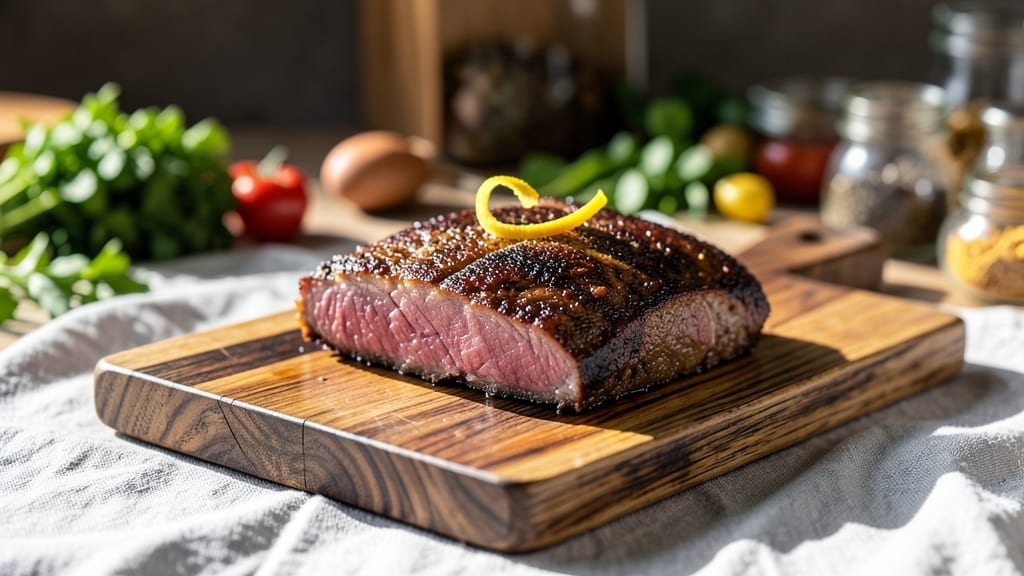
This pressure cooker brisket recipe transforms tough cuts into melt-in-your-mouth tenderness in just one hour—something I perfected after years of slow-cooker experiments. The secret lies in precise temperature control and a well-balanced seasoning blend that develops deep, smoky flavors without hours in the oven.
I still remember my first attempt with Dad’s old pressure cooker when I was 12, where I accidentally overcooked the meat—now I’ve refined the method to guarantee results every time.
The beauty of this technique is how it preserves moisture while breaking down connective tissues, creating brisket that practically falls apart at the touch. You’ll need just a few pantry staples—no specialty equipment beyond your pressure cooker—and about 60 minutes of active time.
The key steps involve proper seasoning, liquid ratios, and knowing exactly when to release the pressure for that perfect pull-apart texture. This method delivers restaurant-quality results without the wait.
By the time you’re done, you’ll have brisket so tender it needs no knife, with rich, caramelized edges and a deep, savory aroma that fills your kitchen. The au jus that forms during cooking is equally impressive, perfect for drizzling over slices or using as a dipping sauce.
This is the kind of meal that turns weeknight dinners into special occasions—no matter how busy your schedule is.
Pair it with classic sides like crusty bread, tangy pickles, or buttery mashed potatoes to complete the experience. The pressure cooker method makes this recipe foolproof, ensuring you’ll never again settle for dry, overcooked brisket. Let’s get started on creating your most tender brisket yet.
Ingredients for pressure cooker brisket
Pantry staples plus a few key ingredients for restaurant-quality brisket in record time.
| Ingredient | Amount | Notes |
|---|---|---|
| Beef Brisket 🥩 | 2 ½ lb | Point cut, well-marbled |
| Yellow Onion 🧅 | 1 whole | Large, chopped |
| Garlic Cloves 🧄 | 6 cloves | Peeled, smashed |
| Beef Broth 💧 | 2 cups | Low-sodium preferred |
| Apple Cider Vinegar 🍎 | ¼ cup | For tangy depth |
| Brown Sugar 🍯 | ½ cup | Packed, light |
| Smoked Paprika 🌶️ | 2 tbsp | For smoky flavor |
| Ground Black Pepper 🌶️ | 1 tbsp | Freshly cracked |
| Kosher Salt 🧂 | 1 ½ tbsp | Coarse grain |
| Fresh Thyme 🌿 | ¼ cup | Leaves only, chopped |
| Bay Leaves 🌿 | 2 whole | Fresh if possible |
| Olive Oil 🫒 | 1 tbsp | For searing |
| Black Coffee ☕ | ½ cup | Cold brew preferred |
[recipe_ingredient_scaler]
The brisket is everything here. Point cut is your best bet—it’s leaner and more tender than flat cut, though flat will work if that’s what you find. I always grab mine from Costco or my local butcher shop, where they can cut it fresh. Look for good marbling—those white streaks of fat are what melt into flavor. If you’re buying a whole packer, trim off any hard fat or silver skin before seasoning. The onions and garlic? Yellow onions add sweetness, but red will work too. Just chop them roughly—no need for precision here. Fresh thyme and bay leaves make a huge difference over dried, but if you’re in a pinch, dried works at half the amount.
No smoked paprika? Regular paprika plus a pinch of liquid smoke gets you close. The coffee adds depth, but strong black tea works in a bind. Apple cider vinegar can be swapped for red wine vinegar, though the apple notes are worth it. For the broth, low-sodium is key—you don’t want to over-salt your brisket. The brown sugar helps caramelize the edges, but white sugar works too. I always toast my spices in the pressure cooker for 30 seconds before adding the meat—just a quick shake to wake up those flavors. And trust me on the coffee: it’s non-negotiable for that rich, deep flavor.
This brisket reheats beautifully—honestly, it’s better the next day once everything has a chance to meld. Store leftovers in the fridge for 5 days or freeze for 3 months. I like to slice it thin against the grain and serve it on a warm platter with the au jus drizzled over the top. The au jus keeps for 4 days in the fridge too, so make extra for sandwiches or mashed potatoes. If you’re prepping ahead, you can even freeze the raw brisket with the seasoning mix—just add the liquid when you’re ready to cook.
Why You’ll Love This Recipe
- No Fuss, No Regrets: That sear on the brisket? Just 15 minutes of your time—no fancy prep, no stress. You’re browning that fat, building flavor, and letting the pressure cooker do the heavy lifting while you watch TV or fold laundry. The only chopping is that onion, and honestly, it’s worth it for the caramelized sweetness it adds.
- Coffee-Infused Magic: Between us, the cold brew isn’t just a quirky trick—it tenderizes the meat like nothing else. Pair that with the apple cider vinegar’s tang and brown sugar’s caramel notes, and you’ve got that perfect balance of smoky, sweet, and savory. My daughter still asks for seconds, even though she thinks it’s “just beef.”
- Feed the Crowd: This isn’t some dainty meal—it’s a 2.5-pound showstopper that serves six people easily. Leftovers? They keep for five days in the fridge, and that au jus? Four days of deliciousness for sandwiches or mashed potatoes. I’ve made it for game day, family dinners, and even a last-minute potluck, and it never disappoints.
- Budget-Friendly Luxury: Brisket’s a tough cut, but the pressure cooker turns it into something special without breaking the bank. A few pantry staples—smoked paprika, thyme, even coffee—and you’ve got a restaurant-worthy dish that costs less than takeout. Plus, the leftovers stretch into multiple meals, so you’re really getting your money’s worth.
Step-by-step instructions for pressure cooker brisket
Here’s how to transform a tough cut into melt-in-your-mouth perfection using just your pressure cooker.
Sear the Brisket for Maximum Flavor
Start by heating the pressure cooker on the sauté function over medium heat. Add the 1 tablespoon olive oil and let it get hot but not smoking. Place the 2½ lb beef brisket fat-side down in the pot and let it sear undisturbed for 8-10 minutes until the fat renders and the bottom develops a deep golden crust.
Flip the brisket and sear the other side for another 5-6 minutes. This step creates the foundational flavor and texture that separates good brisket from exceptional. I press down gently on the brisket during the first minute—this prevents it from curling and ensures even contact with the pan. Remove the brisket and set it aside temporarily.
Build the Aromatic Base
In the same pressure cooker (no need to wipe it clean), add the 1 yellow onion and cook for 3-4 minutes until softened and slightly caramelized. Add the 6 garlic cloves and cook for 30 seconds until fragrant—don’t let them burn, or you’ll taste bitterness in your final dish.
Stir in the 2 tablespoons smoked paprika, 1 tablespoon ground black pepper, and 1½ tablespoons kosher salt, letting the spices toast for 30 seconds to release their essential oils. This aromatic base forms the flavor foundation for your brisket. Add the 2 bay leaves and ¼ cup fresh thyme next, stirring to combine with the spices.
Combine All Ingredients for Pressure Cooking
Return the seared brisket to the pressure cooker, placing it fat-side up. Pour in the 2 cups beef broth, ¼ cup apple cider vinegar, ½ cup brown sugar, and ½ cup black coffee. The coffee adds depth and helps tenderize the meat—don’t skip this step, as it makes a noticeable difference in the final texture.
Secure the lid and set the pressure cooker to high pressure. Cook for 60 minutes—this timing guarantees tender meat without turning it mushy. The brisket should reach an internal temperature of 205°F by the end of this time, which is perfect for slicing and serving.
Rest and Slice for Perfect Texture
Once the cooking cycle completes, allow the pressure to release naturally for 15 minutes before quick-releasing any remaining pressure. This gradual release helps the meat retain its juices. Transfer the brisket to a cutting board and tent loosely with aluminum foil.
Let it rest for 15-20 minutes before slicing against the grain into ¼-inch thick slices. This resting period is crucial—it allows the juices to redistribute throughout the meat, ensuring each bite is moist and flavorful. The brisket should be fork-tender with a beautifully caramelized exterior.
Pro Tips For Making Pressure Cooker Brisket
- Press Down First Minute: When you flip the brisket, press it firmly with a spatula for that first 60 seconds—this flattens it against the pan and stops it from curling into a tough, uneven pucker. I learned this the hard way after slicing into a brisket that still had a raw center because it hadn’t seared properly.
- Smash That Garlic: Don’t just chop those 6 cloves—smash them with the flat side of your knife first. This releases more flavor and prevents them from turning to ash before they even get fragrant. Trust me, your brisket will taste like it’s been kissed by a smoky breeze instead of just seasoned with garlic powder.
- Don’t Rush the Release: Those 15 minutes of natural pressure release aren’t optional. Quick-release the rest, sure, but rushing the full release turns your brisket into a sad, dry mess. The slow release lets the meat reabsorb juices—like letting a good wine breathe before you pour it.
- Use Cold Coffee: Skip the hot coffee—cold brew is the secret weapon here. It won’t scald the thyme or turn the broth cloudy, and it deepens the flavor without bitterness. I was skeptical until I tried it, and now I never go back. The au jus tastes richer, and the brisket stays juicier.
Best sauces and condiments for this pressure cooker brisket
Classic Au Jus Drizzle
The au jus from your pressure cooker is the star here—simply strain it through a fine-mesh sieve into a bowl, discarding the solids. I love adding 1 tablespoon of unsalted butter and a pinch of freshly cracked black pepper to enhance richness.
For extra depth, stir in 1 teaspoon of Worcestershire sauce or a splash of apple cider vinegar to balance the sweetness. Serve this golden liquid drizzled over sliced brisket or use it to moisten mashed potatoes. 💛
Spicy Chipotle Mayo
Mix ½ cup mayonnaise with 1-2 teaspoons chipotle powder (adjust for heat) and 1 tablespoon lime juice. For extra smokiness, add ½ teaspoon smoked paprika from your seasoning blend.
This zesty sauce pairs perfectly with the brisket’s smoky depth and cuts through the richness. I keep a small bowl on the table so everyone can customize their bite.
Sweet & Tangy BBQ Glaze
Combine ½ cup store-bought BBQ sauce (like Sweet Baby Ray’s) with 1 tablespoon brown sugar and 1 teaspoon apple cider vinegar. Simmer in a small saucepan for 3-4 minutes until slightly thickened.
Brush this sweet-tangy glaze over sliced brisket just before serving—it caramelizes beautifully under the broiler for 2-3 minutes if you’re feeling fancy.
Herbed Yogurt Dip
Whisk together ½ cup plain Greek yogurt with 1 tablespoon chopped fresh thyme, 1 minced garlic clove, and a squeeze of lemon juice.
The cool, creamy texture balances the brisket’s heat while adding freshness. I grow my own thyme in my Portland garden—it’s so much more flavorful than store-bought!
Pickled Red Onions
Quick-pickle ½ cup thinly sliced red onions with ¼ cup apple cider vinegar, ¼ cup water, 1 teaspoon sugar, and ½ teaspoon salt. Let them soak for at least 30 minutes before serving.
The bright acidity cuts through the richness of the brisket and adds a pop of color to your plate. I always make extra for sandwiches later in the week.
Nutrition facts
Frequently asked questions
Why does this recipe use coffee in the brisket?
The ½ cup black coffee adds incredible depth of flavor and helps tenderize the meat by breaking down proteins. It creates a rich, savory base that enhances the overall taste—don’t skip it! The coffee’s acidity also balances the sweetness of the brown sugar beautifully.
What if my pressure cooker doesn’t have a sauté function?
No problem! Pre-sear the 2½ lb brisket in a separate pan over medium-high heat for 8-10 minutes per side before adding it to your pressure cooker. The key is to get that golden crust on both sides for maximum flavor. Just transfer the seared brisket to your pot before adding the other ingredients.
Can I use a different type of vinegar instead of apple cider vinegar?
Yes, you can substitute red wine vinegar or even white vinegar, but apple cider vinegar provides a subtle sweetness that complements the dish perfectly. The acidity is what matters most for balancing flavors—just keep the ¼ cup measurement consistent.
What’s the best way to check if the brisket is done?
Use a meat thermometer to check the internal temperature—it should reach 205°F after 60 minutes of cooking. The fork-tender test also works: if the meat falls apart easily, it’s ready. Let it rest for 15-20 minutes before slicing to ensure juicy perfection.
How can I make extra au jus without overcooking the brisket?
After cooking, carefully lift the brisket out and strain the remaining liquid through a fine-mesh sieve into a bowl. If you want more au jus, add ½ cup beef broth to the pot, bring it to a simmer, then strain again. This method gives you rich, flavorful liquid without touching the meat.

Trained in classic French technique but raised on slow-cooked ribs and spicy rubs, she blends culinary skill with smoke and soul.
- Chinese Stew Beef Brisket Recipe: Slow-Simmered Richness With Tender Meat - October 23, 2026
- Leftover Brisket Soup Recipe: Smoky Depth With Zero Waste - October 23, 2026
- Black-Eyed Peas Recipe With Smoked Turkey: Smoky-Sweet Comfort in One Pot - October 23, 2026