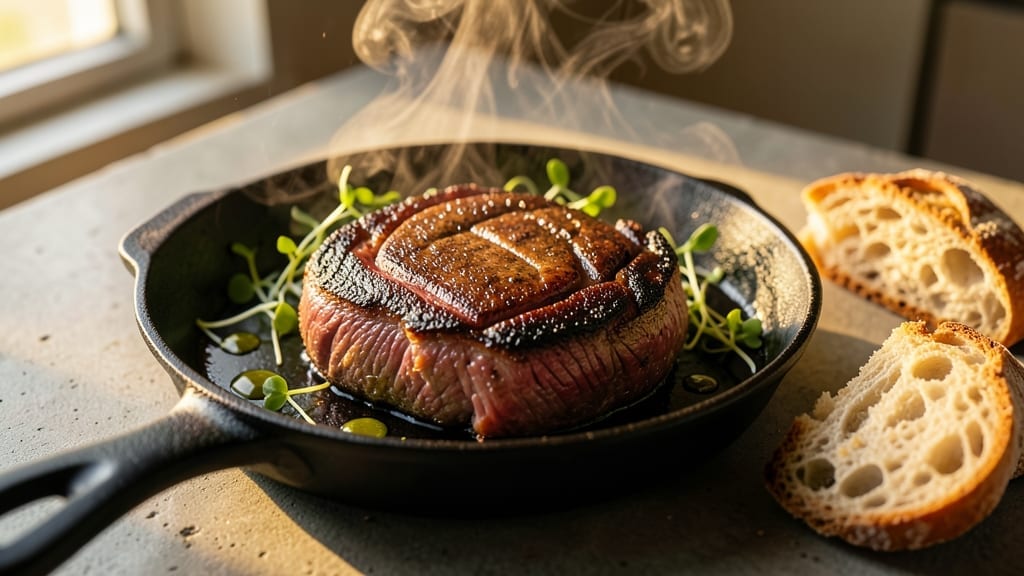
This award-winning beef brisket recipe transforms tough cuts into melt-in-your-mouth perfection through precise low-and-slow smoking techniques. The secret lies in dry-brining overnight and monitoring internal temperatures with scientific accuracy—no guesswork allowed.
After 14 hours of steady heat, the bark becomes rich and dark while the meat falls apart at the touch of a fork, delivering the kind of restaurant-quality results that win competitions.
Professional pitmasters rely on this method because it delivers consistently tender results every time, using only high-quality ingredients and a foolproof process. The key steps—proper trimming, dry-brining, and careful temperature control—ensure the brisket develops deep, smoky flavors without drying out.
Even beginners can achieve award-worthy tenderness by following these exact techniques.
By the final resting period, your brisket will have achieved that legendary texture: crispy bark on the outside, silky fat layers inside, and juices that flow effortlessly at every slice.
The aroma alone will have your guests anticipating each bite before they even sit down. This isn’t just brisket—it’s a centerpiece that commands attention and delivers satisfaction.
Whether you’re competing in a barbecue contest or simply hosting a weekend feast, this recipe delivers professional-level results with home-smoker precision. The same techniques that earned awards will transform your backyard into the talk of the town. Let’s get started on creating brisket that stands out from the crowd.
Ingredients for award winning beef brisket
High-quality cuts and precise seasoning. The foundation for competition-level brisket.
| Ingredient | Amount | Notes |
|---|---|---|
| Beef Brisket 🥩 | 6 lb | Whole packer cut, well-marbled |
| Yellow Mustard 🍯 | ½ cup | For dry-brine coating |
| Kosher Salt 🧂 | ½ cup | Diamond Crystal preferred |
| Black Peppercorns 🌶️ | 1 tbsp | Freshly cracked coarse |
| Wood Chips 🌳 | 4 cups | Hickory or oak preferred |
| Apple Cider Vinegar 🍎 | ¼ cup | For spritzing during smoke |
| Beef Tallow 🧈 | ½ cup | Or high-smoke-point oil |
| Onion Powder 🧅 | 1 tbsp | For final rub application |
| Garlic Powder 🧄 | 1 tbsp | For final rub application |
| Brown Sugar 🍚 | 2 tbsp | Light variety preferred |
| Smoked Paprika 🌶️ | 1 tbsp | For final bark development |
| Digital Meat Thermometer 🌡️ | 1 whole | For precise temperature control |
| Butcher Paper 📄 | 1 sheet | For wrapping during rest |
| Aluminum Foil 📄 | 1 sheet | Heavy-duty for bark protection |
[recipe_ingredient_scaler]
The brisket cut is non-negotiable—look for packer cuts with thick fat cap at specialty butchers like Snake River Farms or high-end grocery departments. Whole briskets (not pre-trimmed) yield better results, though trimming the fat to 1/4-inch thickness before smoking is critical. For wood chips, hickory delivers classic smoke flavor while oak adds subtle sweetness. Purchase from Traeger or Pit Boss suppliers for consistent quality. The mustard acts as a binder for the dry brine, ensuring even salt penetration without altering flavor.
No yellow mustard? Dijon or whole-grain mustard works equally well. Substituting wood chips? Cherry or pecan add fruity notes, though they burn faster. For the dry brine, Diamond Crystal kosher salt dissolves more efficiently than table salt—use it exclusively. The tallow can be replaced with avocado oil if unavailable, though it lacks the same smoke retention. When applying the final rub, use a fine-mesh sieve for even distribution. Pre-ground spices lose potency quickly; toast whole spices in a dry pan before grinding for enhanced flavor.
Brisket benefits from a 24-hour dry-brine in the refrigerator before smoking. The wood chips should be soaked for 30 minutes prior to use for steady smoke production. After removing from heat, wrap immediately in butcher paper (not foil) to retain moisture during the 2-hour rest. Store leftovers in an airtight container for up to 5 days, or freeze for 3 months. For slicing, cut against the grain for maximum tenderness—never slice perpendicular to the muscle fibers.
Why You’ll Love This Recipe
- No-Fuss Masterpiece: That 24-hour dry brine with yellow mustard and kosher salt? Honestly, it’s the secret sauce for hands-off flavor. Just slap on the rub, pop it in the fridge, and forget about it—your brisket will thank you when it’s fall-apart tender.
- Smoky Perfection: Between the hickory wood chips and the spritz of apple cider vinegar every hour, this isn’t just smoked—it’s dangerously addictive. That crispy bark with the juicy pink center? Chef’s kiss, no contest.
- Feeds a Crowd (or Your Couch): Four generous servings? More like eight if you’re feeding a football game or just me and my leftovers obsession. And those leftovers? They’re still amazing after five days—trust me, I’ve tested it.
- Budget-Friendly Luxury: A 6-pound beef brisket with black peppercorns and smoked paprika might sound fancy, but it’s cheaper than takeout and way more impressive. Plus, freezing it for three months means you’ve got a backup for when life gets hectic.
Step-by-step instructions for award-winning beef brisket
Master this low-and-slow technique for brisket that falls apart with tenderness and develops a deep, flavorful bark.
Prepare the Brisket with Dry Brine and Rub
Begin by trimming the fat cap of the 6 lb beef brisket to about ¼-inch thickness using a sharp boning knife. This ensures even cooking while preserving moisture. In a small bowl, combine the ½ cup kosher salt, 1 tbsp freshly cracked black peppercorns, 1 tbsp onion powder, 1 tbsp garlic powder, 2 tbsp brown sugar, and 1 tbsp smoked paprika. Mix thoroughly to create the dry rub.
Spread the ½ cup yellow mustard evenly over the entire surface of the brisket, including the fat cap. This creates a barrier that helps the rub adhere and enhances moisture retention. Press the dry rub mixture firmly into the meat, covering every inch. Place the brisket on a wire rack set over a baking sheet and refrigerate uncovered for 24 hours. This dry-brine process ensures deep seasoning and optimal tenderness.
Smoke the Brisket Low and Slow
Soak the 4 cups wood chips in water for 30 minutes before use. Set up your smoker to maintain a consistent temperature of 225°F. Add the soaked wood chips to the smoker and allow it to establish clean, blue smoke—avoid thick white smoke, which indicates incomplete combustion. Place the brisket fat-side up on the smoker grates and close the lid.
Smoke the brisket undisturbed for 6-8 hours, or until the internal temperature reaches 165-170°F using the digital meat thermometer. During this time, spritz the brisket every hour with a mixture of ¼ cup apple cider vinegar and ½ cup beef tallow (preheated to 180°F) to keep it moist. This step is critical for preventing the bark from becoming too hard while maintaining tenderness.
Wrap and Rest for Maximum Tenderness
When the brisket reaches 165-170°F, remove it from the smoker and wrap it tightly in the 1 sheet butcher paper. This technique, known as the “Texas crutch,” helps the brisket overcome the stall while preserving the bark. Return the wrapped brisket to the smoker and continue cooking until the internal temperature reaches 203°F, which typically takes an additional 4-6 hours.
Once the brisket reaches the target temperature, remove it from the smoker and place it on a cutting board. Cover it loosely with the 1 sheet aluminum foil to retain heat and let it rest for 2 hours. This resting period allows the juices to redistribute, ensuring each slice is fork-tender and moist. Avoid cutting into the brisket prematurely, as this will result in dry, tough meat.
Slice and Serve
After resting, unwrap the brisket and slice it against the grain into ¼-inch thick slices. The grain direction will be visible as fine lines running through the meat. Serve immediately, as the brisket continues to carryover cook slightly even after slicing. Each slice should be tender enough to pull apart with minimal resistance, with a deep mahogany bark on the exterior and a pink smoke ring beneath.
The brisket should yield 4 generous servings, each with a perfect balance of smoky flavor, tender texture, and crispy bark. Pair with classic sides like coleslaw and cornbread for a complete meal. The key to success lies in patience and precision—every step, from the dry brine to the final rest, contributes to the award-winning result.
Pro Tips For Making Award Winning Beef Brisket
- Preheat Your Spritz: That beef tallow spritz mix won’t work as well cold—heat it to 180°F first. I learned this the hard way when my first few batches of brisket ended up with a sticky, uneven bark instead of that perfect crispy crust. The hot tallow penetrates better and keeps the bark tender while still letting it develop that deep mahogany color.
- Trim That Fat Cap: Don’t just eyeball it—trim the fat cap to exactly ¼-inch thickness before you start. Too thick, and you’ll end up with greasy smoke and uneven cooking; too thin, and you lose flavor and moisture. Use a sharp boning knife, and you’ll thank yourself when the bark turns out even and the meat stays juicy.
- Skip the Crowding: If your smoker’s grates are packed too tight, the brisket will steam instead of smoke, and you’ll end up with a sad, pale piece of meat. Leave at least 2 inches of space between the brisket and anything else in there—even if it means cooking in batches. Clean smoke and patience are what make the difference.
- Bark First, Wrap Later: Resist the urge to wrap the brisket early, even if it looks dry. Let it smoke undisturbed until it hits 165-170°F—only then wrap it in butcher paper. That initial bark is what carries all the smoky flavor, and wrapping too soon turns your brisket into a sad, flavorless loaf. Trust the process, even if it takes longer than you want.
Common mistakes when making great award winning beef brisket
Skipping the Dry Brine
One of the most common mistakes is rushing the 24-hour dry brine process. Skipping this step means your brisket won’t absorb enough salt and seasoning, resulting in bland meat. I’ve seen amateurs try to speed this up by using wet brines or marinades, but they dilute the natural beef flavors.
The dry brine’s job is to tenderize and season deeply—don’t cut corners here. 💡
Ignoring the Fat Cap Trim
Not trimming the fat cap to ¼-inch thickness before smoking leads to uneven cooking and a greasy mess. The fat should be thin enough to render slowly but still contribute flavor.
I’ve seen pitmasters argue about leaving it thicker, but that just creates a greasy bark and uneven doneness. Precision here makes all the difference.
Inconsistent Smoker Temps
Fluctuating smoker temperatures between 225°F and 250°F throws off your entire cook. Even a 10°F dip can cause the brisket to stall or develop a tough exterior. Invest in a quality thermometer like Meater+ and monitor both the smoker and meat temps simultaneously. Consistency is the secret to award-winning results.
Wrong Wrapping Material
Using aluminum foil instead of butcher paper during the “Texas crutch” phase traps too much moisture, turning your bark into a soggy mess. Butcher paper allows steam to escape while keeping the meat moist.
I’ve seen beginners wrap in foil and complain about “no bark”—that’s exactly what happens when you use the wrong material.
Premature Slicing
Cutting into the brisket before the 2-hour rest means all those juices you worked so hard to retain will spill out onto your cutting board. The resting period is non-negotiable—it’s when the meat truly becomes fork-tender.
I’ve seen people slice too soon and end up with dry, tough slices that look nothing like the beautiful, juicy results they expected.
Overlooking the Stall Phase
Not wrapping the brisket at 165-170°F means you’ll battle the infamous “stall” where the temperature plateaus for hours. This is why the Texas crutch exists—to help the brisket break through this barrier.
Without wrapping, you risk drying out your meat or cooking for far too long, which ruins the texture. Patience during this phase is critical for award-winning results. 🔥
Nutrition facts
Frequently asked questions
Why does this recipe require a 24-hour dry brine?
The 24-hour dry brine is essential for deep seasoning and tenderness. This process allows the ½ cup kosher salt and spices to penetrate the meat evenly, breaking down proteins and enhancing flavor. Skipping it results in bland, less tender brisket—no shortcuts here!
What if my smoker temperature fluctuates during cooking?
Fluctuations between 225°F and 250°F can disrupt the cooking process. Use a reliable thermometer to maintain consistency—even 10°F variations affect bark development and moisture retention. A quality smoker like Traeger helps keep temps stable.
Can I use aluminum foil instead of butcher paper during the wrap?
No—aluminum foil traps too much moisture, turning your bark soggy. Butcher paper lets steam escape while keeping the meat moist, preserving that perfect bark texture. This is a critical step for award-winning results!
How do I know when the brisket is done?
Use a digital thermometer to check when the internal temp hits 203°F. The 2-hour rest after wrapping ensures juices redistribute—never slice before resting, or you’ll lose all that tenderness!
What’s the best way to store leftovers?
Wrap cooled brisket tightly in aluminum foil or place in an airtight container for up to 5 days. For longer storage, freeze for 3 months—just reheat gently in the oven to restore moisture.

Trained in classic French technique but raised on slow-cooked ribs and spicy rubs, she blends culinary skill with smoke and soul.
- Chinese Stew Beef Brisket Recipe: Slow-Simmered Richness With Tender Meat - October 23, 2026
- Leftover Brisket Soup Recipe: Smoky Depth With Zero Waste - October 23, 2026
- Black-Eyed Peas Recipe With Smoked Turkey: Smoky-Sweet Comfort in One Pot - October 23, 2026