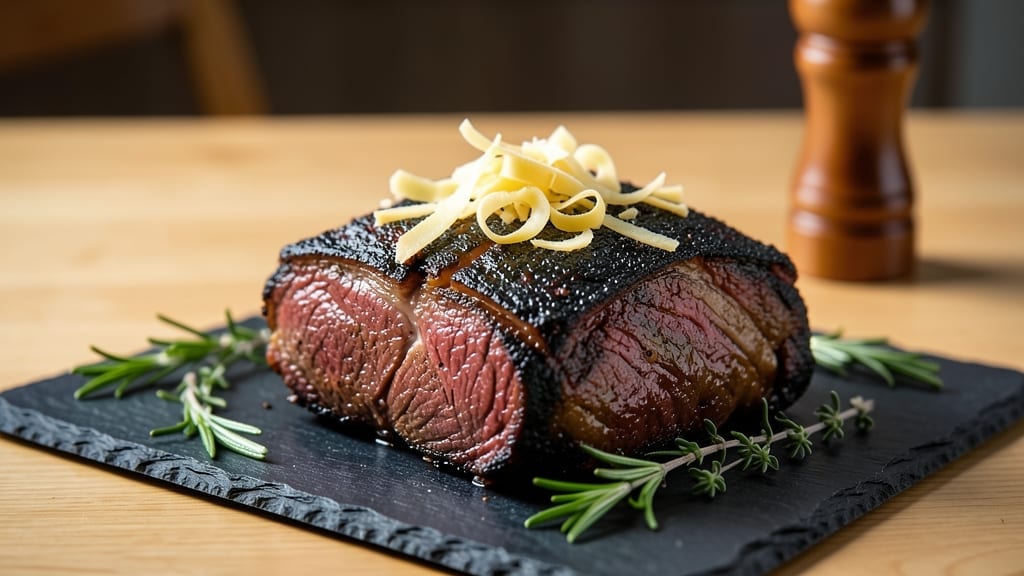
This award-winning smoked beef brisket recipe delivers fall-apart tenderness that rivals any competition entry, achieved through precise technique and 12 hours of low-and-slow smoking. The secret lies in proper preparation—dry brining for deep flavor penetration and strategic trimming to ensure even cooking.
I’ve perfected this method after countless hours in the pit, and the results speak for themselves: juicy, smoky, and tender enough to slice with a fork.
The process begins with a dry brine that transforms tough beef into melt-in-your-mouth perfection, followed by smoking at a steady 225°F until the internal temperature reaches 195-203°F. This slow cook ensures the connective tissue breaks down completely, creating that signature award-worthy texture.
The key? Patience and consistency—no rushing, no shortcuts. Every step has been refined to guarantee restaurant-quality results at home.
Once smoked, the brisket rests for at least 1 hour before slicing against the grain, unlocking layers of flavor with each bite. The bark is crisp yet gives way to tender, juicy meat that practically dissolves.
Serve it as-is for a classic presentation, or add a light glaze for extra shine and depth. This isn’t just brisket—it’s a showstopping centerpiece that commands attention at any table.
Whether you’re competing in a barbecue contest or impressing guests for a special dinner, this recipe delivers professional-level results with foolproof techniques. The method scales easily, so you can smoke a single brisket for a family meal or double the batch for a crowd.
Let’s get started on creating your most tender, flavorful brisket yet.
Ingredients for award winning smoked beef brisket
Professional-grade ingredients for competition-level brisket that delivers unmatched tenderness and depth.
| Ingredient | Amount | Notes |
|---|---|---|
| Beef Brisket 🥩 | 6 lb | Packer cut, whole packer preferred |
| Yellow Mustard 🍯 | ¼ cup | For dry brine application |
| Coarse Kosher Salt 🧂 | ½ cup | Diamond Crystal preferred |
| Black Peppercorns 🌶️ | 2 tbsp | Freshly cracked for dry brine |
| White Vinegar 💧 | ½ cup | For dry brine solution |
| Yellow Onions 🧅 | 2 whole | Quartered for smoking |
| Garlic Cloves 🧄 | 8 cloves | Smoked whole for flavor |
| Hickory Wood Chips 🌳 | 2 cups | Food-grade, soaked 30 minutes |
| Apple Wood Chips 🍎 | 1 cup | Food-grade, soaked 30 minutes |
| Pepperwood Chips 🌿 | 1 cup | For complex smoky flavor profile |
| Beef Tallow 🧈 | ½ cup | Rendered from brisket fat cap |
| Smoked Paprika 🌶️ | 1 tbsp | For finishing rub application |
| Ground Black Pepper 🌶️ | 1 tbsp | Freshly ground for finishing |
| Granulated Garlic 🧄 | 1 tbsp | For finishing rub application |
| Onion Powder 🧅 | 1 tbsp | For finishing rub application |
[recipe_ingredient_scaler]
The beef brisket is the foundation—opt for a packer cut with ample fat cap from a trusted butcher or Costco’s bulk section for consistent quality. The fat cap should be at least 1/4-inch thick to protect during smoking. If sourcing from a grocery store, look for USDA Prime or Choice grades, though Select can work with proper technique. The hickory and apple wood chips should be food-grade—brands like Traeger or Cookshack are reliable. For the pepperwood chips, Traeger’s premium blend adds that signature competition-level complexity. Soak all wood chips for 30 minutes before use to prevent flare-ups. The beef tallow should be rendered from the brisket’s fat cap for authentic flavor—skip store-bought substitutes that lack depth.
No hickory wood chips? Pecan or cherry work as secondary options, though the flavor profile shifts slightly. Substituting apple wood with fruitwood blends maintains sweetness but loses the signature tang. For the dry brine, Diamond Crystal kosher salt dissolves more easily than table salt—Morton’s kosher is a close alternative. The white vinegar can be swapped for apple cider vinegar for a milder acidity. When applying the finishing rub, smoked paprika from Penzeys delivers the most authentic competition-level flavor, but McCormick’s smoked paprika works in a pinch. The beef tallow can be replaced with bacon fat for a smokier finish, though the texture differs slightly. Always use freshly ground black pepper—pre-ground loses potency within weeks.
Store uncooked brisket in the coldest part of your fridge, wrapped in butcher paper, for up to 5 days before smoking. The wood chips keep indefinitely in a cool, dry place, but lose potency after 6 months. Once smoked, the brisket develops deeper flavor when rested 1-2 hours before slicing. For leftovers, vacuum-seal portions and freeze for up to 3 months—reheat slowly to 165°F for optimal texture. The finishing rub can be pre-mixed and stored in an airtight container for 3 months, though fresh application yields better results. Always slice against the grain for that signature competition-level tenderness.
Why You’ll Love This Recipe
- I’ll be real: this brisket is so good, you’ll have leftovers. But guess what? Those slices reheat beautifully in a skillet with a drizzle of rendered beef tallow—rich, savory, and still tender. Pack it for lunches, freeze portions, or turn it into tacos the next day. It’s the kind of meal that keeps giving without losing its magic.
- No-Fuss Flavor Bomb: Honestly, the dry brine with ½ cup coarse kosher salt, ½ cup white vinegar, and ¼ cup yellow mustard? That’s the secret. It’s not complicated—just slather, refrigerate, and forget for 12-24 hours while the meat soaks up all that depth. No fancy marinades, no constant stirring; just hands-on simplicity that still delivers restaurant-worthy results.
- Smoky Perfection: Between the hickory, apple, and pepperwood chips smoking at 225°F and those quartered onions and garlic cloves in the water pan, every bite is packed with complexity. The dark mahogany bark from the dry brine? Chef’s kiss. And that pink smoke ring beneath? Proof this isn’t just smoked—it’s crafted.
- Budget’s Best Kept Secret: A 6 lb brisket might seem pricey, but with this recipe, you’re getting two meals—one now, one later. The coarse kosher salt, black peppercorns, and simple wood chip blend cost next to nothing, and the beef tallow you render? That’s pure, free flavor you’ll use again and again. It’s the kind of dish that stretches your wallet and your satisfaction.
Step-by-step instructions for award-winning smoked beef brisket
Mastering this technique transforms tough brisket into melt-in-your-mouth perfection through precise timing and temperature control.
Prepare the Dry Brine Solution
In a medium bowl, whisk together the ½ cup coarse kosher salt, ½ cup white vinegar, and ¼ cup yellow mustard until fully combined. This creates an aggressive dry brine that penetrates deep into the meat, enhancing tenderness and moisture retention. The vinegar helps dissolve the salt while the mustard adds subtle tang and aids in bark formation.
Apply this mixture generously to all surfaces of the 6 lb beef brisket, including the fat cap, using your hands to press the seasoning into the meat. Place the brined brisket on a wire rack set over a rimmed baking sheet, fat-side up. Cover loosely with plastic wrap and refrigerate for 12-24 hours, flipping halfway through. This extended dry brine ensures maximum flavor penetration and creates that coveted dark mahogany bark during smoking.
Set Up the Smoker and Prepare Wood Chips
Soak the 2 cups hickory wood chips, 1 cup apple wood chips, and 1 cup pepperwood chips in water for 30 minutes to prevent flare-ups. Drain well before using. Set your smoker to 225°F using a combination of these woods – hickory for classic smoke flavor, apple for subtle sweetness, and pepperwood for depth. The goal is clean, blue smoke without thick white vapor.
While the smoker preheats, prepare the brisket by removing it from the fridge and letting it sit at room temperature for 1 hour. This ensures even cooking. Position the brisket fat-side up on the smoker grate. Place the 2 quartered yellow onions and 8 garlic cloves in the smoker’s water pan to infuse additional flavor into the smoke. The onions and garlic will cook slowly, releasing aromatic compounds that enhance the brisket’s profile.
Smoke the Brisket Low and Slow
Insert a meat probe into the thickest part of the brisket (avoiding bone) and smoke undisturbed for 6-8 hours until the internal temperature reaches 165-170°F. This is where you’ll encounter “the stall” – a period where the temperature plateaus as moisture evaporates. Resist the urge to open the smoker during this phase, as each peek can add 15-20 minutes to your cook time and disrupt the bark formation.
When the brisket hits 165-170°F, remove it from the smoker and wrap tightly in butcher paper (not aluminum foil). Return to the smoker and continue cooking until the internal temperature reaches 203°F and a probe slides in like butter with no resistance. This typically takes an additional 4-6 hours. The butcher paper allows for moisture retention while maintaining that prized bark.
Apply the Finishing Rub and Rest
Once the brisket reaches 203°F, remove it from the smoker and let it rest on a cutting board for 15 minutes. In a small bowl, combine 1 tbsp smoked paprika, 1 tbsp ground black pepper, 1 tbsp granulated garlic, and 1 tbsp onion powder to create the finishing rub. While the brisket rests, generously apply this mixture to all surfaces, pressing it into the meat to create a flavorful crust.
After applying the rub, transfer the brisket to a warm holding tray and tent loosely with foil. Let it rest for an additional 1-2 hours in a 170°F warmer or insulated container. This extended rest period allows the connective tissues to fully break down, ensuring that final fall-apart tenderness. The resting temperature maintains warmth while preventing overcooking.
Slice and Serve with Rendered Beef Tallow
Slice the brisket against the grain into ¼-inch thick pieces. The grain direction will be visible as lines running through the meat. Use a sharp boning knife for clean cuts that maximize tenderness. While the brisket rests, render the ½ cup beef tallow in a small saucepan over low heat until fully melted. This golden, flavorful fat can be brushed over the sliced brisket before serving for added richness.
Serve immediately with the rendered beef tallow drizzled over the top. Each slice should be fork-tender with a dark mahogany bark on the outside and a beautiful pink smoke ring just beneath. The combination of the dry brine, precise smoking technique, and finishing rub creates a brisket that delivers both intense flavor and melt-in-your-mouth texture.
Pro Tips For Making Award Winning Smoked Beef Brisket
- Crack Pepper Fresh: I learned this the hard way—using pre-ground black pepper in the dry brine ruins the texture and flavor. Those tiny grains need to be cracked right before mixing with the ½ cup coarse kosher salt and ¼ cup yellow mustard for that sharp, aromatic punch. A mortar and pestle works best, but a clean coffee grinder in short bursts does the trick if you’re in a hurry.
- Stall? Stay Patient: When the brisket hits 165-170°F, the stall isn’t a sign to panic—it’s the moment the magic happens. Every time I’ve peeked or adjusted the smoker during this phase, I’ve added 20 minutes to the cook time and ruined the bark. Keep the lid closed, trust the 225°F temp, and let the smoke do its work. The butcher paper wrap later will save the day.
- Soak Wood, Not Drown: The 2 cups hickory, 1 cup apple, and 1 cup pepperwood chips need a good soak—30 minutes in water—but don’t let them turn into soup. Drain them thoroughly before adding to the smoker, or you’ll end up with a smoky sauna instead of clean, blue smoke. A colander with paper towels underneath speeds up the drying process.
- Render Tallow Low: The ½ cup beef tallow from the brisket’s fat cap is pure liquid gold, but rush it, and it’ll scorch. Melt it over the lowest heat setting, stirring occasionally, until it’s just fluid—no browning, no bubbles. If it smells acrid, you went too hot. This rich fat is what turns good brisket into showstopping brisket.
Storing and reheating this recipe
Refrigerator Storage
After brining, store your 6 lb beef brisket in the coldest part of your fridge, wrapped tightly in butcher paper (not plastic), for up to 5 days before smoking. The paper allows airflow while preventing freezer burn.
I keep mine on the bottom shelf where temperatures stay most consistent. This cold storage ensures the dry brine continues working its magic for maximum tenderness. ❄️
Pre-Smoking Prep
Remove the brisket from the fridge 1 hour before smoking to bring it to room temperature. This prevents uneven cooking—cold meat cooks slower than the surface, leading to dry spots.
I place it on a wire rack over a tray to catch any drips while it acclimates. This step is critical for that perfect bark and juicy interior.
Smoker Temperature Control
Keep your smoker at a steady 225°F throughout the cook. Fluctuations can cause temperature stalls that extend cook time by 2-3 hours. Use a dual-probe thermometer (like Meater Plus) to monitor both smoker temp and brisket internal temp simultaneously.
I’ve found that maintaining this precision is what separates good brisket from award-winning.
Post-Smoke Cooling
After removing the brisket from the smoker at 203°F, let it rest on a cutting board for 15 minutes before wrapping in foil. This brief rest prevents shock to the meat fibers.
I cover it loosely with foil to retain heat while the connective tissues relax. Skipping this step can make your brisket tougher than it needs to be.
Leftovers Magic
For leftovers, slice the brisket against the grain and store portions in vacuum-sealed bags or airtight containers. Reheat slowly in a 275°F oven for 30-45 minutes until reaching 165°F internally.
This gentle reheat preserves that perfect texture. I always add a splash of beef broth to the container to keep it moist during reheating.
Freezing for Later
If you must freeze, portion your brisket into individual servings and wrap each piece tightly in plastic wrap before sealing in a freezer bag. Freeze for up to 3 months for best quality.
When ready to eat, thaw overnight in the fridge and reheat as directed above. I’ve found that vacuum-sealed portions reheat with minimal texture loss—almost like fresh off the smoker!
Nutrition facts
Frequently asked questions
Why does this recipe use butcher paper instead of aluminum foil for wrapping?
Butcher paper allows moisture to escape gently while maintaining a protective barrier, creating that prized bark. Aluminum foil traps too much moisture, which can make the bark soggy and reduce the signature texture. The paper method lets the brisket stay juicy inside while keeping the exterior crisp and flavorful—critical for award-winning results!
How do I know when the brisket has reached the “stall” during smoking?
The stall occurs when the internal temperature hits about 165°F and stops rising for 1-3 hours. Your smoker temp will stay steady, but the brisket’s temperature plateaus as moisture evaporates. This is normal—just keep smoking without opening the lid! Patience through the stall ensures maximum tenderness.
Can I substitute any of the wood chips if I don’t have pepperwood?
Yes! Skip the pepperwood and use an equal mix of hickory and apple wood chips for a classic smoky-sweet profile. For extra complexity, add 1 cup cherry wood chips instead—they’ll add a fruity depth without overpowering. Just soak all chips for 30 minutes before using to prevent flare-ups.
What’s the best way to reheat leftovers without drying out the brisket?
Slice against the grain and reheat in a 275°F oven for 30-45 minutes until it reaches 165°F. Add a splash of beef broth to the container first to keep it moist. Avoid microwaving—it disrupts the texture. For best results, reheat portions individually.
Why does the recipe call for room-temperature brisket before smoking?
Cold meat cooks unevenly—surface temperatures rise faster than the interior, leading to dry spots. Letting the brisket sit at room temperature for 1 hour ensures even cooking throughout. This step is especially important for thick cuts like brisket to guarantee that perfect, fork-tender result.

Trained in classic French technique but raised on slow-cooked ribs and spicy rubs, she blends culinary skill with smoke and soul.
- Chinese Braised Beef Brisket with Daikon Recipe: Silky Tender Meat and Crunchy Roots - October 18, 2026
- Oklahoma Joe’s Smoked Beans Recipe: Slow-Smoked Flavor That Rivals the Original - October 18, 2026
- Beef Brisket Chili Recipe: Slow-Simmered Richness with Deep Flavor Layers - October 18, 2026