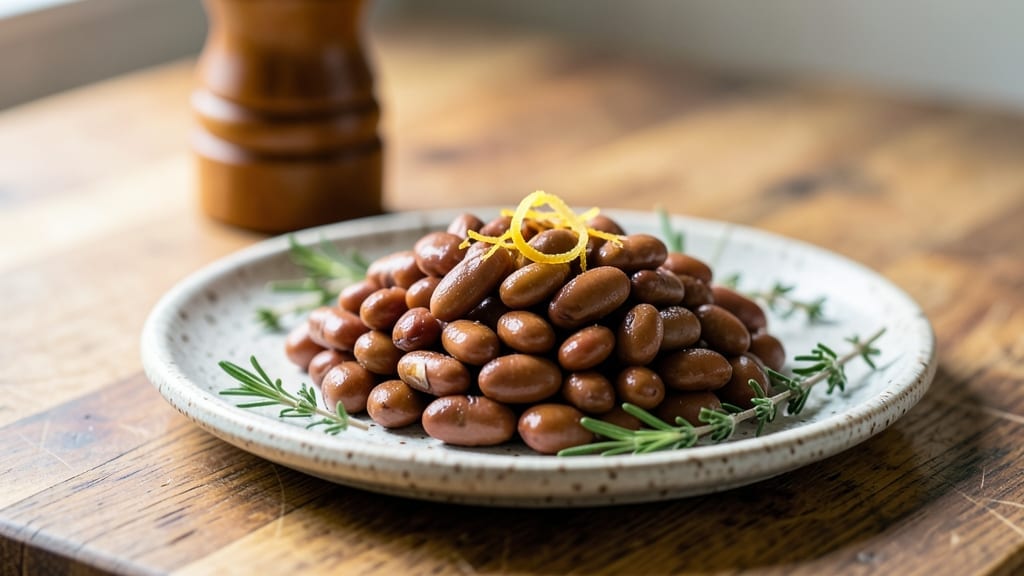
This Oklahoma Joe’s smoked beans recipe delivers the same deep, smoky flavor that made the original a Southern classic—without requiring a smoker. The secret lies in a precise blend of spices, slow-cooked pork shoulder, and a method that mimics traditional pit-smoking techniques using just a Dutch oven and oven.
After years of perfecting this dish, I’ve developed a version that’s just as rich and satisfying as the original, but with a simpler approach that works in any home kitchen.
The foundation of these beans is a flavorful broth made from pork shoulder, smoked paprika, and a touch of liquid smoke—though I’ll show you how to achieve that authentic smokiness even without a smoker.
The beans simmer for hours, allowing the pork to break down into tender, flavorful chunks that blend seamlessly with the beans. This isn’t just a side dish; it’s a meal component that elevates everything from sandwiches to BBQ platters.
What you’ll end up with is a pot of beans that’s thick, smoky, and packed with layers of flavor—just like the original Oklahoma Joe’s. The pork adds richness, while the spices create that signature smoky depth.
This recipe serves as a hearty side for barbecues, a filling for sandwiches, or even a standalone dish when paired with cornbread. The best part? It tastes even better the next day, making it perfect for meal prep.
Whether you’re a smoker veteran or a beginner looking to recreate that classic taste, this method delivers professional results. Let’s get started with a recipe that brings Oklahoma Joe’s iconic flavor to your table.
Ingredients for oklahoma joe’s smoked beans
Smoky, rich, and packed with Southern soul—just these pantry staples and a few key ingredients.
| Ingredient | Amount | Notes |
|---|---|---|
| Pork Shoulder 🥓 | 2 lb | Bone-in preferred for flavor |
| Dry Navy Beans 🌾 | 2 cups | Soaked overnight or quick-soaked |
| Smoked Paprika 🌶️ | 2 tbsp | High-quality for authentic smokiness |
| Liquid Smoke 💨 | 1 tbsp | Adjust to taste for smokiness |
| Dried Thyme 🌿 | 1 tbsp | Or 1 tbsp fresh thyme leaves |
| Garlic Cloves 🧄 | 4 cloves | Minced for deep flavor |
| Yellow Onion 🧅 | 1 whole | Diced, medium size |
| Bay Leaves 🍃 | 2 whole | Fresh or dried |
| Black Peppercorns 🌶️ | 1 tsp | Freshly cracked |
| Salt 🧂 | 1 ½ tsp | Kosher or sea salt |
| Apple Cider Vinegar 🍏 | 1 tbsp | For tangy brightness |
| Brown Sugar 🍬 | 2 tbsp | Light or dark |
| Water 💧 | 6 cups | Or low-sodium chicken broth |
| Extra-Virgin Olive Oil 🫒 | 2 tbsp | For initial searing |
[recipe_ingredient_scaler]
The pork shoulder is non-negotiable here—bone-in adds the most flavor, but boneless works in a pinch. Grab it from the butcher counter if possible; those guys cut it fresh and it makes a difference. For the beans, navy beans are traditional, but pinto or great northern work too. Soak them overnight for best texture, but if you’re short on time, the quick-soak method (boil for 2 minutes, then let sit) works. The smoked paprika? Penzeys or McCormick are solid choices—avoid the cheap grocery store stuff if you can. It’s the backbone of that authentic smoky flavor.
No liquid smoke? Double the smoked paprika and add a half-teaspoon of smoked salt—it’s a decent stand-in, though not quite the same. Fresh thyme is ideal, but dried works at the same amount (no need to adjust). Short on brown sugar? Maple syrup or honey adds a nice depth, though the flavor will shift slightly. The apple cider vinegar cuts through the richness—substitute lemon juice if that’s what you’ve got. For the water, chicken broth adds even more depth, but plain water keeps it simple. The olive oil? Use something fruity and good—Trader Joe’s or California avocado oil both work great.
This tastes even better the next day, so make extra. Store in an airtight container in the fridge for up to 5 days—the flavors meld beautifully. For longer storage, freeze portions for up to 3 months. I like to portion it into ziplock bags with a little extra broth so it reheats smoothly. When reheating, add a splash of water or broth to keep it from getting too thick. Perfect for meal prep—just grab and heat when you’re ready.
Why You’ll Love This Recipe
- One-Pot Magic: I love that this recipe lives in one Dutch oven—no extra pans, no cleanup chaos. The pork shoulder gets seared first, then the beans take over, and by the end, everything’s simmered together into one rich, smoky pot. My kitchen stays clean while the flavors deepen, and honestly? That’s a win.
- Tangy-Smoky Payoff: The combo of liquid smoke and apple cider vinegar gives these beans that signature Oklahoma Joe’s kick—sweet, smoky, and just a little tangy. The smoked paprika and dried thyme toast in the pot for extra depth, and the garlic and onion caramelize just enough to make every bite sing. It’s the kind of dish that makes you go back for seconds without thinking.
- Feeds a Crowd (or Leftovers): This recipe is my secret weapon for game days, potlucks, or lazy Sundays. Two pounds of pork shoulder and two cups of beans? That’s enough to fill a big bowl and still have seconds. And if you make it ahead, the flavors get even better—perfect for meal prep. I freeze portions for busy weeks, and honestly, reheated beans taste just as good as fresh.
- Budget-Friendly Powerhouse: Pork shoulder is cheap, beans are cheap, and the spices? A little goes a long way. You’re getting a hearty, restaurant-worthy meal for less than $10. The brown sugar and vinegar add just enough sweetness to balance the smokiness without breaking the bank. It’s the kind of dish that stretches your grocery budget while keeping everyone happy.
Step-by-step instructions for Oklahoma Joe’s smoked beans
This method delivers that signature Oklahoma Joe’s depth—smoky, rich, and packed with pork flavor.
Prep the Pork Shoulder and Beans
Start by trimming any excess fat from the 2 lb pork shoulder but leave about ¼ inch for flavor. Cut the pork into 1-inch chunks and set aside. In a large bowl, combine the 2 cups dry navy beans with 6 cups water and let them soak overnight—or quick-soak by boiling for 2 minutes, then letting them sit for 1 hour. Drain before using.
While the beans soak, dice the 1 yellow onion into ¼-inch pieces and mince the 4 garlic cloves finely. Crack the 1 tsp black peppercorns in a mortar or with a spice grinder for freshness. Here’s the thing—mincing the garlic and onion ahead saves time later, and freshly cracked pepper makes a real difference in the final flavor.
Sear the Pork and Build the Base
Heat a large Dutch oven over medium-high heat and add the 2 tbsp extra-virgin olive oil. Working in batches, sear the pork shoulder chunks until they’re deep golden brown on all sides—about 3-4 minutes per batch. This step adds a ton of flavor, so don’t rush it. Once all the pork is browned, transfer it to a plate and set aside.
In the same Dutch oven, add the diced yellow onion and cook for 5 minutes until softened. Add the minced garlic cloves and cook for 30 seconds until fragrant. Stir in the 2 tbsp smoked paprika, 1 tbsp dried thyme, 2 bay leaves, and 1½ tsp salt. Let the spices toast for 1 minute—this deepens their flavor and removes any bitterness from the paprika.
Simmer the Beans with Pork and Smoky Flavors
Add the drained 2 cups navy beans to the Dutch oven along with the seared pork. Pour in enough of the 6 cups water (about 4 cups) to just cover the beans—you want them submerged but not drowning. Bring everything to a boil, then reduce heat to low and simmer uncovered for 1 hour. Skim off any foam that rises to the surface during this time.
After 1 hour, stir in the 1 tbsp liquid smoke, 1 tbsp apple cider vinegar, and 2 tbsp brown sugar. These ingredients are what give Oklahoma Joe’s beans that signature tangy-sweet-smoky profile. Simmer another 45 minutes, stirring occasionally, until the beans are tender but not mushy. If the liquid gets too low, add a splash of water—but don’t overdo it, or the beans will dilute.
Finish and Rest for Perfect Texture
Once the beans are tender, taste and adjust the seasoning. You might need a little more salt or apple cider vinegar to balance the flavors. Let the beans simmer uncovered for another 15 minutes to thicken slightly and develop a richer taste. The sauce should coat the back of a spoon but still be loose enough to spoon.
Remove the 2 bay leaves before serving. Transfer the beans to a serving dish and let them rest for 10 minutes—this lets the flavors meld and the beans absorb any remaining juices. Serve warm, straight from the pot, with crusty bread or over rice. The beans should be creamy but not mushy, with a deep smoky aroma and a hint of tang from the vinegar.
Pro Tips For Making Oklahoma Joe’S Smoked Beans
- Toast the Spices: That 1-minute toast of 2 tbsp smoked paprika, 1 tbsp dried thyme, and 2 bay leaves isn’t just for show—it cuts the bitterness and wakes up their flavor. I used to skip it because it seemed fast, but now I set a timer. The difference in depth is noticeable, especially with that smoky paprika.
- Sear Pork in Batches: Crowding the pan turns your pork into steamed chunks instead of crispy, flavor-packed bites. Work in batches with 2 tbsp olive oil over medium-high heat—3-4 minutes per side—until deep golden brown. Yes, it takes a little longer, but that crust is what carries the smoky flavor through the whole dish.
- Don’t Over-Soak Beans: Overnight soaking is ideal, but if you quick-soak, stick to the 2-minute boil + 1-hour sit—no longer. I once left mine soaking for 3 hours, and they turned mushy by the end. Drain them well before adding to the pot, or your beans will turn to glue instead of creamy perfection.
- Stir in Liquid Smoke Late: Adding 1 tbsp liquid smoke too early can make the dish taste harsh and one-dimensional. Wait until the 1-hour simmer is done—right when you toss in the apple cider vinegar and brown sugar. That way, it blends smoothly with the sweet-tangy-smoky balance the recipe is built on. Trust me, timing matters here.
Common mistakes when making great oklahoma joe’s smoked beans
Skipping the Sear
One of my biggest mistakes early on was skipping the searing step for the pork shoulder. Those 3-4 minutes per batch at medium-high heat create a deep brown crust that adds layers of flavor through the Maillard reaction.
Without it, your beans will taste flat and lack that rich, meaty depth. Always sear the pork in batches to avoid overcrowding the pot—this ensures each piece gets that golden-brown finish. 🔥
Overloading the Pot
I’ve learned the hard way that overcrowding the Dutch oven during the initial searing leads to steaming instead of searing. When you try to cook all the pork chunks at once, the oil temperature drops, and you end up with greasy, soggy meat instead of crispy, flavorful pieces.
Work in batches—this takes a little extra time, but the flavor difference is night and day.
Ignoring the Spice Toast
Skipping the 1-minute toast for the spices after adding them to the pot is a mistake that throws off the entire flavor profile. Toasting the smoked paprika, thyme, and bay leaves removes bitterness and deepens their aroma.
Without toasting, your beans will taste bland and lack that authentic smoky punch. Give those spices a good stir and let them bloom for that signature Oklahoma Joe’s kick.
Rushing the Simmer
Rushing through the first 1-hour simmer is a common pitfall, especially when you’re eager to eat. This initial simmer is crucial for breaking down the pork and allowing the beans to absorb the base flavors.
Skipping it or reducing the time means your beans will lack that creamy, tender texture and won’t develop the complex layers of flavor that make this dish special. Patience is key—trust the process!
Adding Liquid Smoke Too Early
Adding the 1 tbsp liquid smoke at the beginning of the cooking process is a mistake that can make the beans taste overly smoky and bitter. The liquid smoke should be added after the initial 1-hour simmer to balance the flavors with the pork, vinegar, and sugar.
Adding it too soon can overpower the dish and ruin the harmony of the tangy-sweet-smoky profile we’re aiming for.
Nutrition facts
Frequently asked questions
Why does this recipe use pork shoulder instead of just beans?
The bone-in pork shoulder adds layers of rich, meaty flavor that make these beans legendary. The fat renders slowly during cooking, infusing the broth with depth that dry beans alone can’t provide. It’s what gives Oklahoma Joe’s beans that signature hearty, smoky character—no shortcuts here! The pork also helps balance the tanginess of the apple cider vinegar and sweetness of the brown sugar.
Can I make these beans without liquid smoke?
Double the 2 tbsp smoked paprika and add ½ teaspoon smoked salt to mimic that smoky depth. For extra richness, toast the paprika in the Dutch oven for 2 minutes before adding other spices. The flavor won’t be identical, but you’ll still get that authentic smokiness without the liquid smoke.
How do I know when the beans are done?
After 1 hour of simmering, the beans should be tender but still hold their shape—like al dente pasta. After adding the liquid smoke and simmering another 45 minutes, they’ll be creamy with a slight give when pressed. If they’re mushy, they’ve been cooking too long. Taste test with a spoonful—perfect beans should coat the spoon but still have individual bean texture.
Can I use a different type of bean?
While navy beans are traditional, you can substitute pinto or great northern beans with no major flavor changes. Just adjust cooking time slightly—pinto beans may need 5-10 extra minutes to reach the same tender consistency. Always soak them properly first for best results, whether overnight or quick-soaked.
What’s the best way to reheat these beans?
Gently warm them on the stove over low heat with a splash of water or broth to loosen the thickened sauce. Microwaving works too, but stir every 30 seconds to prevent drying. The beans taste even better the next day, so reheating is a great way to enjoy leftovers—just add a little extra liquid if needed to restore that creamy texture.

Trained in classic French technique but raised on slow-cooked ribs and spicy rubs, she blends culinary skill with smoke and soul.
- Chinese Braised Beef Brisket with Daikon Recipe: Silky Tender Meat and Crunchy Roots - October 18, 2026
- Oklahoma Joe’s Smoked Beans Recipe: Slow-Smoked Flavor That Rivals the Original - October 18, 2026
- Beef Brisket Chili Recipe: Slow-Simmered Richness with Deep Flavor Layers - October 18, 2026