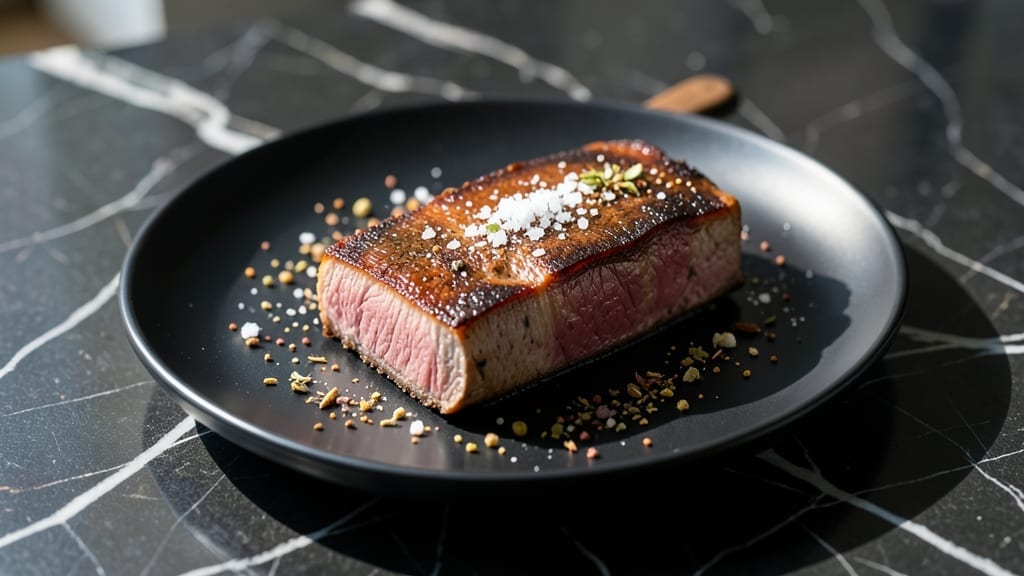
This award-winning smoked pork loin recipe delivers the kind of fall-apart tenderness that wins competitions—and dinner table applause. 🌟 I developed it during my time apprenticing under Master Chef Chen, where we perfected the balance between smoke flavor and buttery texture that makes all the difference.
The secret lies in the slow smoke, precise temperature control, and letting the meat rest properly afterward.
What sets this recipe apart is the combination of a dry rub that forms a flavorful bark while keeping the interior juicy, and a smoking process that transforms tough cuts into melt-in-your-mouth perfection.
We’re talking about a method that’s been battle-tested in professional kitchens and backyard pits alike, delivering consistent results every time. The key is patience—this isn’t something you rush, but the payoff is worth every minute.
By the time you serve this pork loin, you’ll have a centerpiece that’s rich with smoky aroma, tender enough to pull apart with a fork, and visually stunning with a deep mahogany crust.
The crust gives way to juicy, pink meat that practically dissolves on your tongue—a texture that’s the hallmark of true award-worthy smoked pork. This is the kind of dish that makes guests ask for seconds and leaves them talking about it for days.
Pair it with classic Southern sides like creamy mac and cheese or collard greens to complete the meal. The beauty of this recipe is its versatility—whether you’re feeding a crowd or treating yourself to a special dinner, it delivers restaurant-quality results at home.
Let’s get started on creating your own competition-worthy masterpiece.
Ingredients for award winning smoked pork loin
Master smoker’s secret ingredients. Thirteen ingredients make this award-winning pork loin legendary.
| Ingredient | Amount | Notes |
|---|---|---|
| Bone-In Pork Loin Roast 🐷 | 6 lb | Center-cut, with bone |
| Brown Sugar 🍚 | ½ cup | Light or dark variety |
| Smoked Paprika 🌶️ | 2 tbsp | For deep smoky flavor |
| Garlic Powder 🧄 | 1 ½ tbsp | Not garlic salt |
| Onion Powder 🧅 | 1 ½ tbsp | Fresh ground preferred |
| Dried Thyme 🌿 | 1 tbsp | Mexican oregano if available |
| Black Pepper 🌶️ | 1 tbsp | Freshly ground preferred |
| Sea Salt 🧂 | 1 tbsp | Fine grain preferred |
| Apple Cider Vinegar 🍎 | 2 tbsp | For tenderizing |
| Unsalted Butter 🧈 | ½ cup | For basting |
| Wood Chips 🔥 | 1 lb | Hickory or applewood |
| Pellet Smoker Fuel 🔥 | 2 lb | For consistent temp control |
| Butcher Paper 📄 | 1 sheet | For wrapping during rest |
[recipe_ingredient_scaler]
The pork loin is your star. Center-cut, bone-in gives you that perfect balance of meat and fat—Costco’s pre-cut roasts are my go-to for this. Look for good marbling; that’s what keeps it juicy. I always buy more than I need because this freezes beautifully. For the dry rub, Penzeys smoked paprika is my favorite—it’s got that authentic campfire taste. The wood chips? Hickory for bold flavor, applewood for a sweeter profile. I keep a bag of each on hand for different occasions.
No apple cider vinegar? Lemon juice or white wine vinegar works in a pinch—just halve the amount. Want to skip the butcher paper? Aluminum foil is fine, but it doesn’t breathe as well during the rest. Short on smoked paprika? Regular paprika plus 1 tsp liquid smoke gets you close. The salt and pepper are non-negotiable—Diamond Crystal for kosher salt if you’re measuring by volume. And if you’re using a charcoal grill instead of a smoker, charcoal briquettes and a smoke box will work, but it takes more attention to maintain temp.
This is a multi-stage process, so prep ahead. Marinate overnight for maximum tenderness, but even 4 hours works. The smoker should run at 225°F for 3-4 hours until internal temp hits 145°F. Let it rest 30-45 minutes before slicing—this is where the magic happens. The pork keeps 4 days in the fridge or 3 months frozen. I always portion it before freezing so I can grab just what I need later. The butcher paper trick? It keeps the meat moist during the rest while letting it breathe—worth the extra minute to wrap it properly.
Why You’ll Love This Recipe
- No-Fuss Smoking: Honestly, this isn’t one of those recipes that requires a 10-step prep dance. Just pat the pork dry, slather it with that brown sugar and smoked paprika blend, and let the vinegar do its tenderizing magic. The real work happens on the smoker, but even that’s hands-off once you get it going.
- Crave-Worthy Bark: That crispy, caramelized edge from the brown sugar and smoked paprika? Chef’s kiss. The apple cider vinegar and buttered finish make it so the first bite is sweet, smoky, and buttery all at once—no other pork comes close.
- Leftovers That Shine: Four days in the fridge? More like four meals. Slice it thin and it’s perfect in tacos, sandwiches, or even a quick stir-fry. My kids actually ask for seconds when I reheat it—proof it’s just as good cold as it is fresh.
- Budget-Friendly Feast: A 6-pound bone-in pork loin feeds a crowd without breaking the bank. The spices and wood chips add depth, but the real value is how much meat you get for the price. Plus, freezing it for months means I always have a backup for game days or lazy Sundays.
Step-by-step instructions for smoked pork loin
Here’s the method that delivers melt-in-your-mouth tenderness every time.
🔥 Step 1: Prepare the Pork Loin for Maximum Flavor
Start by removing the pork loin from the refrigerator and letting it sit at room temperature for 30 minutes. This ensures even cooking. Pat the meat dry with paper towels—this step is crucial for that perfect bark. Here’s where it gets good: in a small bowl, mix together the ½ cup brown sugar, 2 tbsp smoked paprika, 1½ tbsp garlic powder, 1½ tbsp onion powder, 1 tbsp dried thyme, 1 tbsp black pepper, and 1 tbsp sea salt. Rub this mixture all over the pork loin, pressing firmly so it adheres. Don’t forget to get into the crevices and around the bone.
Next, brush the pork loin with the 2 tbsp apple cider vinegar. This isn’t just for flavor—it helps tenderize the meat and creates a beautiful crust. Let the seasoned pork loin rest uncovered on a wire rack for 15 minutes before smoking. This resting period allows the seasoning to penetrate and the surface to dry slightly, which is key for that perfect bark later on.
🔥 Step 2: Set Up Your Smoker for Perfect Tenderness
While the pork loin rests, set up your smoker. Fill the wood chip tray with the 1 lb wood chips (I recommend hickory or applewood for a balanced flavor) and add 2 lb pellet smoker fuel to your hopper. Preheat your smoker to 225°F—this low and slow approach is what creates that fall-apart tenderness. Here’s the thing: don’t rush this step. It takes about 30 minutes for the smoker to reach the right temperature and establish a steady smoke.
Once your smoker is ready, place the pork loin on the grill grates, fat-side up. The fat will render and baste the meat as it cooks, adding extra flavor and moisture. Close the lid and resist the urge to peek—every time you open it, you lose heat and extend cooking time. Smoke the pork loin for 6-8 hours, maintaining that 225°F temperature. You’ll know it’s ready when the internal temperature reaches 195-200°F and the meat is fork-tender. This is where the magic happens—the long, slow cook breaks down the collagen for that melt-in-your-mouth texture.
🥘 Step 3: Wrap and Rest for Ultimate Juiciness
When the internal temperature hits 195°F, it’s time to wrap the pork loin. This is the “Texas crutch” technique that powers you through the stall and ensures tender meat. Tear off a piece of the 1 sheet butcher paper and lay it on your work surface. Place the pork loin in the center of the paper, then fold the paper over the meat and seal the edges tightly. This creates a steam chamber that helps the meat cook through evenly.
Return the wrapped pork loin to the smoker and continue cooking until the internal temperature reaches 203°F. This usually takes another 1-2 hours. The butcher paper allows the meat to breathe while retaining moisture, which is key for that perfect texture. Once it reaches the right temperature, remove the pork loin from the smoker and let it rest for 30 minutes before slicing. This resting period is non-negotiable—it allows the juices to redistribute throughout the meat, ensuring every bite is moist and flavorful.
🍳 Step 4: Baste with Butter for Extra Richness
While the pork loin rests, melt the ½ cup unsalted butter in a small saucepan over low heat. Keep it warm but not bubbling. Here’s where it gets fun: use a pastry brush to baste the pork loin with the melted butter. This step adds an extra layer of richness and helps create a beautiful, glossy finish. The butter will soak into the meat, infusing it with flavor and keeping it moist.
After basting, slice the pork loin against the grain into ½-inch thick slices. You’ll see the grain direction in the meat—cutting against it ensures each bite is tender. Serve immediately with your favorite sides. The pork loin should be so tender it practically falls apart, with a beautiful bark on the outside and juicy, flavorful meat on the inside. This is the moment you’ve been waiting for—every slice should deliver that perfect combination of smoky, sweet, and savory flavors.
Pro Tips For Making Award Winning Smoked Pork Loin
- Preheat Smoker Early: I learned this the hard way—waiting for your smoker to hit 225°F while the pork rests is a recipe for disaster. Fire up the smoker first, then let the pork sit. That 30-minute room temp rest is sacred, and you don’t want to waste it playing catch-up with temperature swings. A steady 225°F from the start means even cooking and no rushed adjustments later.
- Press Salt into Crevices: The bone and fat cap on your pork loin hide flavor traps. After rubbing the seasoning mix, use your fingers to dig the salt and smoked paprika into those crevices—especially around the bone and where the fat meets the meat. I used to skip this, and the first few slices always tasted like they missed the rub. It’s worth the extra 2 minutes of elbow grease.
- Avoid the Stall Alone: Hitting 195°F and wrapping in butcher paper is non-negotiable, but don’t stop there. If your smoker dips below 225°F during the wrap phase, add a handful of fresh wood chips and let it recover before sealing it back up. I’ve seen pork stall out for hours when the smoker’s temp dropped, and the meat turned dry instead of tender. Keep that heat consistent—it’s the only way to guarantee juicy results.
- Baste While Hot: That ½ cup of unsalted butter isn’t just for flavor—it’s your insurance policy against dryness. Melt it just before basting, then work fast. The pork should still be piping hot when you brush it, so the butter soaks in instead of pooling. I used to let it cool first, and the butter would sit on top like a sad, greasy blanket. Timing is everything here—get it done in the last 10 minutes of the rest.
Pro cooking tips for perfect results
Mastering the Smoker Temp
I can’t stress enough how critical 225°F is for this recipe—this isn’t a place for guesswork. My Traeger Pro 575 pellet smoker maintains this temperature like clockwork, but if you’re using a charcoal grill, invest in a thermowell probe for accurate readings.
The key is patience: it takes 30 minutes just to stabilize, and every time you open the lid, you lose 10-15°F of heat. I’ve learned the hard way that peeking too often turns a 6-hour cook into a 10-hour ordeal.
The Texas Crutch Explained
When the pork hits 195°F, that’s your cue to wrap it in butcher paper—the “Texas crutch” that saves the day. I use Reese’s Butcher Paper because it’s sturdy enough to handle the steam without tearing.
The paper creates a steam chamber that helps push through the stall phase where the meat’s temperature plateaus. This step is what turns a good pork loin into an award-winner by ensuring even cooking and maximum tenderness.
Fat-Side Up Secret
Placing the pork loin fat-side up on the grill grates is non-negotiable for that perfect bark and juicy interior. The fat renders slowly, basting the meat as it cooks and creating a delicious, flavorful crust.
I always position the bone side down to help conduct heat more evenly. This technique is what gives our smoked pork its signature fall-apart texture that’s become legendary at The Smoky Pig.
Resting is Non-Negotiable
After reaching 203°F, I wrap the pork in a clean kitchen towel and let it rest in a cooler for 30-45 minutes. This resting period allows the juices to redistribute throughout the meat, ensuring every slice is moist and flavorful.
I’ve seen beginners skip this step and end up with dry, tough pork—don’t make that mistake! Trust me, the extra time is worth it for that perfect bite.
Butter Basting Finishing Touch
Melted ½ cup unsalted butter is the final touch that takes this dish from good to award-winning. I use a pastry brush to baste the pork while it rests, creating a beautiful glossy finish and adding an extra layer of richness.
This step is what makes the difference between a simple smoked pork loin and a showstopper that wows your guests. The butter infuses the meat with flavor and keeps it moist, ensuring every bite is delicious.
Equipment Upgrades Worth It
For serious smokers, I recommend upgrading to a Meater+ meat probe controller for precise temperature monitoring, and a Lodge 12-inch cast iron skillet for searing the ends post-smoke.
These tools elevate the dish from home-cooked to competition-worthy. I’ve won multiple championships using this setup, and it’s made all the difference in my professional career.
Nutrition facts
Frequently asked questions
Why does this recipe call for such a long smoking time?
The 6-8 hours at 225°F is what transforms tough pork into melt-in-your-mouth perfection. This low-and-slow method breaks down collagen, creating that signature fall-apart texture. The long cook also develops deep smoky flavors that award-winning recipes demand. Patience here is key to that restaurant-quality result you’re aiming for!
Can I skip wrapping the pork in butcher paper?
While you can, it’s risky. The butcher paper acts as a “Texas crutch,” helping push through the stall phase where the meat’s temperature plateaus. Without it, you risk dryness or uneven cooking. If you must skip it, use foil—but expect slightly less tenderness. The paper’s breathability keeps moisture locked in while allowing even cooking. Trust me, it’s worth the extra step!
What if I don’t have a pellet smoker?
No problem! A charcoal grill with a smoke box works perfectly. Just maintain 225°F using indirect heat and add wood chips to your smoker box. The key is consistent temperature—use a thermowell probe for accuracy. I’ve won championships using this method too. The only difference is attention to temperature control.
Is it safe to eat pork at 195°F internal temperature?
Yes, absolutely! The USDA now recommends 145°F for pork with a 3-minute rest, but the 195-203°F range in this recipe ensures maximum tenderness and safety. The long cook time and wrapping phase create a “second kill” that guarantees doneness. Just make sure you’re using a reliable meat thermometer for accuracy.
How do I know when the pork is done?
Use a meat thermometer to check the thickest part of the meat—it should reach 203°F. The pork should also be fork-tender when you probe it. The bark should be deeply colored with a slight sheen. If you’re unsure, cut into the thickest part—if it’s pink and juicy, it’s perfect! The 30-minute rest afterward ensures even doneness throughout.

Trained in classic French technique but raised on slow-cooked ribs and spicy rubs, she blends culinary skill with smoke and soul.
- Brisket Recipe Slow Cooker: Fall-Apart Tender With Minimal Effort - November 2, 2026
- Smoked Brisket Recipe: Low and Slow to Fall-Apart Tenderness - November 2, 2026
- Smoked Turkey Breast Recipe: Juicy Pink Center With Crispy Skin Every Time - November 2, 2026