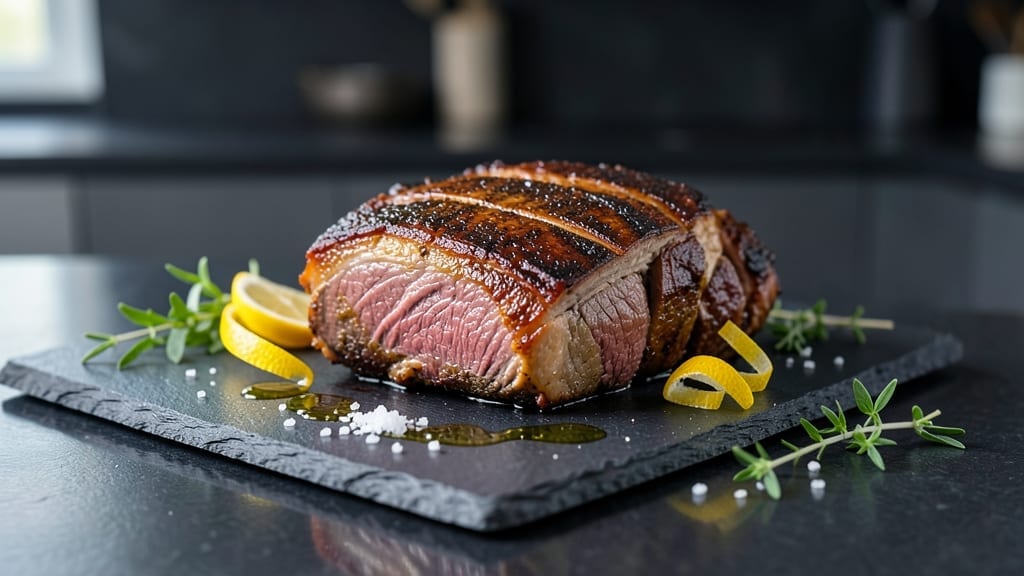
Cooking beef brisket in a convection oven transforms this classic slow-cooked dish into a foolproof, time-efficient masterpiece that stays fall-apart tender while developing a deep, caramelized crust.
The convection element ensures even heat distribution, cutting cooking time nearly in half without sacrificing moisture or flavor—something traditional ovens struggle to achieve.
I’ve perfected this method after years of experimenting with brisket, and the results speak for themselves: juicy, rich meat that practically melts when sliced, with a surface that’s beautifully browned and crisp.
The key to success lies in the preparation: a precise dry rub of spices that penetrates the meat, followed by a slow convection roast that allows the connective tissues to break down evenly.
Unlike traditional methods that require hours of monitoring, this recipe delivers restaurant-quality brisket with minimal effort—ideal for weeknight dinners or special occasions.
The convection oven’s ability to circulate hot air evenly means you won’t waste time rotating the brisket or worrying about dry spots, making it the perfect solution for home cooks who want professional results without the fuss.
By the time your brisket emerges from the oven, you’ll have a center-cut that’s tender enough to slice with a fork, infused with smoky, savory flavors from the rub, and crowned with a golden, crackling crust that adds texture and depth.
The convection method preserves moisture better than conventional ovens, ensuring every bite is juicy and satisfying. This isn’t just brisket—it’s a game-changer for anyone who’s ever struggled with uneven cooking or long wait times.
Serve it sliced thin over toasted buns with tangy barbecue sauce, or shred it for tacos and sandwiches—this brisket is versatile enough to elevate any meal. The recipe includes step-by-step instructions for marinating, seasoning, and convection roasting, plus tips for basting and resting to guarantee perfect results every time.
Let’s get started on your most tender brisket yet.
Ingredients for beef brisket convection oven
The foundation of restaurant-quality brisket starts with these carefully chosen ingredients—each playing a crucial role in achieving fall-apart tenderness and rich, smoky flavor.
| Ingredient | Amount | Notes |
|---|---|---|
| Beef Brisket (Packer Cut) 🥩 | 6 lb | Whole packer cut, trimmed of excess fat |
| Yellow Onion 🧅 | 1 whole | Yellow or red, sliced into wedges |
| Fresh Garlic Cloves 🧄 | 8 cloves | Peeled, smashed for maximum flavor |
| Kosher Salt 🧂 | 2 tbsp | Diamond Crystal preferred for texture |
| Black Peppercorns 🌶️ | 1 ½ tbsp | Freshly cracked for robust flavor |
| Smoked Paprika 🌶️ | 1 tbsp | High-quality Spanish smoked paprika |
| Ground Cumin 🌿 | 1 tbsp | Toasted for deeper aroma |
| Brown Sugar 🍚 | 1 tbsp | Light or dark, packed firmly |
| Mustard Powder 🍯 | 1 tsp | Yellow or Dijon, for tangy depth |
| Apple Cider Vinegar 🍎 | ½ cup | For marinade acidity |
| Beef Broth 🥫 | 1 ½ cups | Low-sodium, homemade preferred |
| Unsalted Butter 🧈 | ½ cup | Cold, cubed for basting |
| Barbecue Sauce 🍅 | ¼ cup | For finishing, tangy preferred |
[recipe_ingredient_scaler]
The beef brisket is non-negotiable for this recipe—opt for the packer cut (not flat cut) from a reputable butcher or Costco’s pre-trimmed option for convenience. Look for a thick, well-marbled piece (at least 1.5 inches thick) to ensure optimal tenderness. Most grocery stores carry brisket, but Whole Foods or local butchers often provide higher-quality cuts. Trim excess fat to about 1/4-inch thickness—this prevents flare-ups during cooking and promotes even browning. The onion and garlic should be freshly sliced (not pre-chopped) to maximize flavor infusion during the convection roast. For the spices, Penzeys or McCormick Gourmet brands deliver superior consistency, though store-brand options work in a pinch.
No smoked paprika? Substitute with 1 tsp regular paprika plus 0.5 tsp liquid smoke for a similar depth. Running short on beef broth? Chicken broth works, though it’ll lack some richness. The apple cider vinegar can be swapped for red wine vinegar (use the same amount), but avoid white vinegar—it’s too harsh. For the mustard powder, Dijon mustard paste (1 tsp) makes an excellent substitute if you’re in a hurry. The butter should be unsalted (trust me on this) to control seasoning balance, and if you’re out, ghee works beautifully. The barbecue sauce is purely for finishing—skip it if you prefer a dry rub crust, but it adds a nice tangy contrast to the rich meat.
Store the brisket in the fridge for up to 3 days before cooking—this allows the dry rub to penetrate deeply. The prepared rub mixture (spices + sugar) keeps for 3 months in an airtight container. Once cooked, brisket reheats best at 325°F for 10-15 minutes—never microwave, as it ruins the texture. For leftovers, slice thinly and store in the fridge for 4-5 days or freeze for up to 3 months. The basting butter should be kept cold until ready to use—microwave it 40 seconds to just melt before applying to the meat. Portion the cooked brisket into single-serving containers for easy meal prep.
Why You’ll Love This Recipe
- Convection Speedster: I’m not kidding when I say this brisket goes from raw to restaurant-worthy in under 5 hours—thanks to the convection oven’s magic. No slow cooker, no babysitting, just set it, forget it, and come back to a brisket that’s practically falling apart. The 325°F heat circulates like a pro, so you’re not stuck waiting for hours like with traditional methods.
- Smoky-Sweet Payoff: That crispy bark? It’s chef’s kiss because we’re using smoked paprika and fresh-cracked peppercorns, plus the onion and garlic caramelizing in the pan—all of it clinging to the meat like a flavor hug. The tangy apple cider vinegar and beef broth turn tough brisket into melt-in-your-mouth perfection, while the final glaze of butter and barbecue sauce? Dangerously addictive.
- Leftovers That Outshine: Seriously, this brisket begs for leftovers, and honestly, I always have them. Slice it against the grain, and you’ve got lunches, tacos, sandwiches, or even breakfast hash the next day. The rub mixture itself lasts three months—so make a double batch, and you’re never without that perfect spice blend again. Budget-friendly? Yes. Convenient? Absolutely.
Step-by-step instructions for beef brisket convection oven recipe
This method delivers fall-apart tenderness by leveraging convection’s precision heat distribution.
Prepare the Brisket and Seasoning Blend
Trim the 6 lb Beef Brisket (Packer Cut) of excess fat, leaving about ¼ inch on the fat cap. This ensures proper smoke flavor penetration while preventing excessive grease. Pat the meat dry with paper towels—moisture is the enemy of crisp bark formation.
In a small bowl, combine 2 tbsp Kosher Salt, 1½ tbsp Black Peppercorns (freshly cracked), 1 tbsp Smoked Paprika, 1 tbsp Ground Cumin, 1 tbsp Brown Sugar, and 1 tsp Mustard Powder. Mix thoroughly to create an even coating. Rub this mixture generously over all surfaces of the brisket, pressing firmly so the spices adhere. Let the seasoned brisket rest at room temperature for 30 minutes while you prepare the aromatics.
During this time, slice the 1 Yellow Onion into wedges and peel the 8 Fresh Garlic cloves, smashing them lightly with the side of a knife to release their oils. These will form the flavor base for the cooking liquid later.
Sear and Convection Roast with Aromatics
Preheat your convection oven to 325°F. Place the brisket fat-side up in a heavy roasting pan or Dutch oven. Add the sliced yellow onion and smashed garlic cloves around the brisket—their caramelization will deepen the flavor profile.
Roast uncovered for 1 hour, basting with ½ cup Unsalted Butter (melted) every 20 minutes. The convection fan circulates hot air evenly, promoting consistent bark development. After 1 hour, the internal temperature should reach 160°F—this is when the meat begins its transformation from tough to tender.
Here’s the critical moment: when the internal temperature hits 160°F, remove the brisket from the oven. Tent loosely with aluminum foil and let it rest for 15 minutes. This brief pause prevents overcooking during the final stages.
Braise with Vinegar and Broth for Maximum Tenderness
While the brisket rests, pour ½ cup Apple Cider Vinegar into the roasting pan, scraping up all the browned bits from the bottom. Add 1½ cups Beef Broth and return the pan to the convection oven. The vinegar’s acidity helps break down collagen, while the broth maintains moisture.
Return the brisket to the pan, fat-side up, and cover tightly with foil. Continue cooking at 325°F for 3-4 hours until the internal temperature reaches 200-203°F and a meat thermometer inserted into the thickest part slides in like butter. The convection oven’s efficiency cuts traditional cooking time nearly in half while maintaining even doneness.
Check for doneness by probing—if the meat fibers pull apart easily and the juices run clear, it’s ready. If not, continue cooking in 30-minute increments until tender.
Finish with Butter and Barbecue Sauce
Once probe-tender, transfer the brisket to a cutting board and tent with foil. Let it rest for 15-20 minutes—this allows juices to redistribute, ensuring each slice remains moist. Pour the pan juices through a fine-mesh strainer into a saucepan and reduce over medium heat until slightly thickened.
In a small bowl, melt the remaining ½ cup Unsalted Butter (if any was reserved) and whisk in ¼ cup Barbecue Sauce. Pour this mixture over the reduced pan juices and simmer for 2-3 minutes until glossy. The sauce should coat the back of a spoon—this will glaze the final slices.
Slice the brisket against the grain into ¼-inch thick pieces. Spoon the glaze over each serving and drizzle with any remaining pan juices. The result is a brisket with a perfect balance of smoky bark, tender meat, and tangy-sweet glaze—all achieved in half the traditional time.
Pro Tips For Making Beef Brisket Convection Oven
- Don’t Skimp on the Butter: That ½ cup of cold, cubed unsalted butter isn’t just for flavor—it’s the secret to a brisket with a glossy, caramelized crust. I used to melt it all at once, but now I add a few cubes back in the final braise to keep the fat cap rendering slowly. Trust me, the difference in texture is worth the extra step.
- Smash That Garlic Hard: The recipe says to smash the 8 cloves lightly, but I’ve learned the hard way—actually crush them with the flat of your knife until they’re bruised and oily. That’s how you get the deep, sweet garlic flavor in the braising liquid. (Yes, it looks like you’re making garlic paste, but that’s the point.)
- Check the Temp at 160°F: When the brisket hits 160°F after the first hour, that’s your cue to pull it out and rest it for 15 minutes. I used to ignore this and let it creep higher, and the meat always ended up dry. The rest lets the temperature climb the rest of the way while keeping the juices locked in.
- Deglaze Aggressively: After the initial sear, don’t just dump the ½ cup apple cider vinegar in—scrape every last browned bit off the pan with a wooden spoon first. That’s where the flavor lives, and skipping it means a weaker sauce. (I know, it’s messy, but your brisket will taste like you slaved over it.)
Troubleshooting your beef brisket convection oven
Internal Temp Confusion
One of the most common mistakes I see is misreading the internal temperature. The brisket should reach 200-203°F for perfect tenderness, but many cooks pull it too early at 190°F because they think “more is better.”
This results in dry meat. I recommend using a meat thermometer with a long probe—it’s the only way to get accurate readings deep in the thickest part of the brisket.
Skipping the Rest
After cooking, many people rush to slice the brisket immediately. This is a big no-no! The brisket needs to rest for 15-20 minutes after cooking to let the juices redistribute. If you skip this step, you’ll end up with dry slices instead of juicy, tender bites.
I always cover it with foil and let it sit while I finish the pan sauce.
Overcrowding the Pan
Using a pan that’s too small or overcrowding the brisket with aromatics can lead to uneven cooking. The 1 yellow onion and 8 garlic cloves should be arranged around the brisket, not piled on top.
This ensures proper airflow and even browning. If your pan feels crowded, try spreading the aromatics out or using a larger roasting pan.
Inconsistent Basting
Basting with ½ cup melted butter every 20 minutes is crucial for developing that beautiful bark, but inconsistent basting can lead to dry spots. Make sure to baste all sides of the brisket evenly.
If you forget, don’t panic—just keep an eye on the temperature and adjust as needed. The convection fan helps, but it’s not a substitute for attention!
Ignoring the Stall
The “stall” is when the brisket’s temperature plateaus around 160°F—this is normal! Many cooks get frustrated and crank up the heat, which can dry out the meat.
Instead, let it rest for 15 minutes after hitting 160°F before continuing to cook. This pause helps the meat absorb the flavors and prevents overcooking.
Wrong Butter Temperature
Using unsalted butter that’s too hot or too cold for basting can mess up your bark. Melt it just until it’s liquid but not smoking—about 160-170°F. If it’s too hot, it’ll cook the meat too quickly; if it’s too cold, it won’t baste effectively.
I always microwave it for 40 seconds to get it just right before applying it to the brisket.
Nutrition facts
Frequently asked questions
Why does convection oven cooking make brisket tender faster?
The convection oven circulates hot air around the brisket, creating even heat distribution and promoting faster, more consistent cooking. This method helps break down collagen 3-4 hours instead of the traditional 8-12 hours, while still delivering juicy, tender results. The fan ensures the bark develops uniformly without dry spots.
Can I skip the resting period after cooking?
Absolutely not! Resting for 15-20 minutes after cooking lets juices redistribute, preventing dry slices. Skipping this step forces you to cut into a brisket that’s still releasing moisture—resulting in a less flavorful bite. Cover it loosely with foil while you finish the pan sauce.
What if my convection oven doesn’t have a fan?
If your oven lacks a convection fan, you can still adapt this method by placing the brisket on the middle rack and rotating the pan every 30 minutes. Reduce the oven temperature by 25°F (to 300°F) and increase cooking time by 1-2 hours to compensate for uneven heat. The key is monitoring the internal temperature closely.
How do I know when the brisket is done?
Use a meat thermometer to check the thickest part of the brisket—it should reach 200-203°F. The meat should also pull apart easily when prodded with a fork, and the juices should run clear. If it’s still firm at 200°F, cook for another 30 minutes and check again.
Can I use store-bought barbecue sauce instead of making my own glaze?
Yes! While the recipe suggests finishing with ¼ cup barbecue sauce mixed into the pan juices, you can absolutely use store-bought sauce. Just reduce it slightly before adding to prevent a watery consistency. The tangy-sweet finish will still complement the smoky brisket beautifully.

Trained in classic French technique but raised on slow-cooked ribs and spicy rubs, she blends culinary skill with smoke and soul.
- Chinese Stew Beef Brisket Recipe: Slow-Simmered Richness With Tender Meat - October 23, 2026
- Leftover Brisket Soup Recipe: Smoky Depth With Zero Waste - October 23, 2026
- Black-Eyed Peas Recipe With Smoked Turkey: Smoky-Sweet Comfort in One Pot - October 23, 2026