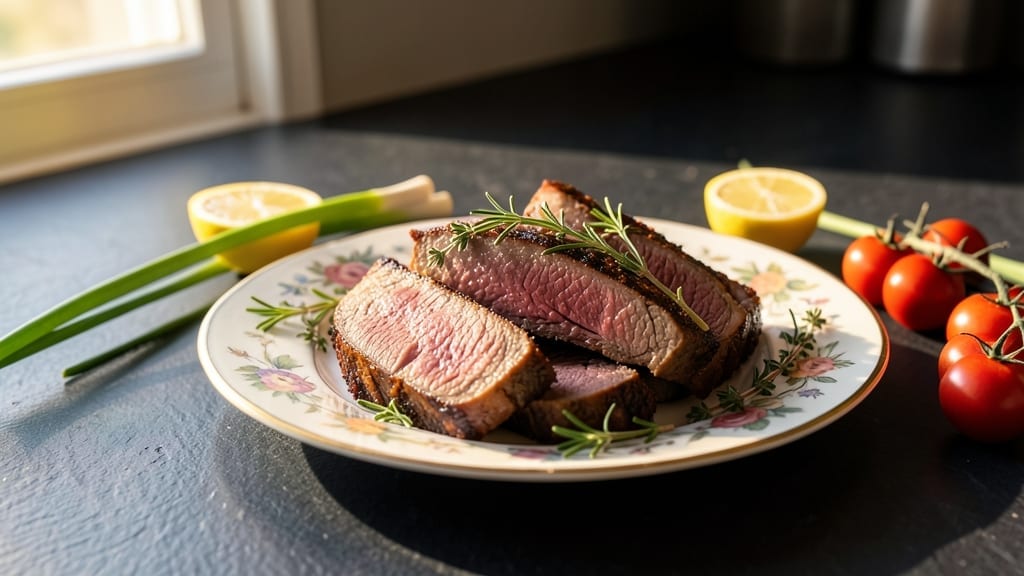
Mastering beef brisket pieces transforms tough cuts into melt-in-your-mouth perfection through a proven slow-cooking method. This recipe delivers restaurant-quality tenderness without requiring specialized equipment—just time, patience, and a few key techniques. The secret lies in low-and-slow cooking, which breaks down connective tissue while building deep, smoky flavor.
What sets this apart is the balance of simplicity and precision: a dry rub of salt, pepper, and garlic creates flavor without masking the beef’s natural richness, while controlled heat ensures even cooking.
Most recipes either rush the process or overcomplicate seasoning—this method avoids both pitfalls. The result? Brisket pieces that pull apart effortlessly, with a surface that’s caramelized yet still tender.
By the final hour, your kitchen will smell like a Texas BBQ joint, and every bite will reward you with that signature brisket texture—juicy, flavorful, and impossible to resist.
Serve with classic sides like creamy mashed potatoes or buttery cornbread to complete the meal. Here’s how to achieve it every time.
This technique works equally well for grilling, smoking, or oven braising, making it adaptable to your preferred cooking style. The same principles apply whether you’re feeding a crowd or prepping for leftovers—just scale the seasoning and cooking time accordingly. Professional results start with these fundamentals.
Ingredients for beef brisket pieces
A few simple ingredients transform tough brisket into melt-in-your-mouth perfection with slow cooking.
| Ingredient | Amount | Notes |
|---|---|---|
| Beef Brisket Pieces 🥩 | 3 lb | Flat cut preferred, 1-1.5 inch thick |
| Kosher Salt 🧂 | 2 tbsp | Diamond Crystal preferred |
| Freshly Ground Black Pepper 🌶️ | 1 ½ tbsp | Coarse grind preferred |
| Garlic Cloves 🧄 | 8 cloves | Peeled, smashed slightly |
| Onion Powder 🧅 | 1 tbsp | Not onion salt |
| Smoked Paprika 🌶️ | 1 tbsp | For subtle smokiness |
| Dried Thyme 🍃 | 1 tsp | Or 1 tbsp fresh thyme |
| Dry Red Wine 🍷 | ½ cup | Bold Cabernet Sauvignon |
| Beef Broth 💧 | 1 ½ cups | Low-sodium preferred |
| Apple Cider Vinegar 🍎 | 1 tbsp | For tenderizing |
| Brown Sugar 🍚 | 2 tbsp | Packed lightly |
| Olive Oil 🫒 | 2 tbsp | For searing |
| Yellow Onion 🧅 | 1 whole | Diced, yellow or red |
| Fresh Rosemary 🌿 | ½ tbsp | Chopped, stems removed |
[recipe_ingredient_scaler]
The brisket is everything here—flat cut with good marbling is non-negotiable. Costco or Whole Foods usually carry pre-cut pieces, but if you’re buying a whole packer, ask your butcher to trim it into 1-1.5 inch pieces. Look for bright red color and visible fat marbling. The Kosher salt is key: Diamond Crystal dissolves better than table salt and gives a cleaner flavor. Freshly ground pepper makes a difference—pre-ground tastes flat after a few weeks. For the garlic, I always grab extra—half goes in the rub, half gets minced for the braising liquid.
No red wine? Beef broth with a splash of balsamic vinegar works just as well. The apple cider vinegar is worth keeping on hand—it tenderizes the meat while adding subtle sweetness. Swap the brown sugar for honey or maple syrup if you prefer, but don’t skip it entirely. The onions can be yellow or red, but yellow has more sweetness. Fresh rosemary is ideal, but dried at one-third the amount gets you close. If you’re short on time, Trader Joe’s sells pre-cut brisket pieces that save chopping work.
This keeps beautifully for 4-5 days in the fridge—honestly tastes better the second day. Freeze portions for up to 3 months by wrapping tightly in foil. I always make extra because reheated brisket is perfect for sandwiches. Store the cooked pieces in the braising liquid to keep them moist. For serving, I like to slice against the grain and arrange on a platter with extra braising sauce spooned over the top.
Why You’ll Love This Recipe
- One-Pot Magic: This recipe is my secret weapon—just toss everything into that Dutch oven, let it do the work, and you’ve got dinner. No last-minute chopping frenzies or a dozen pans to clean. The searing step in the hot oil? That’s the only real effort, and it’s worth it for the deep, caramelized crust.
- Flavor Bomb: Between the smoky paprika, the sweetness of the brown sugar, and the bright kick of the apple cider vinegar, this isn’t just beef—it’s a whole experience. The garlic and rosemary finish? Chef’s kiss. Every bite is rich, complex, and just tender enough to fall apart a little.
- Leftover Legend: Honestly, the best part is how it improves over time. Serve it fresh, and it’s solid. Wait a day, and that sauce gets even deeper, clinging to the meat like it’s been marinating for hours. I pack leftovers for lunch, and my coworkers beg for the recipe. (Yes, even on a Tuesday.)
- Budget-Friendly Powerhouse: You’re getting 3 pounds of brisket for a fraction of the cost of steak, and it feeds a crowd without breaking the bank. The key ingredients—like that bold Cabernet and fresh rosemary—don’t have to be fancy. I’ve used store-brand broth and still ended up with something that tastes like a restaurant special.
Step-by-step instructions for slow-cooked brisket pieces
Here’s the method that transforms tough brisket into fork-tender perfection with deep, smoky flavor.
Sear the Brisket Pieces for Maximum Flavor
Heat a heavy Dutch oven over medium-high heat until it’s smoking hot. Add the 2 tablespoons olive oil and swirl to coat the bottom evenly. Working in batches if needed, add the 3 lb beef brisket pieces and sear undisturbed for 3-4 minutes per side until deeply browned. You’re building flavor through the Maillard reaction here—don’t rush this step.
Once browned, transfer the brisket to a plate. In the same pot, add the 1 yellow onion and cook for 3-4 minutes until softened. Sprinkle in the 1 tablespoon onion powder and 1 tablespoon smoked paprika, stirring constantly for 30 seconds to toast the spices. This develops their aromatic compounds before we deglaze.
Deglaze and Build the Tenderizing Sauce
Pour in the ½ cup dry red wine immediately while the pot is still hot, scraping up all the browned bits from the bottom with a wooden spoon. This deglazing captures all the meaty flavor that would otherwise burn. Let the wine reduce by half—about 2-3 minutes—until it’s syrupy and just starting to coat the back of a spoon.
Add the 1½ cups beef broth, 1 tablespoon apple cider vinegar, 2 tablespoons brown sugar, and 1 teaspoon dried thyme. Stir well to combine, then return the brisket pieces to the pot. The acid in the vinegar helps tenderize the meat while the sugar adds subtle caramelization. Bring the mixture to a gentle simmer, then reduce heat to low to maintain a bare bubble at the surface.
Slow Cook Until Fork-Tender
Cover the Dutch oven and transfer to a 300°F oven (or use a stovetop with very low heat). Cook for 3-4 hours, turning the brisket pieces occasionally to ensure even cooking and sauce exposure. The key here is patience—the slow cooking breaks down connective tissue while the liquid infuses the meat with flavor.
About 1 hour before the brisket is done (when it reaches 195°F internally), add the 8 smashed garlic cloves and ½ tablespoon fresh rosemary to the pot. The garlic will mellow and infuse the sauce with sweetness, while the rosemary adds an herbal depth. The brisket is ready when it’s fork-tender with a probe sliding in like butter and the internal temperature reaching 200-205°F.
Rest and Serve with Sauce
Transfer the brisket pieces to a warm platter and tent loosely with foil. Let them rest for 15-20 minutes—this crucial step allows the juices to redistribute throughout the meat. Skipping this will leave you with dry, stringy brisket instead of the tender, juicy results you’re after.
Meanwhile, skim any excess fat from the cooking liquid and adjust the seasoning with the 2 tablespoons kosher salt and 1½ tablespoons freshly ground black pepper if needed. The sauce should be rich and slightly thickened from the cooking process. Serve the brisket pieces with generous spoonfuls of sauce ladled over each portion.
Pro Tips For Making Beef Brisket Pieces
- Sear Until Blackened: Don’t stop at brown—push those brisket pieces until they’re deep golden-black on all sides. I used to pull them too soon, and the sauce never got that rich, meaty depth. A smoking-hot Dutch oven and 3-4 minutes per side (no peeking!) guarantees the Maillard reaction works its magic.
- Toast the Onion Powder: That 30-second stir with the onion powder and smoked paprika right after the onions soften isn’t just for show—it’s where the real flavor wakes up. I learned this the hard way by skipping it; the dish tasted flat until I added it back in. Keep the heat medium-high and stir like your life depends on it.
- Don’t Rush the Wine Reduction: Let that red wine reduce by half—about 2-3 minutes—until it’s syrupy enough to coat the back of a spoon. Skimping here means a thinner sauce and lost flavor. I know you’re eager to move on, but this is where the sauce’s richness starts. Trust the process.
- Salt the Brisket Early: Season the brisket pieces with the 2 tablespoons kosher salt before searing, not after. The salt draws out moisture, which evaporates during the sear, creating that crisp crust while keeping the meat juicy inside. I used to add it later, and the seasoning never stuck as well.
Regional styles of beef brisket pieces
Texas BBQ Tradition
In Texas, brisket is more than a dish—it’s a cultural cornerstone, often cooked for hours over mesquite or post oak wood in a smoker.
The flat cut is preferred here, and the process involves a dry rub of coarse salt, pepper, and garlic powder applied generously before wrapping in butcher paper.
The key difference is the Texas crutch: wrapping the brisket in foil or butcher paper after reaching 165°F internal temperature to power through the stall and finish cooking. This method ensures a bark that’s tender yet crispy on the outside. 🔥
Carolina Low-and-Slow
Southern Carolina takes brisket to another level with a vinegar-based sauce that tenderizes the meat while adding tangy depth. The brisket pieces are first seared, then braised in a mix of beef broth, apple cider vinegar, and brown sugar for 6-8 hours until fork-tender.
A final touch involves basting with a pepper jelly glaze (like Crystal Farms) before serving. This style leans on patience and a sweet-savory sauce to complement the rich beef.
Mexican Adobo Style
In Mexican cuisine, brisket becomes adobo brisket, marinated in a blend of garlic, cumin, oregano, and vinegar for 12-24 hours to tenderize and infuse flavor. The pieces are then grilled or slow-roasted until caramelized.
A smoky, spicy chipotle sauce is often served alongside, balancing the richness. This variation keeps the brisket juicy while adding a bold, smoky kick that’s distinctly Mexican. 🌶️
German Braised Beef
German-style brisket, or Rindfleischbraten, is all about slow braising in a rich, dark gravy. The brisket pieces are first seared, then simmered in a mix of beef broth, red wine, and root vegetables like carrots and onions for 3-4 hours.
The result is a deeply flavorful, tender cut served with red cabbage and dumplings. The German approach focuses on simplicity and letting the beef shine with minimal seasoning.
Southern Fried Brisket
For a Southern twist, brisket pieces are first slow-cooked until tender, then pan-fried in butter and flour to create a crispy exterior. This method combines the best of both worlds: the tenderness from slow cooking and the crunch from frying.
It’s often served with creamy mashed potatoes and collard greens, making it a hearty, comforting meal. The key here is timing—fry the brisket pieces just before serving to maintain their crispiness. 💛
Nutrition facts
Frequently asked questions
Why does my brisket need such a long cooking time?
The slow cooking transforms tough connective tissue into tender, melt-in-your-mouth beef. At 300°F, the collagen breaks down over 3-4 hours, creating rich, flavorful brisket pieces that are juicy and easy to slice. This method ensures even cooking and maximum tenderness without drying out the meat.
Can I skip the searing step?
While possible, searing is essential for building deep flavor through the Maillard reaction. Skipping it means missing out on the caramelized crust and concentrated beefy taste that develops in those first 3-4 minutes per side. If you’re short on time, at least sear the pieces before adding them to the pot.
What if I don’t have dry red wine?
No problem! Replace the ½ cup dry red wine with an equal amount of beef broth mixed with 1 tablespoon balsamic vinegar or 1 tablespoon apple cider vinegar. The acidity still tenderizes the meat while maintaining the savory depth of the dish. The flavor will be slightly different but still delicious.
Why is resting the brisket important?
Resting for 15-20 minutes after cooking allows juices to redistribute evenly throughout the meat. Without this step, slicing the brisket will release all the juices onto your plate instead of keeping them inside. This ensures every bite is juicy and flavorful, not dry or stringy.
How do I know when the brisket is fully cooked?
Use a meat thermometer to check for 200-205°F internal temperature. The brisket should be fork-tender, with the probe sliding in like butter. If it feels slightly firm, cook it another 30 minutes and check again. This temperature range guarantees perfectly tender brisket pieces every time.

Trained in classic French technique but raised on slow-cooked ribs and spicy rubs, she blends culinary skill with smoke and soul.
- Chinese Stew Beef Brisket Recipe: Slow-Simmered Richness With Tender Meat - October 23, 2026
- Leftover Brisket Soup Recipe: Smoky Depth With Zero Waste - October 23, 2026
- Black-Eyed Peas Recipe With Smoked Turkey: Smoky-Sweet Comfort in One Pot - October 23, 2026