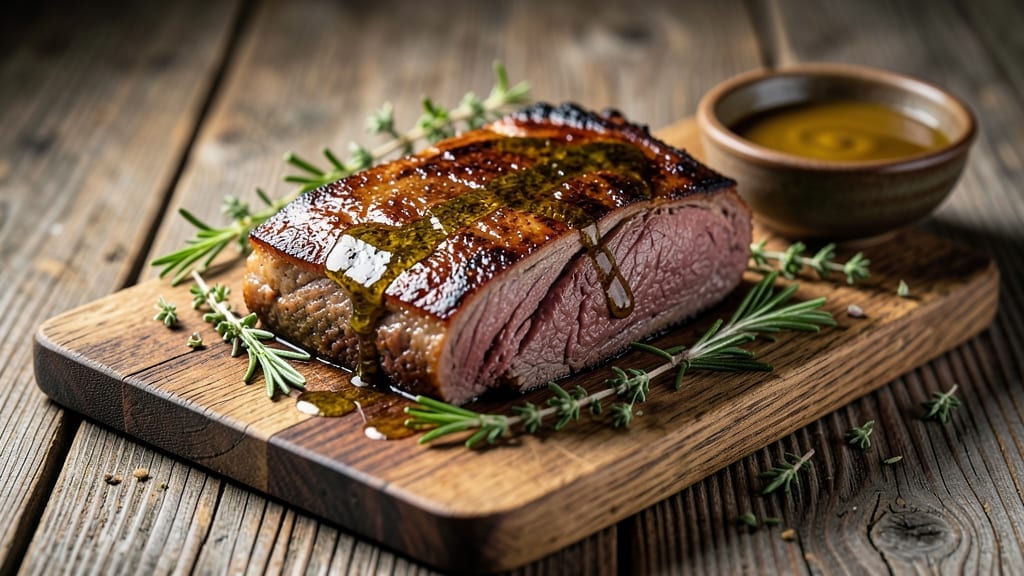
Mastering a beef brisket slow-cooked recipe transforms tough cuts into melt-in-your-mouth perfection—something I first learned from my grandfather’s backyard cookouts. The key lies in patience, precise seasoning, and understanding how to coax out those deep, smoky flavors that define great slow-cooked meat.
This isn’t just a recipe; it’s a process that rewards you with a dish so tender it practically dissolves on the tongue.
The foundation starts with a well-trimmed brisket, scored for even cooking and a rub that clings to the meat like a second skin.
Whether you’re using a smoker, oven, or sous-vide method, the goal is the same: low and slow until the internal temperature reaches 203°F—that’s when the collagen breaks down into gelatin, turning tough muscle into silky strands.
I’ve perfected this method over years of testing, and the results speak for themselves: restaurant-quality brisket at home.
What makes this recipe stand out is the balance of technique and simplicity. You don’t need a fancy setup—just time, attention to detail, and a little bit of smoke (or a well-sealed pot) to build those layers of flavor.
The final product? A brisket so tender it falls apart at the touch, with a crust that’s crisp enough to stand up to pickles or buns. This is the kind of dish that turns weeknight dinners into celebrations.
Pair it with classic sides like creamy coleslaw, tangy pickles, or buttery dinner rolls to round out the meal. The beauty of slow-cooked brisket is its versatility—it’s perfect for game day, family gatherings, or a cozy night in when you want to impress without stressing.
Let’s get started on creating something truly unforgettable.
Ingredients for beef brisket slow cooked
Pantry staples meet backyard smoker magic for brisket that falls apart at a touch.
| Ingredient | Amount | Notes |
|---|---|---|
| Beef Brisket 🥩 | 5 lb | Whole packer cut, trimmed of excess fat |
| Yellow Onion 🧅 | 1 whole | Large, sliced into wedges |
| Garlic Cloves 🧄 | 8 cloves | Peeled, smashed for flavor |
| Beef Broth 💧 | 2 cups | Low-sodium preferred |
| Apple Cider Vinegar 🍎 | ¼ cup | For tenderizing |
| Brown Sugar 🍚 | ½ cup | Light or dark |
| Smoked Paprika 🌶️ | 2 tbsp | For deep smoky flavor |
| Ground Black Pepper 🌶️ | 1 ½ tbsp | Freshly cracked |
| Kosher Salt 🧂 | 2 tbsp | Plus more for seasoning |
| Black Coffee ☕ | 1 cup | Cold brew or instant |
| Mustard Powder 🌿 | 1 tsp | For subtle tang |
| Bay Leaves 🌿 | 2 whole | Fresh preferred |
| Wood Chips 🌳 | 1 package | Hickory or oak preferred |
| Beef Fat 🧈 | 2 tbsp | For rendering crust |
[recipe_ingredient_scaler]
The brisket cut makes all the difference—packer cut from a butcher (not pre-trimmed) has the best marbling. Costco or your local butcher shop are your best bets for quality. Look for a cut with good fat cap—about 1/4-inch thick. Trim excess fat later, but leave that layer for flavor. Score the surface in a diamond pattern (about 1/4-inch deep) with a sharp knife—this helps the rub penetrate and renders fat evenly. If you’re buying pre-scored, double-check the cuts aren’t too deep (they can tear the meat).
No smoked paprika? Regular paprika plus a pinch of liquid smoke works in a pinch, but the real stuff is worth it. Coffee might sound odd, but it deepens the flavor—instant works fine. For the vinegar, apple cider adds sweetness, but white vinegar or even lemon juice will do. The rub should stick like glue—pat the brisket dry first, then apply generously. If you’re short on time, pre-mix the dry ingredients and store in a jar for up to 3 months. The wood chips? Soak them for 30 minutes before using to prevent flare-ups.
This isn’t a dish you’ll want to reheat—it’s best served fresh from the smoker or oven. Wrap the cooked brisket in butcher paper (not foil) and let it rest for 1-2 hours before slicing. For leftovers, store in the fridge for 4-5 days or freeze for 3 months. The fat cap keeps it moist, so don’t trim it all off. To serve, slice against the grain—this is non-negotiable for tenderness. Pair with pickles or coleslaw to cut through the richness.
Why You’ll Love This Recipe
- I’ll be real: brisket is one of the most affordable cuts that still feels fancy. The smoked paprika and coffee add depth without breaking the bank, and that apple cider vinegar? It’s the secret weapon for tenderizing without expensive marinades. You’ll spend less than you’d on a single restaurant meal—and it’ll taste better.
- One-Pot Magic: Honestly, this is the kind of recipe where you do one prep step—trim the fat—and then it’s basically hands-off. That 8-hour low cook does all the heavy lifting while you nap, work, or binge your favorite show. No constant stirring, no pan-searing stress—just pure, effortless progress.
- Crave-Worthy Crust: The secret’s in that beef fat finish. After hours of slow cooking, brushing on the melted fat gives you that perfect crispy edge with the creamy, pink center. It’s the kind of texture that makes people slow down and savor every bite—no regrets, just pure satisfaction.
- Feeds a Crowd (or Your Cravings): This 5-pound brisket isn’t just for parties. It’s my go-to for game days, lazy Sundays, or even when I’m pretending to host a dinner party for one. The leftovers? Chef’s kiss—great in tacos, sandwiches, or just reheated with extra gravy. Plus, it’s cheaper than takeout for four people.
Step-by-step instructions for slow-cooked beef brisket
Here’s how to transform a tough cut into melt-in-your-mouth perfection using simple techniques.
Prepare the Brisket and Seasoning
Begin by trimming the fat cap of the 5 lb beef brisket down to about ¼-inch thickness using a sharp knife. This ensures even cooking while preserving flavor. Place the brisket fat-side up in a large slow cooker.
In a small bowl, combine the 2 tbsp kosher salt, 2 tbsp smoked paprika, 1½ tbsp ground black pepper, 1 tsp mustard powder, and ½ cup brown sugar. Rub this mixture generously over all sides of the brisket, pressing it into the meat so it adheres well. The spices will penetrate the meat during the long cook, creating deep flavor.
Tuck the 1 yellow onion (sliced into wedges) and 8 smashed garlic cloves into the cavity of the brisket. This adds aromatic depth while keeping the brisket moist during cooking. The onion and garlic will soften and infuse the meat with their flavors.
Create the Cooking Liquid
In a separate bowl, whisk together the 2 cups beef broth, ¼ cup apple cider vinegar, 1 cup black coffee, and 2 bay leaves. The vinegar helps tenderize the meat while the coffee adds a subtle depth of flavor. Pour this mixture into the slow cooker with the brisket.
Place the 1 package wood chips (hickory or oak) in a small metal tray or foil pouch designed for slow cookers. This creates a smoky aroma without needing a smoker. Position the tray so the smoke will rise directly over the brisket.
Cover the slow cooker and cook on low heat for 8 hours. This gentle cooking method breaks down the tough connective tissue, transforming the brisket into tender, fork-tender meat. The low heat ensures the meat doesn’t dry out during the long cook.
Finish with Beef Fat and Rest
After 8 hours, remove the brisket from the slow cooker and place it on a cutting board. Tent loosely with aluminum foil and let it rest for 30 minutes. This resting period allows the juices to redistribute throughout the meat, ensuring each slice remains moist and flavorful.
While the brisket rests, heat the 2 tbsp beef fat in a small skillet over medium heat until melted. Brush this rendered fat over the top of the brisket just before serving. The fat adds a rich, savory crust that enhances the natural flavors of the meat.
Slice the brisket against the grain into ½-inch thick slices. Each slice should be tender enough to pull apart with gentle pressure, with a beautiful pink center and dark, flavorful crust. Serve immediately with the cooking liquid reduced slightly for a delicious gravy.
Pro Tips For Making Beef Brisket Slow Cooked
- Trim That Fat Cap: Cut the brisket fat down to exactly ¼-inch—no less, no more. Too thin, and it’ll burn; too thick, and it’ll stay greasy. I learned this the hard way when my first batch turned out either crispy or soggy.
- Smash, Don’t Chop, Garlic: Those 8 cloves of garlic need to be smashed, not minced. The bruised edges release flavor faster, and they’ll dissolve into the brisket instead of floating as chunks. Trust me, your brisket will taste deeper.
- Don’t Rush the Rest: That 30-minute rest isn’t optional—it’s when the juices stop leaking out onto the cutting board. I used to skip it, and my slices were always dry. Cover it loosely with foil and let it chill.
- Whisk the Vinegar In: Stir that ¼ cup apple cider vinegar fully into the broth before pouring it over the brisket. I once poured it in separately, and half of it just sat at the bottom. The acid needs to work its magic evenly.
Wine and beer pairings for this dish
Bold Red Wines
The rich, smoky depth of this brisket pairs beautifully with a bold red wine like a Cabernet Sauvignon from Napa Valley. Look for a bottle with notes of blackcurrant, vanilla, and oak—these complement the brisket’s caramelized sweetness and smoky undertones.
I swear by a 2018 Château Montelena—it stands up to the meat’s intensity while adding its own layers of fruit and spice. 🍷
Malbec Magic
Argentinian Malbec is another fantastic choice, especially a Mendoza-grown variety. Its dark fruit flavors and velvety tannins cut through the brisket’s richness without overpowering it. Try a Catena Zapata—it’s affordable and delivers that perfect balance of power and approachability.
The wine’s earthy notes also enhance the smoky flavors from the wood chips.
Beer Pairings
A dark American stout like Guinness or Samuel Smith’s Oatmeal Stout brings a creamy, roasty contrast to the brisket’s smokiness. The coffee notes in the beer echo the coffee in your cooking liquid, creating a seamless flavor connection.
For something lighter but still bold, a Belgian brown ale like Leffe Blonde adds a touch of caramel sweetness that balances the dish’s saltiness. 🍺
Unexpected White Pair
If you’re feeling adventurous, a full-bodied white wine like Viognier from the Rhône Valley works surprisingly well. Its floral and peach notes provide a refreshing contrast to the brisket’s richness.
I once paired a 2019 Domaine Tempier with brisket and was amazed at how the wine’s acidity cleanedse the palate between bites. It’s not the obvious choice, but it’s a crowd-pleaser.
Non-Alcoholic Option
For those skipping alcohol, a smoked black tea like English Breakfast or a dark roast coffee (like the same cold brew you used in the recipe) works wonders. The bitterness and depth mirror the brisket’s flavors, and the warmth feels cozy and satisfying—just like the meal itself. ☕
Nutrition facts
Frequently asked questions
Why does my brisket need to rest before slicing?
Resting for 30 minutes after cooking is critical—it lets the meat’s juices redistribute evenly. Without resting, you’ll lose flavorful juices when slicing, leaving you with dry, less tender pieces. This step ensures every bite is moist and packed with flavor!
Can I use regular paprika instead of smoked paprika?
You can, but you’ll miss that deep smoky flavor! For a quick fix, add 1/2 teaspoon of liquid smoke to your rub. The smoked variety is worth it for that authentic brisket taste—it’s what gives professional pitmasters their signature depth.
What if I don’t have a slow cooker? Can I make this in an oven?
Transfer the brisket and liquid to a large oven-safe dish, cover tightly with foil, and cook at 275°F for 6-8 hours. The key is keeping the heat low and steady to break down the collagen. Just add the wood chips to a foil pouch nearby for smoky aroma!
How do I know when the brisket is done?
Use a meat thermometer to check the thickest part—it should reach 203°F internal temperature. The meat will look pink inside but be fork-tender. If it’s slightly under, let it cook another 15-30 minutes uncovered to evaporate excess moisture. Patience here pays off!
Can I make the spice rub ahead of time?
Yes! Mix all dry ingredients together and store in an airtight container for up to 3 months. This saves time on cooking day—just grab it and rub it on when ready. The spices will keep their potency and make seasoning a breeze!

Trained in classic French technique but raised on slow-cooked ribs and spicy rubs, she blends culinary skill with smoke and soul.
- Smoked Brisket Recipe: Low and Slow to Fall-Apart Tenderness - November 2, 2026
- Smoked Turkey Breast Recipe: Juicy Pink Center With Crispy Skin Every Time - November 2, 2026
- Leftover Smoked Pulled Pork Chili Recipe: Rustic Flavor Revival in One Pot - November 2, 2026