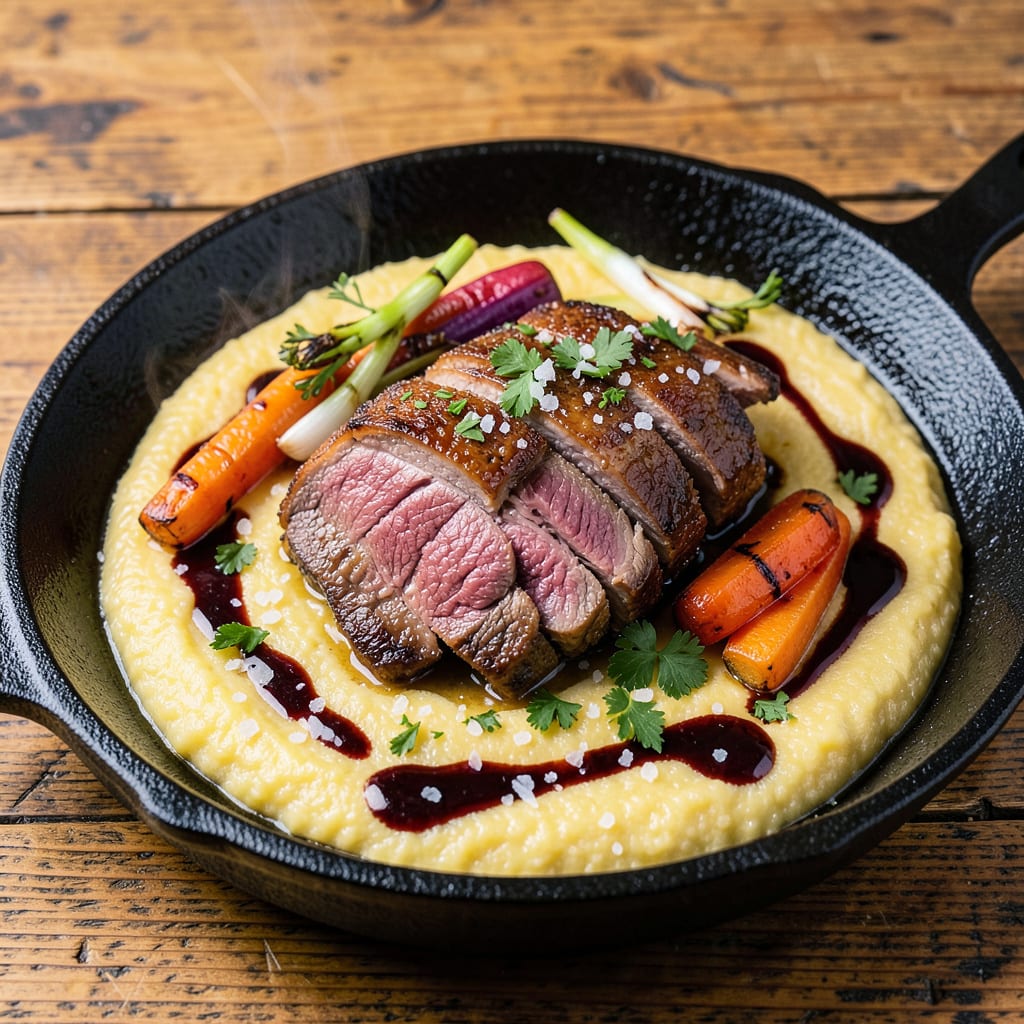
Beef chuck comes from the cow’s shoulder area, offering rich, beefy flavor and tough yet well-marbled meat. It’s ideal for slow cooking methods like braising or stewing, transforming into tender, flavorful dishes when prepared properly.
This cut’s magic lies in its connective tissue—when exposed to low, steady heat, the collagen melts into gelatin, creating that signature melt-in-your-mouth texture. 🔥 I’ve found that chuck’s fat marbling acts like built-in flavor insurance, keeping the meat juicy even during long cooking sessions. What surprises many home cooks is how versatile it becomes: the same cut that makes a perfect pot roast can also be ground for the richest burgers or cubed for hearty kebabs.
The shoulder’s constant use gives chuck its robust character, which stands up boldly to strong spices and aromatic vegetables. ✨ Unlike tender cuts that demand quick cooking, chuck rewards patience—its transformation from tough to succulent is what makes it a favorite among pitmasters and home chefs alike. I always recommend seeking out well-marbled pieces from your butcher for the best results.
💡 In This Article
- Why Beef Chuck Excels in Slow-Cooked Dishes
- Top 5 Beef Chuck Cuts and How to Cook Them
Why Beef Chuck Excels in Slow-Cooked Dishes
The secret lies in beef chuck’s dense connective tissue network. This cut contains abundant collagen fibers that require prolonged exposure to moist heat (typically 275-325°F for 2-4 hours) to fully break down. As the collagen slowly renders, it transforms into gelatin—a process that begins around 160°F and continues until the internal temperature reaches 195-205°F.
This gelatin gives slow-cooked chuck its signature silky texture and rich mouthfeel. 🔥
What sets chuck apart from leaner cuts is its intramuscular fat content, averaging 15-20% marbling. These fat deposits melt gradually during cooking, basting the meat from within. Unlike tenderloin (which has only 4-6% fat), chuck’s marbling creates self-basting pockets that prevent drying.
The fat also carries flavor compounds that develop through Maillard reactions at the meat’s surface, producing complex caramelized notes that leaner cuts simply can’t match.
The shoulder’s constant use gives chuck its robust muscle structure, which responds beautifully to slow cooking methods. When you braise chuck at 300°F for 3-4 hours, the muscle fibers gradually separate while the connective tissue dissolves. This creates that perfect “pull-apart” tenderness you can’t achieve with quick cooking.
I’ve found that adding acidic ingredients like tomatoes or wine (pH ~3-4) helps accelerate collagen breakdown by about 20-30%, shaving time off the cooking process. ✨
Moist-heat methods work particularly well because they maintain the ideal temperature range for collagen conversion. In a 325°F oven, chuck roasts lose only about 15-20% of their moisture through evaporation, compared to 30-40% loss in dry-heat methods.
The enclosed environment also allows flavors to concentrate—something I leverage when building layered braising liquids with aromatics and spices. The result is meat that’s not just tender, but deeply infused with flavor.
Here’s what most home cooks miss: chuck’s flavor actually improves with longer cooking times. After about 2 hours, the meat’s natural enzymes begin breaking down proteins into amino acids, which then react with sugars to create new flavor compounds.
This is why a 4-hour chuck stew tastes dramatically richer than one cooked for just 90 minutes. The extended time allows for more complex flavor development through both enzymatic action and thermal reactions. 💫
For best results, I recommend cutting chuck into 2-inch cubes for stews or keeping roasts whole (about 3-4 pounds) for pot roasting. The uniform size ensures even cooking and collagen breakdown.
Always sear the meat first at 400°F for 2-3 minutes per side to develop the initial flavor foundation through caramelization—this step makes all the difference in the final dish’s depth of flavor. ⚡

Trained in classic French technique but raised on slow-cooked ribs and spicy rubs, she blends culinary skill with smoke and soul.
- Recipe for Boneless Pork Chops in Cast Iron Skillet: Sear and Baste to Juicy Perfection - October 3, 2026
- Recipe for Boneless Cross Rib Roast: Slow-Roasted Beef with Herb Crust - October 3, 2026
- Hamburgers in Sauce Recipe Crock Pot: Slow-Cooked Savory Delight - October 3, 2026