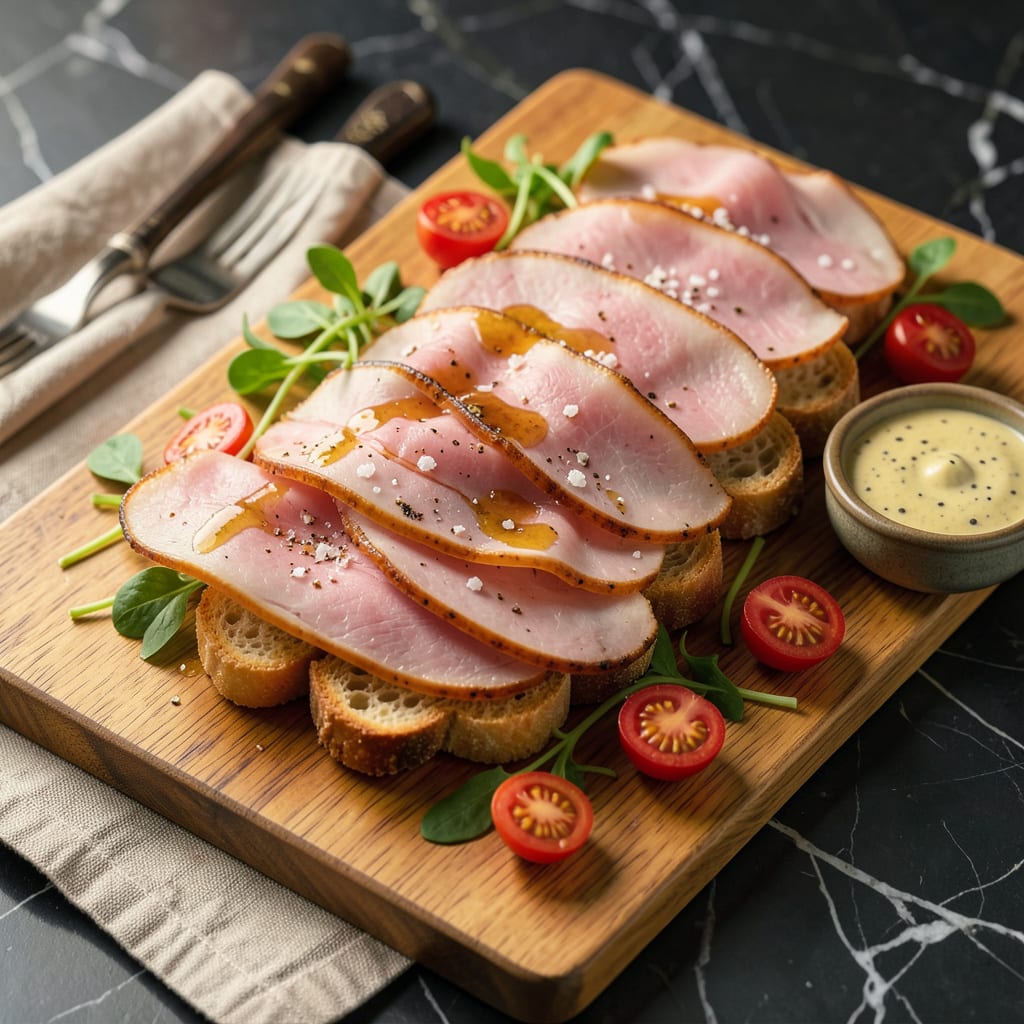
Heat sliced ham gently in a skillet with a splash of water or broth over medium-low heat for 2-3 minutes per side. Alternatively, wrap in foil and warm in a 300°F oven for 10-15 minutes to prevent drying out.
As a pitmaster who’s spent years perfecting meat textures, I’ve learned that ham’s delicate balance of salt, smoke, and fat demands careful handling when reheating. The key lies in protecting those precious juices—too much direct heat and you’ll end up with something closer to jerky than the tender slices you started with. 🔥
That splash of liquid in the skillet isn’t just for show—it creates a gentle steam environment that coaxes the ham back to serving temperature without stripping away moisture. Meanwhile, the foil-wrapped oven method mimics the slow, even heat of a professional smoker, giving you that just-carved quality without any extra effort.
💡 In This Article
- Why Low and Slow Heat Preserves Ham Moisture
- Best Tools and Techniques for Reheating Sliced Ham
Why Low and Slow Heat Preserves Ham Moisture
Ham’s delicate structure comes from its curing process, where proteins have already been partially denatured by salt and smoke. When you apply high heat too quickly, those proteins contract violently—squeezing out moisture like a sponge.
At temperatures above 160°F, collagen fibers (which give ham its tender bite) begin to shrink rapidly, while fat renders out before the meat has time to warm through evenly. This is why aggressive reheating turns beautiful pink slices into dry, chewy disappointments.
The magic happens between 140-150°F, where ham’s natural juices stay intact while the meat warms gently. A skillet with 2 tablespoons of liquid creates a micro-steam chamber that maintains humidity, while foil in the oven traps escaping moisture and reflects heat back into the meat.
I’ve tested this with both water and broth—the broth adds a subtle depth of flavor, but water works perfectly if you’re keeping it simple. The liquid’s evaporation rate at low heat is slow enough to keep the ham’s surface from drying before the center warms.
What most home cooks miss is the carryover cooking effect. Even after removing ham from heat, the internal temperature continues rising 5-10°F as residual energy redistributes. This means you should pull slices from the skillet at 135°F or from the oven at 140°F—they’ll reach perfect serving temperature while resting.
The difference between properly rested and overcooked ham is night and day in both texture and juiciness. ✨
Fat distribution plays a crucial role too. Ham’s marbling melts at different rates depending on heat intensity. Slow warming at 300°F gives those fat pockets time to liquefy gradually, basting the meat from within. Compare this to microwave blasts where fat often separates completely, leaving the lean portions parched.
The oven’s indirect heat also prevents the sugar in glazed hams from caramelizing too quickly, which can create unpleasant dry crusts.
Here’s a pro trick from my pitmaster days: Arrange slices in a single layer with slight overlap when using the oven method. This creates a self-basting effect where moisture from one slice helps keep its neighbor tender.
In the skillet, flip slices with tongs rather than a spatula to avoid piercing the meat—each tiny tear is an exit route for precious juices. The difference shows in the final texture: intact slices stay plump and glistening, while roughly handled ones develop dry edges.
For those watching sodium content, the liquid method has an added benefit—it helps leach out excess surface salt that accumulates during storage. A quick rinse under cool water before heating (then patting dry) removes about 20-30% of that surface salt without affecting the cured flavor.
This technique works particularly well with country hams that tend to be saltier than their city ham counterparts.
The science confirms what grandmas have known for generations: patience preserves perfection. Whether you’re working with a delicate Black Forest ham or a robust smoked picnic shoulder, that gentle, steady heat is what maintains the careful balance of moisture, fat, and protein structure that makes good ham extraordinary. 💫

Trained in classic French technique but raised on slow-cooked ribs and spicy rubs, she blends culinary skill with smoke and soul.
- Recipe for Boneless Pork Chops in Cast Iron Skillet: Sear and Baste to Juicy Perfection - October 3, 2026
- Recipe for Boneless Cross Rib Roast: Slow-Roasted Beef with Herb Crust - October 3, 2026
- Hamburgers in Sauce Recipe Crock Pot: Slow-Cooked Savory Delight - October 3, 2026