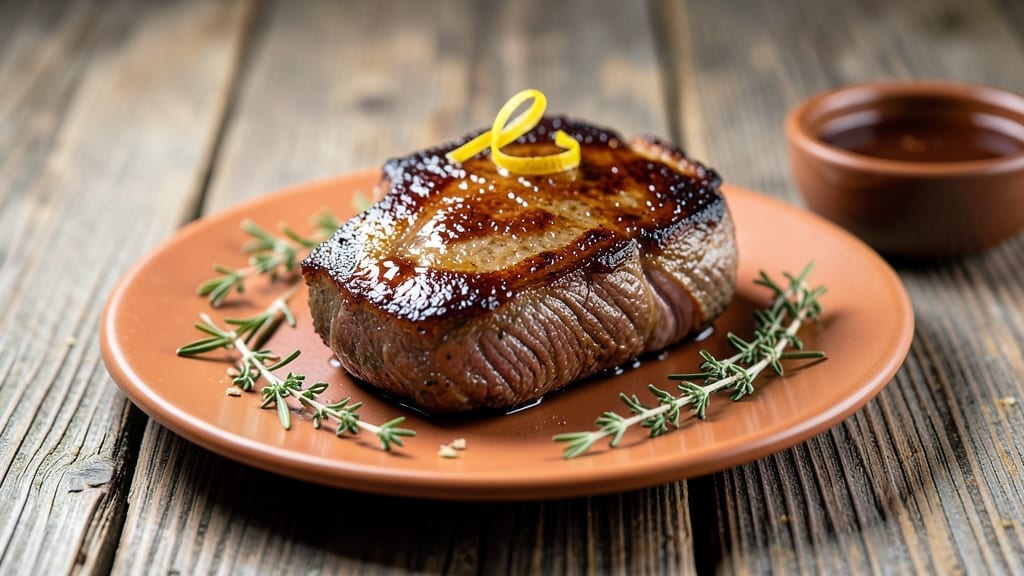
Mastering beef ribs on a pellet smoker transforms tough cuts into melt-in-your-mouth perfection with surprisingly little effort. The secret lies in low-and-slow cooking with precise temperature control, where hickory or cherry pellets infuse deep, smoky flavor without overpowering the meat’s natural richness.
I’ve perfected this method over countless weekends, ensuring ribs that practically fall apart at the touch of a fork while maintaining a beautiful bark.
The process begins with proper prep—trimming excess fat, applying a dry rub of salt, pepper, and smoked paprika, and letting the ribs rest overnight for maximum tenderness. Your pellet smoker becomes the star here, maintaining a steady 225°F temperature for hours while the wood pellets create an even, smoky environment.
The key is patience; these ribs need time to break down, typically 8-12 hours, depending on the cut and your smoker’s efficiency.
By the time you pull them off the smoker, you’ll have ribs that are fall-apart tender with a glossy, caramelized crust—no need for a meat thermometer to guess. The internal temperature should reach 195-203°F, where collagen dissolves into juicy, flavorful gelatin.
Wrap them in butcher paper to retain moisture during the final rest, then slice against the grain for the most satisfying bite. Serve with classic sides like tangy baked beans or crisp coleslaw to complete the meal.
This method works equally well for baby back ribs or full slabs, making it versatile for any gathering. The beauty of pellet smokers is their consistency—no more guessing about fuel or temperature swings.
Once you try this approach, you’ll never go back to traditional grilling for ribs again. Let’s get started on creating restaurant-quality results at home.
Ingredients for beef ribs pellet smoker
A perfect pellet smoker ribs recipe starts with quality cuts and simple seasoning.
| Ingredient | Amount | Notes |
|---|---|---|
| Beef St. Louis Ribs (half slab) 🥩 | 4 lb | Bone-in, trimmed of excess fat |
| Hickory Wood Pellets 🌳 | 2 lb | For consistent smoky flavor |
| Smoked Paprika 🌶️ | 2 tbsp | For dry rub seasoning |
| Kosher Salt 🧂 | 1 ½ tbsp | Fine grain preferred |
| Black Pepper (coarsely ground) 🌶️ | 1 tbsp | Freshly ground for best flavor |
| Garlic Powder 🧄 | 1 tbsp | For aromatic depth |
| Brown Sugar (light or dark) 🍯 | 1 tbsp | For caramelized crust |
| Apple Cider Vinegar 🍎 | 2 tbsp | For tenderizing |
| Butcher Paper (or foil) 📄 | 1 sheet | For moisture retention |
| Baked Beans (tangy variety) 🍲 | 4 cups | For serving |
| Coleslaw Mix (pre-made) 🥬 | 4 cups | For serving |
| Butter (unsalted) 🧈 | ¼ cup | For basting |
| Meat Thermometer 🔥 | 1 piece | For accurate temp reading |
[recipe_ingredient_scaler]
The beef ribs cut matters most here. St. Louis ribs give you the perfect balance of meat and bone for that melt-in-your-mouth texture. Look for bone-in cuts with visible marbling—this is where the flavor lives. I always buy from local butcher shops or high-end grocery stores like Whole Foods for the best quality. If you’re using baby back ribs, trim the membrane carefully—it’s a game-changer for even cooking. The ribs should be bright red with no grayish tint, which means they’re fresh and ready for the smoker.
No hickory pellets? Cherry or pecan pellets work beautifully—they add a sweeter, fruitier smoke. Short on time for the overnight rest? Soak the ribs in apple cider vinegar for 4-6 hours instead. Your dry rub can be adjusted too—add cayenne for heat or extra brown sugar for more caramelization. For the baked beans, I like to use Heinz or Bush’s—they’re tangy enough to stand up to the ribs. Coleslaw? Pre-made is fine—just add a squeeze of lemon before serving to brighten it up. The butter for basting should be unsalted—you want control over the seasoning.
These ribs are best served immediately after resting, but they reheat beautifully. Wrap in butcher paper and store in the fridge for up to 4 days. For longer storage, freeze in portions—they keep for 3 months. The meat thermometer is non-negotiable—195-203°F internal temp is your target for perfect tenderness. If you’re feeding a crowd, double the dry rub and pellets—smoke capacity matters. And trust me, the extra effort is worth it when you see everyone dive in for seconds.
Why You’ll Love This Recipe
- Pellet Smoker Magic: I’ll admit, I was skeptical about pellet smokers until I tried this recipe. The ribs practically cook themselves—just toss them on at 225°F, let the hickory pellets do their thing, and forget about them for hours. No babysitting, no constant basting, just set-it-and-forget-it perfection.
- Crispy Outside, Juicy Inside: That butcher paper wrap is genius—it locks in moisture while still letting the bark crisp up. The smoked paprika and brown sugar caramelize into a sticky, savory crust, but the meat stays so tender it falls apart like butter. Honestly, the vinegar brush? Game-changer. It keeps the ribs from drying out and adds a subtle tang that balances the smokiness.
- Leftovers That Last: This recipe makes enough ribs to feed a small army, but don’t stress. They reheat beautifully—just wrap ‘em in butcher paper and pop ‘em back in the smoker for 10 minutes at 225°F. Or freeze half for a lazy weeknight dinner. My kids even ask for seconds, and that’s saying something.
- Budget-Friendly Feast: Beef St. Louis ribs are pricey, but this recipe stretches them into a full meal with sides that cost next to nothing. The baked beans and coleslaw mix bulk up the plate without breaking the bank. Plus, using hickory pellets efficiently means you won’t waste money on extra wood. It’s the kind of dish that feels luxurious but won’t drain your wallet.
Step-by-step instructions for beef ribs pellet smoker recipe
Here’s the foolproof method for ribs that practically melt in your mouth while keeping your effort minimal.
Prepare and Season the Ribs for Maximum Flavor
Remove the 4 lb beef St. Louis ribs from the refrigerator and let them sit at room temperature for 30 minutes. This ensures even cooking and better bark formation. Pat the ribs dry with paper towels—this step is crucial for crispy bark and proper smoke adhesion.
In a small bowl, combine 2 tbsp smoked paprika, 1½ tbsp kosher salt, 1 tbsp black pepper, 1 tbsp garlic powder, and 1 tbsp brown sugar. Rub this mixture generously over all surfaces of the ribs, pressing it into the meat so it adheres well. The apple cider vinegar comes next—brush the entire surface with 2 tbsp apple cider vinegar. This helps tenderize the meat and adds a subtle tang that complements the smoky flavor.
Smoke the Ribs Low and Slow for Perfect Tenderness
Set up your pellet smoker and load it with 2 lb hickory wood pellets. Preheat the smoker to 225°F—this low temperature is key for tender, fall-apart ribs. Place the seasoned ribs bone-side down on the smoker grate, meat-side up. Close the lid and resist the urge to peek, as each time you open it, you lose heat and moisture.
Use the meat thermometer to monitor the internal temperature. Smoke the ribs for 5-6 hours, or until the internal temperature reaches 165°F. This is where the magic happens—the slow cooking breaks down the connective tissue, transforming tough meat into something incredibly tender. You’ll notice a thin layer of bark forming on the surface, which is a good sign you’re on track.
Wrap and Finish for Ultimate Juiciness
Once the ribs reach 165°F, they’ll hit “the stall,” where the temperature stops rising. This is normal and expected. At this point, wrap the ribs tightly in 1 sheet butcher paper (or foil), leaving room for expansion. The butcher paper allows the ribs to breathe while retaining moisture, creating a beautiful bark without drying out the meat.
Return the wrapped ribs to the smoker and continue cooking until the internal temperature reaches 203°F, which should take another 2-3 hours. The meat thermometer is your best friend here—it ensures you don’t overcook the ribs. When the ribs are done, they should be fork-tender and pull apart easily with minimal resistance.
Rest and Serve with Classic Sides
Remove the ribs from the smoker and let them rest on a cutting board for 15-20 minutes. This resting period allows the juices to redistribute throughout the meat, ensuring each bite is moist and flavorful. While the ribs rest, heat the 4 cups baked beans in a saucepan over medium heat until warmed through. In a separate bowl, toss the 4 cups coleslaw mix with ¼ cup melted butter for a creamy, tangy side.
Slice the ribs between the bones and serve them with the warm baked beans and creamy coleslaw. The combination of tender, smoky ribs with classic sides creates a meal that’s both comforting and impressive. Enjoy the fruits of your labor—you’ve earned it!
Pro Tips For Making Beef Ribs Pellet Smoker
- Trim the Fat: I learned this the hard way—leaving excess fat on the 4 lb Beef St. Louis Ribs makes them greasier than smoky. Use a sharp knife to trim just the loose fat, not the thin membrane over the meat. That membrane? Leave it—it’s what holds moisture during the 5-6 hour smoke.
- Preheat the Pellets: Don’t just toss in 2 lb Hickory Wood Pellets and hope for the best. Fire up the smoker first, then load them once it’s at 225°F. Cold pellets = uneven smoke, and you’ll waste time waiting for the temp to stabilize. Trust me, your ribs will thank you when that consistent smoke hits at the right moment.
- Press the Rub Hard: The dry rub—2 tbsp smoked paprika, 1.5 tbsp kosher salt, etc.—won’t stick if you’re gentle. Use your fingers to dig the spices into the crevices, especially between the bones. I used to slap it on and wonder why the flavor was weak. Now? Every bite packs that smoky, spicy punch.
- Wrap Tight, No Slack: When you hit 165°F and wrap those ribs in butcher paper, make it snug. Loose paper lets steam escape, and suddenly your ribs are dry instead of tender. Crimp the edges like you’re sealing a gift—no gaps, no excuses. The 203°F finish will be worth it.
Dietary considerations for this beef ribs pellet smoker
Gluten-Free Adaptation
If you’re avoiding gluten, skip the traditional baked beans and opt for Heinz Beanless Baked Beans or Bush’s Gluten-Free Baked Beans. These versions use cornstarch instead of wheat flour, maintaining the tangy flavor without the gluten.
For the coleslaw, use a gluten-free mayo like Hellmann’s Gluten-Free or Primal Kitchen Avocado Oil Mayo to keep it safe for your dietary needs.
Lower-Sodium Options
Reduce sodium in your dish by cutting the kosher salt in the dry rub to 1 tbsp instead of 1½ tbsp. You can also use low-sodium baked beans and add a splash of apple cider vinegar for tanginess instead of relying on extra salt.
This keeps the flavor vibrant without the excess sodium.
Keto-Friendly Adjustments
For a keto-friendly version, swap the brown sugar in the dry rub for erythritol or monk fruit sweetener (about 1 tbsp equivalent). Skip the baked beans entirely and serve with sugar-free coleslaw made with mayonnaise and vinegar instead of sugar-laden dressing.
This keeps carbs minimal while maintaining the smoky, savory profile.
Vegetarian Substitute
While ribs are inherently meat-based, you can create a vegetarian version using smoked tofu or tempeh ribs (available at Whole Foods or specialty stores). Marinate them in the same apple cider vinegar and dry rub mixture, then smoke at 225°F for 4-5 hours until tender.
Serve with the same sides—just ensure your baked beans are vegetarian-friendly.
Allergy-Friendly Tips
If someone has a nut allergy, avoid hickory pellets if they contain trace nuts—opt for cherry or pecan-free pellets instead. For dairy allergies, use butter alternatives like Earth Balance for basting the coleslaw. Always double-check labels on pre-made coleslaw and baked beans for hidden allergens. 💪
Nutrition facts
Frequently asked questions
Why does my pellet smoker recipe call for such a long cook time?
The low-and-slow method at 225°F is essential for breaking down tough connective tissue in beef ribs. This process takes 8-12 hours total, but it’s what creates that melt-in-your-mouth tenderness. The slow heat transforms collagen into gelatin, ensuring every bite is juicy and flavorful. Patience is key—rushing it can leave your ribs tough instead!
Can I use foil instead of butcher paper when wrapping the ribs?
Butcher paper is ideal because it allows ribs to breathe while retaining moisture, creating a perfect bark. However, foil works in a pinch—just wrap tightly and leave room for expansion. The downside? You might lose some crispiness in the crust. For best results, stick with butcher paper if possible!
What if my meat thermometer reads higher than 203°F?
Don’t panic—203°F is the sweet spot, but ribs can safely go up to 205°F without drying out. Overcooking beyond this point risks drying, so pull them off when they reach 203°F and let them rest. The resting time redistributes juices, so they’ll still taste perfect!
How do I handle leftover ribs from this recipe?
Store wrapped ribs in the fridge for up to 4 days or freeze in portions for 3 months. To reheat, wrap them in foil and warm in a 275°F oven for 20-30 minutes. For extra moisture, add a splash of apple cider vinegar or broth while reheating. They’ll taste almost as good as fresh!
What’s the best way to caramelize the bark on my ribs?
Bark forms best when ribs are bone-side down during smoking and patted completely dry before seasoning. After wrapping, briefly uncover them for the last 30 minutes to let excess steam escape. A light basting with melted ¼ cup butter during the final hour also enhances that glossy crust!

Trained in classic French technique but raised on slow-cooked ribs and spicy rubs, she blends culinary skill with smoke and soul.
- Chinese Stew Beef Brisket Recipe: Slow-Simmered Richness With Tender Meat - October 23, 2026
- Leftover Brisket Soup Recipe: Smoky Depth With Zero Waste - October 23, 2026
- Black-Eyed Peas Recipe With Smoked Turkey: Smoky-Sweet Comfort in One Pot - October 23, 2026