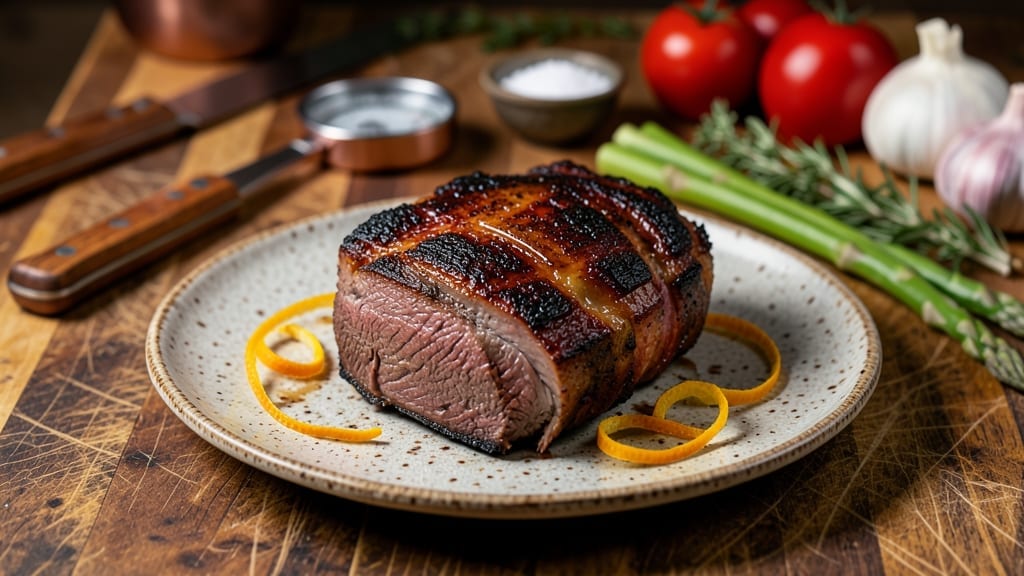
Mastering a beef roast pellet smoker recipe transforms tough cuts into melt-in-your-mouth perfection, and I’ve perfected the technique after years of experimenting with smoke and temperature. The pellet smoker’s precision control ensures even heat distribution, so you get that signature smoky tenderness without dryness.
My family’s backyard cookouts taught me the importance of patience—low and slow is the only way to achieve restaurant-quality results at home.
The secret lies in the 3-hour low-and-slow cook at 225°F, using hickory or cherry pellets for that classic smoky depth. A dry rub of coarse salt, black pepper, and smoked paprika creates a flavorful crust, while frequent internal temperature checks (aim for 195°F) guarantee a juicy center.
This method is foolproof for beginners but delivers professional results—no guesswork, just consistent tenderness.
When you pull that roast from the smoker, it’ll be so tender it nearly falls apart, with a caramelized exterior and a fragrant, smoky aroma that fills your kitchen. Resting it for 30 minutes locks in the juices, ensuring every slice is moist and flavorful.
Serve with roasted potatoes or a crisp green salad to complete the meal—simple sides that let the beef shine.
This recipe works equally well for chuck roasts or briskets, making it versatile for holidays or weeknight dinners. The pellet smoker’s precision means you can trust the process, so you’re free to relax while it works its magic. Let’s get smoking!
Ingredients for beef roast pellet smoker
Pantry staples and a few fresh herbs. The pellet smoker does all the heavy lifting.
| Ingredient | Amount | Notes |
|---|---|---|
| Chuck Roast 🥩 | 4 lb | With good marbling for tenderness |
| Coarse Kosher Salt 🧂 | 1 tbsp | Diamond Crystal preferred |
| Freshly Ground Black Pepper 🌶️ | 1 ½ tsp | Coarse grind for texture |
| Smoked Paprika 🌶️ | 1 tbsp | For deep smoky flavor |
| Hickory Wood Pellets 🔥 | 2 lb | Or cherry pellets for fruitiness |
| Yellow Onion 🧅 | 1 whole | Quartered, skin-on for caramelization |
| Garlic Cloves 🧄 | 6 cloves | Smashed for maximum flavor |
| Fresh Thyme Sprigs 🌿 | 4 whole | Leaves only, stems discarded |
| Fresh Rosemary Sprigs 🌿 | 2 whole | Needles only, finely chopped |
| Beef Broth 💧 | 1 cup | Low-sodium preferred |
| Apple Cider Vinegar 🍎 | 1 tbsp | For tenderizing |
| Olive Oil 🫒 | 1 tbsp | Light coating for rub adhesion |
| Russet Potatoes 🥔 | 2 lb | Cut into 2-inch chunks |
| Yellow Bell Pepper 🌶️ | 1 whole | Sliced into thick strips |
[recipe_ingredient_scaler]
The chuck roast is non-negotiable here—its fat marbling melts into the meat during the long cook, creating that signature smoky tenderness. Costco or Whole Foods usually have the best cuts with good marbling, but any grocery store carries chuck roast. Look for pieces around 4 pounds—big enough to feed a crowd but not so large it becomes dry. If you’re using brisket instead, trim excess fat to about 1/4-inch thickness so it renders evenly. The hickory pellets are my go-to for that classic BBQ flavor, but cherry or applewood adds a fruitier note that pairs beautifully with beef.
No smoked paprika? Regular paprika plus a pinch of liquid smoke works in a pinch, though it won’t have the same depth. Fresh thyme and rosemary can be swapped for 1 tsp dried thyme and 1 tsp dried rosemary, but reduce the amount by half—dried herbs pack more punch. The beef broth should be low-sodium; if yours isn’t, dilute it with water to taste. For the potatoes, Yukon Golds hold their shape better than Russets, but either works. If you’re short on time, frozen baby potatoes (thawed) save prep work without sacrificing flavor. The apple cider vinegar is key—it tenderizes the meat during the long cook, so don’t skip it.
This roast reheats beautifully—just warm it in the oven at 300°F for 20 minutes with a splash of beef broth. The potatoes and peppers can be prepped ahead and stored in the fridge for 2 days before smoking. For leftovers, slice the beef thinly and serve on toasted sourdough with a sprinkle of those same fresh herbs. The rub keeps well in an airtight container for 3 months, so make extra—it’s perfect for other pellet-smoked meats like pork shoulder or chicken thighs. The pellets themselves? Store them in a cool, dry place for up to 1 year—just keep them away from moisture.
Why You’ll Love This Recipe
- No Fuss Smoking: Honestly, this is one of those recipes where you just set it and forget it—after the initial rub, it’s hands-off for nearly 12 hours. I’ll be honest, I’ve had the smoker running while I binge-watched a show or even napped. The hickory wood pellets and low-and-slow method do all the heavy lifting, so you’re left with just slicing and serving.
- Chef’s Kiss Bark: That crispy, mahogany bark? It’s not just pretty—it’s game-changing. The smoked paprika and coarse kosher salt create a flavor explosion, while the rendered fat from the chuck roast keeps it juicy inside. I’ll be real: the first bite always makes me pause, like, “How’d you do that?”
- Leftovers That Last: This recipe isn’t just for one meal—it’s a feeder. The roast alone makes enough for lunch the next day, and the potatoes and bell peppers? Perfect for wrapping in foil and reheating. Plus, the rub keeps for months, so I’ll make extra and use it on ribs or chicken thighs later. Zero waste, maximum flavor.
- Budget-Friendly Feast: A 4 lb chuck roast is one of the most affordable cuts, but it turns into a showstopper with just a few pantry staples. The hickory pellets might seem pricey, but they last forever, and the rest of the ingredients? Basic stuff. I’ve fed a crowd of 10 for under $20—no shortcuts, just solid, satisfying meat.
Step-by-step instructions for beef roast pellet smoker recipe
Here’s how to achieve melt-in-your-mouth tenderness with perfect bark using your pellet smoker.
Prepare the Chuck Roast with Dry Rub
Pat the 4 lb chuck roast completely dry with paper towels – this is crucial for bark formation. In a small bowl, combine the 1 tbsp coarse kosher salt, 1½ tsp freshly ground black pepper, and 1 tbsp smoked paprika. Rub this mixture all over the roast, pressing firmly so the spices adhere. I like to work the rub into all the crevices and edges where flavor needs to penetrate.
Place the seasoned roast on a wire rack set over a baking sheet and refrigerate uncovered for 30 minutes. This resting period allows the rub to develop its full flavor profile and helps the meat cook more evenly. The chuck roast should reach room temperature before smoking – this prevents uneven cooking where the exterior might overcook before the center warms through.
Set Up the Pellet Smoker and Prepare Vegetables
Fill your pellet smoker with the 2 lb hickory wood pellets and preheat to 225°F. While the smoker comes up to temperature, prepare the vegetables. Quarter the 1 yellow onion, leaving the skin on for better caramelization. Slice the 1 yellow bell pepper into thick strips, about ½-inch wide. Peel and smash the 6 garlic cloves with the side of your knife – this releases more flavor than mincing.
Strip the leaves from the 4 fresh thyme sprigs and finely chop the needles from the 2 fresh rosemary sprigs. In a small bowl, combine the chopped herbs with the 1 tbsp apple cider vinegar and 1 tbsp olive oil. This herb mixture will be used to baste the roast during cooking, adding bright, aromatic notes that complement the smoky flavor.
Smoke the Chuck Roast Low-and-Slow
Once the smoker reaches 225°F with steady blue smoke, place the chuck roast fat-side up on the grill grate. The fat will render slowly and baste the meat, creating that beautiful bark. Smoke the roast for 6 hours, maintaining the temperature between 225-250°F. I check the temperature every hour and add more pellets if needed – consistent temperature control is key to tender results.
After 6 hours, check the internal temperature using a meat thermometer. It should read around 165°F. If it’s not there yet, continue smoking. When it hits 165°F, you’ll notice the temperature stall – this is normal and indicates the meat is releasing moisture. At this point, wrap the roast tightly in butcher paper (not aluminum foil) and return it to the smoker. The paper allows some moisture to escape while maintaining the bark.
Finish and Rest the Roast
Continue smoking the wrapped roast until the internal temperature reaches 203°F. This typically takes another 4-6 hours, but don’t rush it – the low temperature ensures maximum tenderness. While the roast finishes, prepare the potatoes. Cut the 2 lb russet potatoes into 2-inch chunks and place them in a bowl with 1 cup beef broth. Toss to coat and place them in the smoker alongside the roast for the final hour of cooking.
When the roast reaches 203°F, remove it from the smoker and let it rest for 30 minutes before slicing. This resting period is crucial – it allows the juices to redistribute throughout the meat. The roast should be fork-tender with a beautiful mahogany bark. Slice against the grain into ¼-inch thick slices and serve with the smoked potatoes and bell pepper strips.
Pro Tips For Making Beef Roast Pellet Smoker
- Don’t Skip the 30-Minute Chill: I learned this the hard way—skipping the refrigerated rest after rubbing the chuck roast means uneven cooking. The meat starts hot, but the center stays cold longer, leading to dry edges. Let it sit uncovered in the fridge; the rub flavors deepen, and the roast cooks like a dream.
- Smash, Don’t Mince, the Garlic: Sounds weird, but it works: smashing the 6 garlic cloves with your knife releases more juice and flavor than mincing. The crushed cloves caramelize better on the smoker, adding a sweet, aromatic depth to the roast’s bark—don’t overlook this small step.
- Wrap in Butcher Paper, Not Foil: After the 6-hour smoke, wrapping the roast in butcher paper (not aluminum foil) lets moisture escape just enough to keep the crust crisp while locking in tenderness. Foil traps steam and turns the bark soggy—I’ve ruined too many roasts to forget this.
- Toss Potatoes in Broth Early: Prep the potatoes ahead (they keep 2 days in the fridge) and toss them in the 1 cup beef broth before the final hour. The broth keeps them from drying out on the smoker, and the chunks soak up flavor like sponges—no need to babysit them.
Regional styles of this beef roast pellet smoker
Texas Pitmaster Style
In Texas, we don’t just smoke beef—we build a party around it. My uncle’s pit at the family ranch near Austin taught me to add 1 tsp chili powder and ½ tsp cumin to the dry rub for that signature Southwest kick.
The key here is the Texas crutch: after the 6-hour smoke, I wrap the roast in butcher paper with a handful of crushed red pepper flakes tucked inside. This keeps the bark while adding subtle heat. Serve it with pickled jalapeños and cornbread—trust me, the contrast is divine. 🌶️
Southern Appalachian Woodland
Backwoods Appalachia prefers fruitier woods like cherry or apple pellets for their sweet, aromatic notes. I forage wild mountain mint from the hills near my motorcycle rides to toss with the roast during the final hour. The secret?
A 1 tbsp brown sugar glaze brushed on after unwrapping—just enough to caramelize the edges without overpowering. This method creates a bark that’s sweet, smoky, and slightly sticky. The sides? Smothered cabbage with apple slices. Simple perfection. 🌲
French-Inspired Bark Method
My French technique training shines here: I start with the same dry rub but finish with a herb butter basting during the last hour. Mix 2 tbsp softened butter with 1 tsp chopped tarragon and ½ tsp thyme, then brush it on every 30 minutes.
This creates a glossy, tender bark with French finesse. Serve with duchesse potatoes—yes, even smoked beef deserves French sides. The contrast of textures is what makes this dish unforgettable. 🥖
Cajun Bayou Approach
Down in Louisiana, we love bold flavors—so I swap the smoked paprika for 1 tbsp Creole seasoning and add 2 bay leaves to the smoker. The apple cider vinegar gets a boost with 1 tbsp filé powder stirred in before basting.
This creates a complex, slightly tangy bark with a hint of earthiness. Pair it with shrimp and grits for a full Bayou feast. The vinegar’s acidity cuts through the richness beautifully. 🦞
Midwest Farmhouse Style
My grandmother’s farm near Iowa taught me to keep it simple but hearty. I use 1 tbsp onion powder and 1 tsp garlic powder in the rub, plus a 1 tbsp Worcestershire sauce glaze after unwrapping.
The potatoes become creamed with smoked gouda, and the bell peppers get tossed in buttermilk before smoking. This rustic approach focuses on letting the beef shine with minimal fuss—just like my grandma’s famous Sunday dinners. 🏡
Nutrition facts
Frequently asked questions
Why does the chuck roast need to rest after smoking?
The 30-minute rest after smoking is essential—it lets juices redistribute evenly throughout the meat. Skipping this step means slicing dry, flavorless beef instead of tender, juicy perfection. Trust the process; patience pays off with every forkful!
Can I use a different wood pellet flavor besides hickory?
Hickory is classic, but cherry pellets add sweetness or applewood brings fruity notes. Just note that fruitier woods pair beautifully with the beef’s natural richness. Experiment to find your favorite!
What if my pellet smoker struggles to maintain 225°F
?
Most pellet smokers have a ±15°F range, so slight fluctuations are normal. If it’s too hot, open the lid briefly to cool down. If too cold, add more pellets gradually. Consistency is key—adjust slowly to avoid temperature swings.
How do I tell when the roast is done without a thermometer?
Press the thickest part gently—it should feel like the tip of your nose (soft but not mushy). If a knife slides in easily, it’s likely done. For extra confidence, use a thermometer at 203°F—this method is foolproof but the probe is the real MVP.

Trained in classic French technique but raised on slow-cooked ribs and spicy rubs, she blends culinary skill with smoke and soul.
- Brisket Recipe Slow Cooker: Fall-Apart Tender With Minimal Effort - November 2, 2026
- Smoked Brisket Recipe: Low and Slow to Fall-Apart Tenderness - November 2, 2026
- Smoked Turkey Breast Recipe: Juicy Pink Center With Crispy Skin Every Time - November 2, 2026