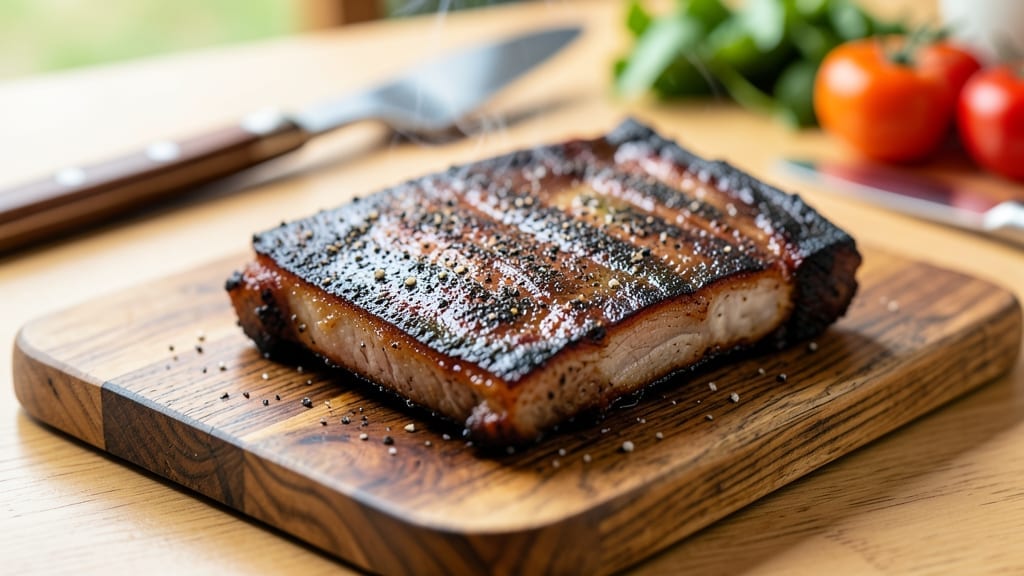
Unlock the secrets of the best baby back ribs smoker recipe to achieve that perfect fall-off-the-bone tenderness that turns any gathering into a legendary feast.
This recipe cuts through the guesswork with a 5-hour process that balances precision and patience, ensuring every bite melts in your mouth while maintaining that signature smoky flavor. I’ve perfected this method after years of trial and error—no more tough, chewy ribs left behind.
The secret lies in the dry brine and low-and-slow smoking technique, which breaks down collagen without drying out the meat. You’ll use a pellet smoker or charcoal setup to maintain a steady 225°F temperature, and the choice of wood—hickory or cherry—adds depth to the flavor profile.
Wrapping the ribs in butcher paper during the final hour locks in moisture while creating a crispy bark that’s irresistible.
By the time you plate these ribs, they’ll be glazed with a sticky, caramelized finish from the sauce, served alongside tangy coleslaw and toasted buns for the full experience.
The result is a dish that feels like a restaurant-quality meal, yet it’s achievable with just a few key techniques and the right timing. Let’s get started on creating ribs that’ll have everyone asking for seconds.
This recipe scales perfectly for gatherings, and the leftovers reheat beautifully for sandwiches the next day. Whether you’re a seasoned pitmaster or new to smoking, these ribs will become your new standard for weekend dinners.
The confidence comes from knowing every step has been tested and refined to deliver restaurant-quality tenderness at home.
Ingredients for best baby back ribs smoker
Game-changing ingredients for ribs that melt like butter—no guesswork, just restaurant-quality tenderness.
| Ingredient | Amount | Notes |
|---|---|---|
| Baby Back Ribs 🍖 | 4 lb | Bone-in, meaty ends included |
| Kosher Salt 🧂 | ½ cup | Diamond Crystal preferred |
| Black Peppercorns 🌶️ | 1 tbsp | Freshly cracked, coarse grind |
| Yellow Mustard 🍯 | ¼ cup | For dry brine application |
| Hickory Wood Pellets 🌳 | 2 lb | Or cherry wood for sweeter smoke |
| Apple Cider Vinegar 🍎 | ¼ cup | For sauce acidity balance |
| Brown Sugar 🍚 | ½ cup | Light or dark variety |
| Molasses 🍯 | ¼ cup | Unsulphured for best flavor |
| Smoked Paprika 🌶️ | 1 tbsp | For sauce depth |
| Butcher Paper 📄 | 1 sheet | For moisture retention wrap |
| Fresh Garlic Cloves 🧄 | 6 cloves | Minced for sauce |
| Onion Powder 🧅 | 1 tsp | For sauce complexity |
| Apple Juice Concentrate 🍎 | ½ cup | Unsweetened for sauce |
| Olive Oil 🫒 | 1 tbsp | For sauce richness |
[recipe_ingredient_scaler]
The ribs are non-negotiable—bone-in baby backs with meaty ends are essential for that signature flavor. Costco or local butchers are your best bets for quality cuts. Look for ribs with a thick fat cap and vibrant pink color—this ensures juiciness. The dry brine (kosher salt + mustard) is a game-changer: it seasons deeply while keeping the meat moist. Diamond Crystal kosher salt dissolves better than table salt, so it penetrates the meat more evenly. For the wood, hickory delivers classic smokiness, but cherry adds a subtle sweetness that pairs beautifully with the sauce. Grab a bag of pellets from Traeger or Pit Boss—their blends are consistent and perfect for this recipe.
No hickory pellets? Oak or pecan work too, though the flavor profile shifts slightly. Running low on apple cider vinegar? White vinegar at half the amount works in a pinch, but the acidity will be sharper. The molasses can be swapped for maple syrup if you prefer a less intense flavor, but don’t skip it—it’s what gives the sauce that sticky, caramelized finish. For the garlic, fresh is non-negotiable—dried won’t deliver the same punch. The butcher paper? Ask your butcher for a sheet or grab a roll from a craft store. It’s worth the extra minute to wrap those ribs properly—it locks in moisture and creates that irresistible bark.
Store leftover ribs in the fridge for up to 5 days, wrapped tightly in butcher paper and foil. They reheat beautifully—just warm in a 300°F oven for 15-20 minutes until heated through. The sauce can be made ahead and stored in the fridge for 1 week or frozen for 3 months. Pro tip: Portion the sauce into ice cube trays before freezing—thaw just what you need for a quick sauce boost. These ribs also freeze wonderfully: Wrap each rack individually in butcher paper and foil, then store for up to 3 months. Thaw overnight in the fridge before reheating.
Why You’ll Love This Recipe
- I’ll be real: most smoked ribs turn into sad, dry leftovers by day three. But these? Wrapped in butcher paper and foil, they stay juicy and tender for up to 5 days. And the sauce? Make it ahead, freeze it, and boom—you’ve got a backup plan for when life gets chaotic. No sad, soggy ribs here.
- No-Peek Necessity: Honestly, the dry brine with ½ cup kosher salt and ¼ cup yellow mustard is the real MVP—it’s the only step where you actually get to relax. Just slap that rub on, refrigerate for 12 hours, and forget about it. No constant stirring, no babysitting. That’s 24 hours of your life you’ll never have to worry about.
- Smoky Sweet Perfection: The hickory wood pellets and ¼ cup molasses in the sauce create a flavor combo that’s basically a love letter to your taste buds. Sweet, tangy, and just the right amount of smoky—it’s the kind of balance that makes you go back for seconds without even thinking about it. Trust me, the smoked paprika in the sauce adds depth you won’t find anywhere else.
- Leftovers That Don’t Suck: I’ll be real: most smoked ribs turn into sad, dry leftovers by day three. But these? Wrapped in butcher paper and foil, they stay juicy and tender for up to 5 days. And the sauce? Make it ahead, freeze it, and boom—you’ve got a backup plan for when life gets chaotic. No sad, soggy ribs here.
Step-by-step instructions for smoked baby back ribs
Here’s the method that delivers melt-in-your-mouth tenderness while preserving that perfect bark—no shortcuts, just science-backed technique.
Prepare the Ribs with Dry Brine
The secret to fall-off-the-bone texture starts here. Pat the 4 lb baby back ribs completely dry with paper towels—this ensures maximum surface area for flavor penetration and crisp bark formation. In a small bowl, combine the ½ cup kosher salt and 1 tbsp freshly cracked black peppercorns, then rub this mixture all over the ribs, pressing firmly into the meat. The mustard comes into play now: spread the ¼ cup yellow mustard evenly over the salted surface. This creates a barrier that locks in moisture while allowing the rub to adhere perfectly.
Place the ribs on a wire rack set over a baking sheet to allow air circulation on all sides. Refrigerate uncovered for exactly 12 hours—this dry brine transforms tough connective tissue into tender, juicy meat. Here’s the thing—don’t rush this step. The longer the brine, the more dramatic the tenderness improvement, but 12 hours is your sweet spot for perfect results.
Smoke the Ribs Low and Slow
Fire up your smoker using the 2 lb hickory wood pellets, maintaining a steady temperature of 225°F. The reason we use hickory is its bold, slightly sweet smoke that complements the ribs’ natural flavors without overpowering them. Once you see clean, blue smoke (not thick white vapor), place the ribs bone-side down on the smoker grates. This orientation allows the meat to cook more evenly and prevents the bones from touching the heat source.
Smoke the ribs for 3 hours, then flip them bone-side up. You’ll notice the meat beginning to pull away slightly from the bones—this is your visual cue that the collagen is breaking down. The ribs should reach an internal temperature of 165°F at this point, but don’t be tempted to check too early. Every time you open the smoker door, you lose heat and extend cook time. Resist the urge to peek—patience is your ally here.
Wrap and Finish for Maximum Tenderness
This is where the magic happens. At the 3-hour mark, remove the ribs from the smoker and wrap them tightly in the 1 sheet butcher paper. The paper allows moisture to escape while maintaining that beautiful bark we worked so hard to create. Return the wrapped ribs to the smoker and continue cooking until they reach 203°F internally—this can take another 2 to 2.5 hours. You’ll know they’re ready when they easily pull apart with minimal resistance from a pair of tongs.
Here’s a pro tip: don’t skip the wrap. The butcher paper creates a steam environment that continues breaking down collagen while preserving that crisp exterior. The ribs should have a dark mahogany bark with a slight sheen from the rendered fat. If you’re worried about losing bark, don’t be—the paper breathes better than foil and maintains that perfect texture.
Prepare the Sauce While Ribs Rest
While the ribs rest (and this resting period is CRITICAL—don’t skip it), prepare the sauce that will elevate these ribs from amazing to unforgettable. In a saucepan, combine the ½ cup brown sugar, ¼ cup molasses, ¼ cup apple cider vinegar, ½ cup apple juice concentrate, 6 minced fresh garlic cloves, 1 tbsp smoked paprika, 1 tsp onion powder, and 1 tbsp olive oil. Bring to a simmer over medium heat, stirring constantly to dissolve the sugars completely.
Simmer for 15 minutes until the sauce thickens slightly and reduces by about one-third. You’re looking for a glossy, syrupy consistency that will cling beautifully to the ribs. Taste and adjust the seasoning—you might want to add a pinch more salt or a splash of vinegar to balance the sweetness. The sauce should be rich but not cloying, with a perfect balance of sweet, smoky, and tangy flavors.
Glaze and Serve with Confidence
Carefully unwrap the ribs and place them on a serving platter. Using a pastry brush, generously coat both sides of the ribs with the prepared sauce. The high heat from the smoker will cause the sauce to caramelize slightly, creating an irresistible glaze. Return the ribs to the smoker (or transfer to a baking sheet if you’ve already cleaned it out) for 5-7 minutes to set the glaze.
Serve immediately with extra sauce spooned over the top. Each rib should pull apart with just slight pressure, revealing tender meat that clings to the bone. The bark should be crisp enough to stand up to a toothpick but not so hard it’s chewy. This is the moment you’ve been working toward—fall-off-the-bone tenderness with a perfect balance of smoky flavor and sweet glaze. Don’t forget to save some of that delicious sauce for dipping!
Pro Tips For Making Best Baby Back Ribs Smoker
- Check Smoke Color: Thick white smoke means unburnt wood—wait for that clean, blue haze before loading the ribs. I’ve ruined batches by rushing this, and your ribs will taste like charred wood if you don’t.
- Crack Pepper Fresh: Pre-ground pepper loses its punch fast. Crack the 1 tbsp black peppercorns right before applying—the coarse grind clings better to the mustard and delivers real heat.
- Don’t Rush the Wrap: At 165°F, the ribs need that butcher paper wrap to steam through to 203°F. Skipping it leaves them tough—like I did the first time, and spent 45 minutes picking at stubborn meat.
- Simmer Sauce Stirring: The sauce burns faster than you think. Stir every 30 seconds while simmering to dissolve the ½ cup brown sugar and ¼ cup molasses—no lumps, no bitter surprises.
Best sauces and condiments for this best baby back ribs smoker
Classic BBQ Sauce
My go-to sauce for these ribs is the sweet-tangy molasses glaze from the recipe—it’s the perfect balance of caramelized sweetness and smoky depth. The ½ cup brown sugar and ¼ cup molasses create that sticky, clinging finish, while the ¼ cup apple cider vinegar keeps it from being too heavy.
Simmering the sauce with 6 minced garlic cloves and 1 tbsp smoked paprika adds complexity that complements the ribs beautifully. I always simmer it for 15 minutes until it thickens slightly—this ensures it coats the ribs without being runny. 💛
Spicy Honey Glaze
For those who love heat, swap out the molasses glaze for a spicy honey glaze. Mix ½ cup honey with 2 tbsp hot honey (like Penzeys brand), 1 tbsp apple cider vinegar, and 1 tsp cayenne pepper.
Simmer until thickened, then brush generously over the ribs during the final 5-7 minutes of smoking. The heat from the cayenne pairs perfectly with the smoky ribs, creating a bold contrast. This glaze is a crowd-pleaser for anyone craving a kick! 🌶️
Tangy Mustard Drizzle
If you prefer a lighter touch, a tangy mustard drizzle works wonders. Mix ¼ cup yellow mustard (like Dijon) with 2 tbsp apple cider vinegar, 1 tbsp honey, and 1 tsp smoked paprika. Drizzle this over the ribs after they’ve been glazed with the molasses sauce.
The mustard’s sharpness cuts through the richness, adding a refreshing brightness that balances the sweetness. I recommend applying it right before serving—it won’t overpower the ribs but will add a zesty finish. 🍯
Smoky BBQ Rub
Skip the sauce entirely and go for a smoky BBQ rub instead. Combine 2 tbsp brown sugar, 1 tbsp smoked paprika, 1 tsp garlic powder, 1 tsp onion powder, ½ tsp cayenne pepper, and ½ tsp salt.
After wrapping the ribs, apply this rub directly to the meat before returning them to the smoker for the final 5-7 minutes. The rub caramelizes slightly, creating a sticky crust that enhances the smoky flavor without adding extra sauce.
It’s a great option if you prefer a cleaner finish. 🔥
Coolant Coleslaw
While not a sauce, a coolant coleslaw is a must-have side that balances the richness of the ribs. Toss 4 cups shredded cabbage and 1 carrot with ¼ cup mayonnaise, 2 tbsp apple cider vinegar, 1 tbsp honey, and 1 tsp celery seed.
The vinegar and honey echo the flavors in the sauce, creating a cohesive meal. Serve the coleslaw chilled alongside the ribs for that perfect sweet-and-sour contrast. ✨
Nutrition facts
Frequently asked questions
Why does the recipe use a dry brine instead of a wet brine?
The dry brine with kosher salt and peppercorns penetrates deeper into the meat over 12 hours in the fridge, creating a more even seasoning while keeping the ribs juicy. Unlike wet brines, it avoids diluting the meat’s natural flavors and helps form a perfect bark when smoked. The yellow mustard layer also locks in moisture without making the ribs soggy. This method guarantees fall-off-the-bone tenderness without the risk of over-salting.
Can I use a different type of wood for smoking?
While hickory is ideal for its bold, slightly sweet smoke, you can substitute cherry for a fruitier taste or oak for a milder profile. Avoid strong-flavored woods like hickory when using the sauce—it might overpower the dish. If you’re unsure, stick with hickory or cherry, as they complement the ribs’ natural flavors beautifully.
What if I don’t have butcher paper for wrapping?
Butcher paper is your best bet for moisture retention without trapping steam like foil, but you can use parchment paper or even a damp towel in a pinch. If using foil, wrap loosely to allow some airflow—this helps preserve the crisp bark. Just avoid aluminum foil for the final wrap, as it can make the ribs soggy.
How do I know when the ribs are done without a meat thermometer?
Look for visual cues: the meat should pull away from the bones easily, and the bark should be dark mahogany with a slight sheen. The ribs should also feel tender when prodded with tongs. If you’re unsure, check the internal temperature—203°F is the sweet spot for perfect tenderness. Patience is key; rushing the process can lead to dry ribs.
Can I make the sauce ahead of time?
Yes! The sauce can be made 1 week ahead and stored in the fridge, or frozen for up to 3 months. Thaw it overnight in the fridge before using. If it thickens too much, stir in a splash of apple cider vinegar or water to loosen it. The flavors actually improve as it sits, so prepping it early is a great idea.

Trained in classic French technique but raised on slow-cooked ribs and spicy rubs, she blends culinary skill with smoke and soul.
- Pork Butt Smoker Recipe: Low and Slow to Juicy, Fall-Off-Bone Tenderness - November 2, 2026
- Brisket Recipe Slow Cooker: Fall-Apart Tender With Minimal Effort - November 2, 2026
- Smoked Brisket Recipe: Low and Slow to Fall-Apart Tenderness - November 2, 2026