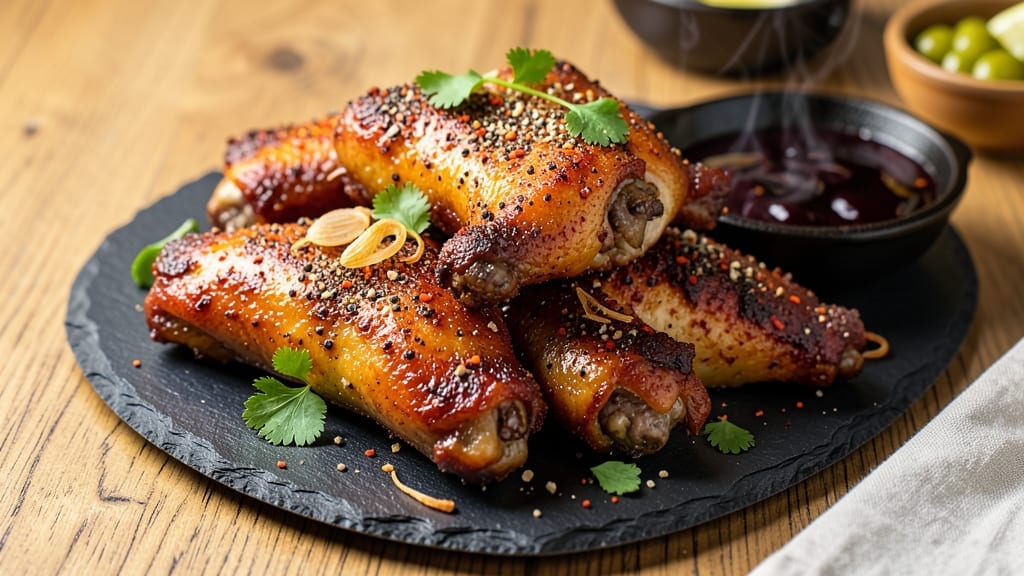
This best dry rub smoked wings recipe transforms ordinary wings into smoky, spice-crusted masterpieces without deep frying. The secret lies in balancing bold flavors—smoked paprika, cayenne, and brown sugar—that create a perfect crunch while keeping the meat juicy.
I developed this blend after years of perfecting rubs for backyard cookouts, where the aroma of hickory smoke and spices drew everyone to the grill.
The magic happens in the blend itself: 1 tablespoon smoked paprika, 1 tablespoon brown sugar, 1 teaspoon cayenne pepper, 1 teaspoon garlic powder, 1 teaspoon onion powder, and ½ teaspoon black pepper.
These proportions deliver a bold, balanced heat that sticks to the wings like armor. The rub works on chicken wings, drumettes, or even whole chickens—just coat them evenly before smoking.
What makes this rub special is its versatility and shelf life. Store it in an airtight container for up to 6 months, ready to elevate any smoked dish. The spices develop deeper flavor over time, making it a pantry staple for pitmasters and home cooks alike.
Whether you’re smoking wings for a game day crowd or a quiet weekend dinner, this rub guarantees restaurant-quality crunch and flavor every time.
Pair it with your favorite wood—hickory or applewood—and let the smoke work its magic. The result? Wings with a perfectly crisp exterior, tender meat, and a layered spice profile that keeps guests reaching for seconds. Here’s how to mix it up for maximum impact.
Ingredients for best dry rub smoked wings
This bold spice blend transforms ordinary wings into smoky, restaurant-quality masterpieces.
| Ingredient | Amount | Notes |
|---|---|---|
| Smoked Paprika 🌶️ | 2 tbsp | High-quality for deep smoky flavor |
| Brown Sugar 🍚 | 2 tbsp | Light or dark variety preferred |
| Cayenne Pepper 🔥 | 1 tbsp | Adjust for desired heat level |
| Garlic Powder 🧄 | 1 tbsp | Freshly ground preferred |
| Onion Powder 🧅 | 1 tbsp | Diamond Crystal preferred |
| Black Pepper 🌶️ | ½ tbsp | Freshly cracked for intensity |
| Kosher Salt 🧂 | 1 tsp | Diamond Crystal preferred |
| Ground Cumin 🌿 | ½ tbsp | Toasted for enhanced aroma |
| Mustard Powder 🍯 | ½ tsp | For subtle tangy depth |
| White Pepper 🌶️ | ¼ tsp | For subtle heat without color |
[recipe_ingredient_scaler]
The smoked paprika is the heart of this rub—Penzeys or McCormick Gourmet deliver the deepest, most complex flavor. I always grab mine from the bulk section at Whole Foods or Trader Joe’s since they keep it fresher longer. The brown sugar isn’t just for sweetness—it helps create that perfect caramelized crust. For cayenne, Mad Dog or Cholula brands give you consistent heat without the bitter aftertaste. Toast your cumin seeds in a dry pan for 30 seconds before grinding—game-changer for aroma. The mustard powder might seem minor, but it adds that subtle tang that keeps the rub from tasting one-note.
No smoked paprika? Substitute 1 tbsp regular paprika plus ½ tsp liquid smoke—it won’t be identical, but it’ll get you close. Short on brown sugar? White sugar plus ¼ tsp cinnamon mimics the caramelization. The white pepper is optional but adds a sophisticated depth without altering the rub’s color. For a sweeter profile, bump the brown sugar to 3 tbsp and reduce cayenne to ½ tbsp. This rub works on chicken thighs, pork shoulder, or even ribs—just adjust cooking times. The key is always an even coat—don’t skimp on the application.
Store this rub in an airtight glass jar in a cool, dark place—it’ll keep for up to 12 months while developing even deeper flavor. For extra potency, make a double batch and portion it into small jars. The spices in this blend actually improve with age, so don’t be afraid to keep it around. When using, shake the jar vigorously before each application—the spices settle. This makes enough for about 4 lbs of wings, but I always double it because it disappears fast once people taste how good it is.
Why You’ll Love This Recipe
- Five-Ingredient Magic: I swear by this mix—just shake, coat, and bake. No fancy prep, no measuring cups (seriously, eyeball it), and the smoky-sweet heat sticks like glue.
- Smoky-Sweet Addiction: That smoked paprika and brown sugar combo? It’s the kind of flavor that makes you close your eyes mid-bite. The cayenne gives it a little kick without overpowering—perfect for folks who like heat but not chaos.
- Game for Any Gathering: Throw these on for game day, a lazy Sunday, or even as a snack while you’re waiting for dinner. They’re the kind of dish that disappears fast, so make extra—trust me.
- Leftovers That Don’t Suck: Cold wings? Still amazing. Toss them in salads, nachos, or just eat them straight from the fridge. The rub keeps them tasty for days, and honestly, who doesn’t love a meal that works twice?
Step-by-step instructions for smoky dry rubbed wings
This method delivers restaurant-quality wings with a perfect balance of smoky depth and crispy texture—no deep frying required.
Prepare the Wings for Maximum Flavor
Pat the wings completely dry with paper towels—this is non-negotiable for crispy skin. Remove any excess fat or membrane from the joints, but leave the skin intact. The reason we dry them thoroughly is that moisture prevents the rub from sticking properly and creates steam instead of crispiness.
Arrange the wings on a baking sheet in a single layer, skin-side up. This gives you easy access to season both sides evenly. I like to work with room-temperature wings, so if they’re straight from the fridge, let them sit uncovered for 15-20 minutes before proceeding. Cold wings won’t develop that perfect bark we’re after.
Create the Ultimate Dry Rub
In a medium bowl, combine 2 tablespoons smoked paprika, 2 tablespoons brown sugar, 1 tablespoon cayenne pepper, 1 tablespoon garlic powder, 1 tablespoon onion powder, 0.5 tablespoon black pepper, 1 teaspoon kosher salt, 0.5 tablespoon ground cumin, 0.5 teaspoon mustard powder, and 0.25 teaspoon white pepper. Here’s where the magic happens—this blend delivers smoky depth, sweet caramelization, and just the right amount of heat.
Use your hands to thoroughly mix the spices until they’re evenly distributed. The brown sugar will start to dissolve slightly, creating a paste-like consistency that helps the rub cling to the wings. This isn’t just about coating—we want the spices to penetrate the skin and develop that beautiful crust during smoking.
Coat the Wings with Precision
Working in batches if needed, generously coat each wing with the dry rub mixture. Press the spices firmly into the skin using your fingertips—this ensures maximum adhesion and flavor penetration. Don’t be shy with the amount; you want a thick, even layer that will caramelize beautifully during cooking. The wings should look completely covered, with no bare spots showing.
Place the coated wings back on the baking sheet, skin-side up. For best results, let them rest at room temperature for 30 minutes before smoking. This allows the rub to fully adhere and the spices to begin developing their aromatic compounds. If you’re short on time, 15 minutes will still work, but the longer rest gives you that extra depth of flavor.
Smoke to Perfect Tenderness
Preheat your smoker to 225°F using a hardwood like hickory or oak. Place the wings on the smoker grates, skin-side up, and smoke for 2 hours. Here’s the thing—low and slow is key. The wings need time to render their own fat, which bastes them during cooking and creates that irresistible bark. Don’t rush this step; patience pays off with juicy, flavorful meat.
After 2 hours, increase the temperature to 275°F and continue smoking for another 30-45 minutes until the internal temperature reaches 165°F and the skin is deep mahogany brown. You’ll know they’re ready when the skin is crispy to the touch and the wings pull away from the bone with gentle pressure. The high heat at the end helps develop that perfect crunch without overcooking the meat.
Rest and Serve with Confidence
Transfer the smoked wings to a cutting board and let them rest for 10 minutes before serving. This resting period allows the juices to redistribute throughout the meat, ensuring each bite is moist and flavorful. Don’t skip this step—it’s what separates good wings from exceptional wings. The wings will continue to carry over in temperature during resting, so they’ll be perfectly cooked when you serve them.
Slice the wings into bite-sized pieces or serve them whole, depending on your preference. The skin should be crispy enough to stand up to a toothpick, with a perfect balance of smoky, sweet, and spicy flavors in every bite. Serve immediately with your favorite dipping sauces—these wings are at their best while still warm and crispy.
Pro Tips For Making Best Dry Rub Smoked Wings
- Prep Wings First: Pat them bone-dry with paper towels before applying the rub—no wet spots means the smoked paprika and brown sugar stick like glue. I used to skip this, and half my seasoning just slid off during smoking.
- Balance the Heat: Taste the rub before applying it—if the cayenne burns your tongue, cut it with a pinch more onion powder or garlic powder. My first batch was a spice disaster because I eyeballed the cayenne; now I mix it in small batches.
- Smoke Low and Slow: Keep the smoker at 225°F (107°C)—any hotter and the brown sugar caramelizes into a sticky mess before the wings cook through. I learned this after a charred, sticky-wing emergency that took 20 minutes to clean up.
- Rest Before Serving: Let the wings sit 5–10 minutes under foil after smoking—they’ll finish cooking slightly and the juices redistribute. I know, I know, you’re hungry now, but rushing this step means dry, sad wings. (Your future self will thank you.)
Pro cooking tips for this recipe
Smoke Temperature Control
Nailing the two-stage smoke is what separates good wings from showstopping ones. Start with 225°F for 2 hours—this slow cook ensures the wings render fat naturally, which bastes them during smoking. I use a Traeger Pellet Grill for consistency, but a charcoal smoker works just as well.
The key is maintaining that tight temperature window—fluctuations above 235°F will dry out the meat. 🌡️
After the initial smoke, crank it up to 275°F for the final 30-45 minutes. This higher heat develops the Maillard reaction in the rub, creating that deep mahogany color and crispy skin. I like to add a handful of hickory chips during this phase for an extra smoky punch.
The wings are done when they reach 165°F internal temperature—use a meat thermometer to avoid guessing.
Rub Adhesion Secrets
The difference between a rub that clings and one that falls off comes down to two critical steps. First, pat the wings bone-dry before applying—moisture is the enemy of crispy skin. Second, press the rub into the skin using your fingertips, almost like you’re giving the wings a massage.
This mechanical action helps the spices penetrate and stick. I find that letting the wings rest 30 minutes after coating gives the rub time to fully adhere before hitting the smoker. 💪
For extra stickiness, I sometimes mix in 1 teaspoon cornstarch with the brown sugar. This creates a slightly tacky texture that helps the rub cling even better.
If you’re working with particularly oily wings, let them sit uncovered in the fridge for 1 hour before applying the rub—this helps absorb some of that excess fat.
Wood Selection Matters
Hickory is my go-to wood for these wings because it delivers that classic bold, smoky flavor that pairs perfectly with the rub. But don’t be afraid to experiment—applewood adds a subtle sweetness, while cherrywood brings a fruity depth.
Avoid pine or cedar, as they can impart bitter or medicinal notes that clash with the rub’s sweet-spicy profile. I like to soak my wood chips for 30 minutes before using them, which helps control smoke output and prevents flare-ups. 🌳
For a hybrid approach, I’ll split my smoker into zones: hickory on one side and applewood on the other. This creates a complex smoke profile with both bold and subtle notes.
If you’re using a pellet grill, try blending 50% hickory and 50% applewood pellets for a balanced flavor. The goal is to complement the rub, not overpower it.
Resting Like a Pro
Skipping the rest is the fastest way to end up with dry, sad wings. After smoking, transfer them to a cutting board and tent loosely with foil. Let them rest for 10-15 minutes—this allows the juices to redistribute, ensuring every bite is moist and flavorful.
The wings will carry over 5-10°F during resting, so they’ll be perfect when you serve them. I also like to place them on a wire rack over a baking sheet to catch any drippings, which helps maintain that crispy skin. ✨
Pro tip: If you’re serving a crowd, keep the wings warm in a 200°F oven on a wire rack for up to 30 minutes. This prevents them from getting soggy while you finish other dishes.
The skin stays crispy, and the meat remains juicy—just what you want when feeding a hungry group.
Nutrition facts
Frequently asked questions
Can I use this dry rub on other meats besides wings?
This versatile rub works beautifully on chicken thighs, pork ribs, or even whole chickens. The key is adjusting cooking times—thicker cuts like ribs need 3-4 hours at 225°F before finishing at 275°F. For chicken thighs, aim for 165°F internal temp and crispy skin. The spices penetrate deeply, making it perfect for any smoked protein.
How do I store leftover dry rub for maximum freshness?
Keep your rub in an airtight glass container in a cool, dark place—it stays fresh for up to 12 months. The flavors actually deepen over time! Before using, shake vigorously to redistribute settled spices. For extra potency, portion into small jars—this prevents moisture exposure and keeps each batch fresh. The smoked paprika and brown sugar are the stars here, so protect them from humidity.
Can I make this rub less spicy for kids or sensitive eaters?
Reduce the cayenne pepper to ½ teaspoon or swap it for ½ teaspoon sweet paprika. For a milder version, omit the cayenne entirely and add ½ teaspoon ground ginger for warmth without heat. Always taste the rub before applying—adjust gradually. The other spices (like garlic powder and onion powder) add depth without spice.
What’s the best wood to pair with this rub?
Hickory is my top choice—it delivers that classic bold smokiness that complements the rub’s sweet-spicy notes. For a sweeter profile, try applewood or cherrywood. Avoid pine or cedar, as they can overpower the rub’s flavors. Pro tip: Soak wood chips for 30 minutes before using to control smoke output and prevent flare-ups.
Why did my rub fall off the wings during smoking?
Moisture is the culprit! Pat wings bone-dry before applying the rub, and press it firmly into the skin. For extra adhesion, mix 1 teaspoon cornstarch with the brown sugar. If wings are oily, refrigerate them uncovered for 1 hour before rubbing. The rub needs time to stick—let wings rest 30 minutes after coating before smoking.

Trained in classic French technique but raised on slow-cooked ribs and spicy rubs, she blends culinary skill with smoke and soul.
- Best Smoked Oxtail Recipe: Deep-Rich Flavor After Low-and-Slow Cooking - October 14, 2026
- Pit Boss Smoked Prime Rib Roast Recipe: Bark-to-Bone Crispness in 4 Hours - October 14, 2026
- Smoked Tuna Steak Recipe: Seared Crust Meets Silky Centers - October 14, 2026