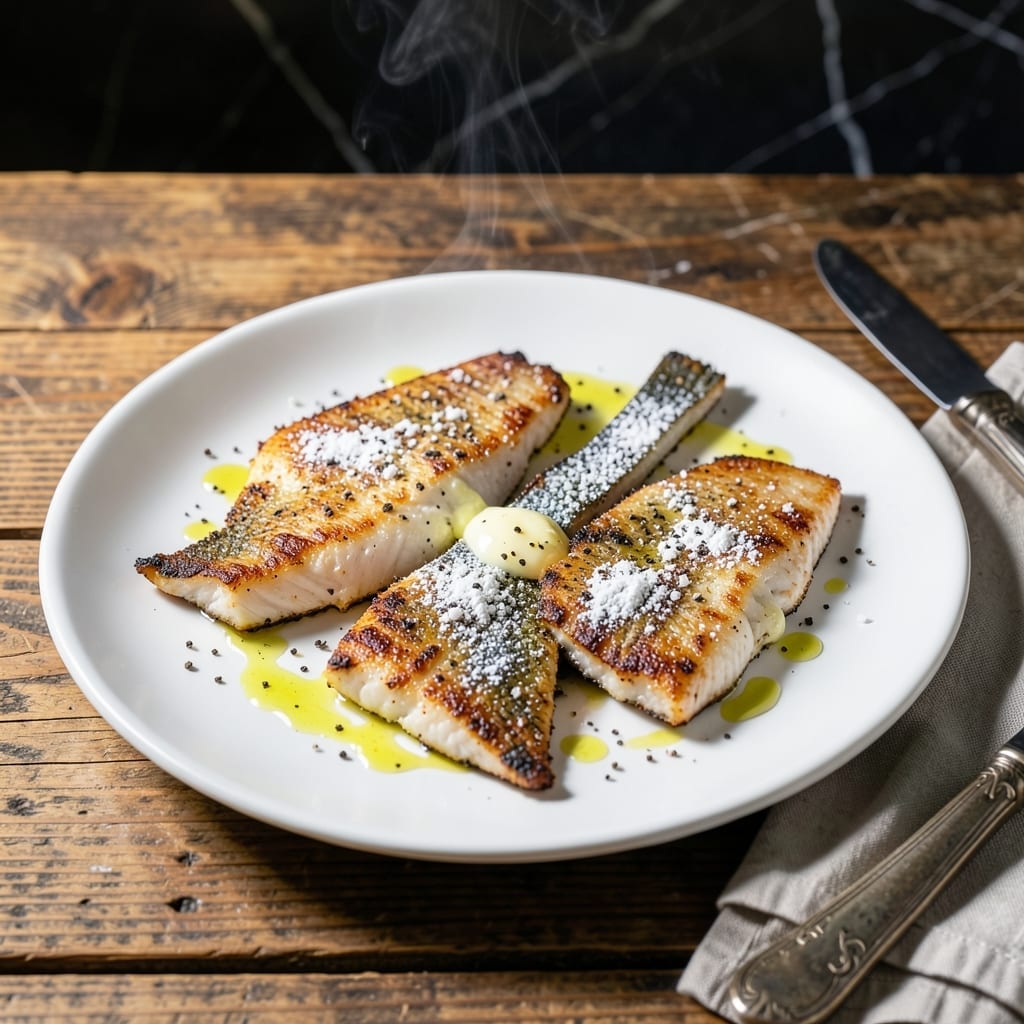
This pan-seared mangrove snapper delivers a restaurant-quality finish with minimal effort. The key is precise timing and temperature control to achieve perfectly flaky fish every time.
The citrus-herb finish elevates the natural sweetness of the snapper while adding bright, aromatic notes. A hot pan ensures a golden crust, sealing in moisture without overcooking the delicate flesh.
What sets this apart is the balance—crisp exterior, tender interior, and a sauce that complements rather than overpowers. The result is clean, elegant, and packed with coastal flavors.
Serve with roasted vegetables or a light salad to complete the meal. This method guarantees best results with every fillet.
Ingredients for Best Mangrove Snapper
Four fillets, fresh herbs, and citrus create this elegant coastal dish with restaurant flair.
| Ingredient | Amount | Notes |
|---|---|---|
| Mangrove Snapper Fillets 🐟 | 4 whole | Skin-on, 6-8 oz each, fresh or thawed |
| Kosher Salt 🧂 | 1 ½ tsp | Diamond Crystal preferred for even seasoning |
| Freshly Ground Black Pepper 🌶️ | ¾ tsp | Coarse grind for texture |
| All-Purpose Flour 🌾 | ½ cup | For light dusting before searing |
| Avocado Oil 🫒 | 3 tbsp | High smoke point for pan-searing |
| Unsalted Butter 🧈 | 2 tbsp | For basting during cooking |
| Fresh Lemon Juice 🍋 | 3 tbsp | Meyer lemon preferred for sweetness |
| Fresh Orange Juice 🍊 | 2 tbsp | Navel or Valencia variety |
| Orange Zest 🍊 | 1 tsp | Finely grated from fresh orange |
| Fresh Thyme Leaves 🌿 | 2 tsp | Stems removed, loosely packed |
| Fresh Rosemary 🌿 | 1 tsp | Finely chopped, stems discarded |
| Garlic Cloves 🧄 | 3 cloves | Minced finely for even distribution |
| Shallot 🧅 | 1 whole | Finely diced for sauce base |
| Dry White Wine 🍷 | ¼ cup | Sauvignon Blanc or Pinot Grigio |
| Extra-Virgin Olive Oil 🫒 | 1 tbsp | For finishing sauce |
[recipe_ingredient_scaler]
The snapper is non-negotiable—wild-caught mangrove snapper from a trusted fishmonger ensures the best texture and flavor. Look for fillets with vibrant, moist flesh and a mild ocean aroma. Whole Foods or local seafood markets typically carry it fresh, but high-quality frozen works in a pinch. The citrus must be fresh; bottled juice lacks the bright acidity needed to balance the richness of the fish.
No shallots? Red onion at half the quantity provides similar sweetness. Out of fresh thyme or rosemary? Dried herbs at one-third the amount can substitute, but fresh is ideal for the aromatic finish. For a non-alcoholic option, replace the wine with additional citrus juice and a splash of chicken or vegetable stock. The flour can be swapped for cornstarch for a gluten-free crust.
Cook the snapper the same day you buy it for optimal freshness, or store it in the coldest part of your fridge for up to 1 day. The finished dish is best served immediately, but leftovers keep for 2 days refrigerated. Reheat gently to avoid drying out the delicate fish.
Why You’ll Love This Recipe
- One Pan Wonder: I love that I only need a skillet, some flour, and avocado oil—no fancy equipment, just simple steps.
- Crispy Perfection: The light flour coating fries up golden in the avocado oil, locking in that sweet, flaky snapper flavor.
- Dinner in Minutes: From fillet to plate in under 20 minutes. Honestly, it’s faster than ordering takeout.
- Budget Friendly: Mangrove snapper stretches further than pricier fish, and a little goes a long way for a satisfying meal.
Step-by-Step Instructions for Pan-Seared Mangrove Snapper With Citrus-Herb Finish
Master the technique for perfectly crisp skin and flaky, moist fish with this refined method.
Step 1: Season and Dredge the Fillets
Pat the mangrove snapper fillets completely dry with paper towels—this is essential for achieving a crisp crust. Season both sides evenly with the 1.5 tsp kosher salt and 0.75 tsp freshly ground black pepper, ensuring full coverage for balanced flavor.
Dredge each fillet lightly in the 0.5 cup all-purpose flour, shaking off excess. This creates a delicate coating that promotes even browning and prevents the skin from sticking during searing. Handle the fillets gently to preserve their structure.
Step 2: Sear the Fillets to Golden Perfection
Heat the 3 tbsp avocado oil in a large skillet over medium-high heat until shimmering. Place the fillets skin-side down in the pan, pressing gently with a fish spatula for 10 seconds to prevent curling. Cook undisturbed for 4-5 minutes until the skin is golden brown and crisp.
Flip the fillets carefully and add the 2 tbsp unsalted butter to the pan. Tilt the skillet slightly and spoon the foaming butter over the fillets repeatedly for 1-2 minutes to baste and cook the second side to opaque white throughout.
Step 3: Build the Citrus-Herb Sauce Base
Transfer the cooked fillets to a warm plate. In the same skillet, reduce heat to medium and add the finely diced 1 whole shallot. Sauté for 1-2 minutes until translucent, then add the minced 3 cloves garlic cloves, 2 tsp fresh thyme leaves, and 1 tsp fresh rosemary, stirring for 30 seconds until fragrant.
Pour in the 0.25 cup dry white wine to deglaze the pan, scraping up any browned bits with a wooden spoon. Simmer for 2-3 minutes until the liquid reduces by half and the shallots soften completely.
Step 4: Finish with Citrus and Emulsify
Add the 3 tbsp fresh lemon juice, 2 tbsp fresh orange juice, and 1 tsp orange zest to the skillet. Simmer for 1 minute to meld the flavors. Remove from heat and whisk in the 1 tbsp extra-virgin olive oil to create a glossy, emulsified sauce.
Return the fillets to the skillet, skin-side up, and spoon the sauce over them. The sauce should coat the fish lightly without overwhelming its delicate flavor. Serve immediately while the skin remains crisp and the sauce is vibrant.
Pro Tips For Making Best Mangrove Snapper
- Heat the Oil Hot: Get that avocado oil shimmering but not smoking—about 375°F—before adding the fillets. I learned this the hard way after too many soggy, oil-soaked batches.
- Pat Those Fillets Dry: Use paper towels to remove every bit of moisture from the snapper before seasoning. Sounds tedious, but it’s the only way to get that flour coating to stick and crisp properly.
- Skip the Overcrowding: Fry in batches if needed—two fillets at a time max in a standard skillet. Steer clear of cramming them in, or they’ll steam instead of sear.
- Season the Flour: Mix a teaspoon each of kosher salt and black pepper right into the flour before dredging. After burning one too many underseasoned pieces, I finally figured out this is where the flavor lives.
Serving Suggestions for This best mangrove snapper
Plating Presentation
Place each fillet skin-side down on warm plates, with the crisp side facing up. Spoon the citrus-herb sauce around the fish, not over it, to preserve the golden crust. The vibrant sauce adds color contrast while the fish remains the star. 💛
Garnish Ideas
Finish with a sprinkle of fresh thyme leaves or orange zest for a pop of color. A few microgreens or edible flowers add an elegant touch without overpowering the dish.
Side Pairings
A light arugula salad with lemon vinaigrette complements the richness. For heartier meals, serve with roasted asparagus or sautéed green beans to balance the plate.
Bread Options
Offer crusty sourdough bread to soak up the citrus sauce. A warm baguette works equally well for a rustic touch. Both options add texture without stealing focus from the fish.
Wine Pairing
A crisp Sauvignon Blanc or a light Pinot Grigio enhances the citrus notes. For red lovers, a chilled Pinot Noir offers subtle earthiness that pairs beautifully. 🍷
Nutrition Facts
Frequently Asked Questions
Can I use skinless fillets for this recipe?
Yes, but you’ll lose the crispy texture. Sear skinless fillets for 2-3 minutes per side at medium-high heat to prevent drying. The flour coating still helps create a light crust.
What’s the best way to check doneness?
The flesh should flake easily with a fork and reach 145°F internally. For perfect results, test the thickest part after 4-5 minutes of cooking. Overcooking makes the fish tough.
Can I substitute another fish for mangrove snapper?
Red snapper or sea bass work well with the same cooking times. Avoid very lean fish like cod, as they dry out faster. The citrus sauce pairs beautifully with most white fish.
How do I prevent the sauce from separating?
Whisk constantly while adding the olive oil off heat. If it separates, return to low heat and whisk vigorously for 30 seconds to re-emulsify.

Trained in classic French technique but raised on slow-cooked ribs and spicy rubs, she blends culinary skill with smoke and soul.
- Recipe for Boneless Pork Chops in Cast Iron Skillet: Sear and Baste to Juicy Perfection - October 3, 2026
- Recipe for Boneless Cross Rib Roast: Slow-Roasted Beef with Herb Crust - October 3, 2026
- Hamburgers in Sauce Recipe Crock Pot: Slow-Cooked Savory Delight - October 3, 2026