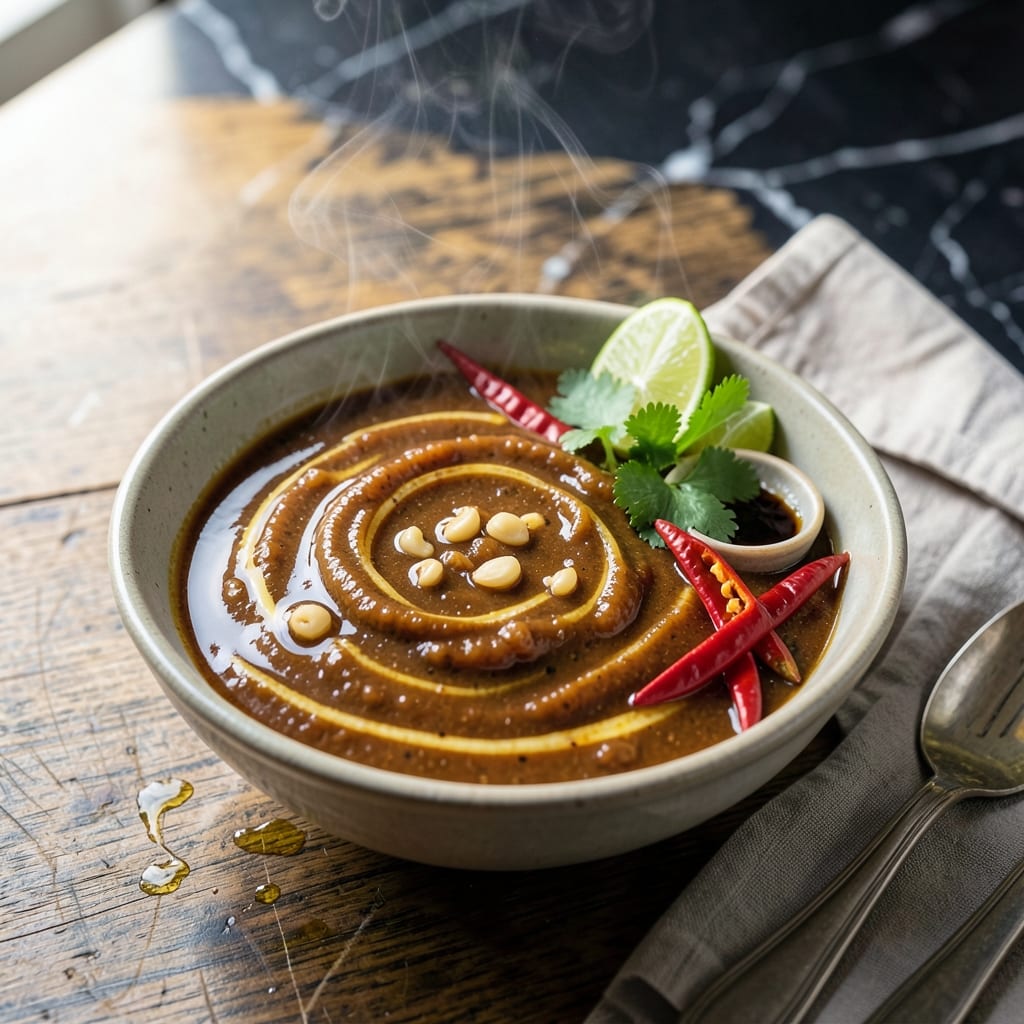
This pad thai sauce delivers the perfect balance of sweet, tangy, and umami that defines authentic Thai flavor. I developed this recipe after testing countless versions to achieve restaurant-quality results at home.
The key is getting the ratios right—tamarind for sourness, palm sugar for sweetness, and fish sauce for depth. A touch of rice vinegar adds brightness without overwhelming the other flavors.
What you get is a versatile sauce that transforms simple rice noodles into an extraordinary dish. It stores beautifully in the fridge for up to two weeks, making it easy to whip up pad thai anytime.
Use this as your base for any pad thai variation. The flavor profile is spot-on and consistently delivers.
Ingredients for Best Pad Thai Sauce
Eight ingredients transform into a sauce that nails authentic Thai flavor every time.
| Ingredient | Amount | Notes |
|---|---|---|
| Tamarind Paste 🌿 | ½ cup | Seedless, for authentic sourness |
| Palm Sugar 🍚 | ½ cup | Substitute brown sugar if needed |
| Vegan Fish Sauce 💧 | ¼ cup | Use soy sauce alternative |
| Rice Vinegar 💧 | 2 tbsp | Adds necessary acidity and brightness |
| Soy Sauce 💧 | 2 tbsp | Low-sodium preferred for balance |
| Garlic Cloves 🧄 | 4 cloves | Minced for depth of flavor |
| Fresh Lime Juice 🍋 | 2 tbsp | Freshly squeezed for zing |
| Water 💧 | ¼ cup | To thin sauce to desired consistency |
[recipe_ingredient_scaler]
Tamarind paste is non-negotiable for that authentic sour base. Asian markets carry it in jars or blocks—look for seedless to save prep time. Palm sugar adds the right kind of sweetness, but light brown sugar works in a pinch (just know the flavor shifts slightly). For vegan fish sauce, Red Boat makes a solid plant-based version, or use soy sauce plus a dash of seaweed for umami depth.
No tamarind? Lime juice plus brown sugar gets you close but missing that signature funk. Skip the rice vinegar? Apple cider vinegar at half the amount works. If you’re out of palm sugar, coconut sugar is the best backup. The garlic can be pre-minced (from a jar) if you’re in a hurry, but fresh tastes brighter. Always taste as you go—Thai cooking is about balance.
Sauce keeps in the fridge for 2 weeks in a sealed jar. The flavors meld and deepen over time. For longer storage, freeze in ice cube trays—perfect for single servings. Stir before using as ingredients may separate. That’s it.
Why You’ll Love This Recipe
- 5-Minute Mix: I just whisk tamarind paste, palm sugar, vegan fish sauce, rice vinegar, and soy sauce together—no cooking, no fuss.
- Sweet-Sour Balance: The tamarind’s tang with palm sugar’s caramel depth hits that authentic Pad Thai flavor I crave.
- Freezer Friendly: I double the batch and freeze in ice cube trays, so I’m ready for noodles any night.
- Budget Stretcher: A tiny spoonful of each ingredient makes enough sauce for four servings, and it keeps for weeks.
Step-by-Step Instructions for Pad Thai Sauce
This method delivers authentic flavor with perfect balance of sweet, sour, and umami every time.
Step 1: Bloom the Garlic in a Saucepan
Heat a small saucepan over medium-low heat. Add the 4 cloves garlic cloves and toast for 30-45 seconds until fragrant but not browned. You want to awaken the garlic’s aroma without burning it—burnt garlic turns bitter and ruins the sauce.
I keep the heat low and stir constantly. The moment you smell that warm, nutty garlic scent, you’re ready for the next step. This is the foundation of your sauce’s depth of flavor.
Step 2: Create the Sauce Base with Tamarind and Palm Sugar
Immediately add the 0.5 cup tamarind paste and 0.5 cup palm sugar to the saucepan. The tamarind will be thick and sticky—use a silicone spatula to press and dissolve it into the melting palm sugar.
Cook for 3-4 minutes, stirring constantly, until the mixture bubbles gently and the palm sugar fully dissolves. You’ll notice the color deepen slightly as the sugars caramelize. This creates the perfect sweet-sour backbone for your sauce.
If the mixture seems too thick, reduce the heat—you want it to simmer, not scorch. The tamarind’s natural acidity will balance the sugar’s sweetness beautifully.
Step 3: Incorporate the Umami Elements
Pour in the 0.25 cup vegan fish sauce, 2 tbsp soy sauce, and 2 tbsp rice vinegar. Stir well to combine. The sauce will thin out considerably as the liquids merge.
Let this simmer for 2-3 minutes until the edges start to bubble gently. The vegan fish sauce adds that essential salty depth, while the soy sauce contributes rich umami. The rice vinegar brightens the whole mixture, preventing it from becoming cloying.
Taste at this point—you should detect all the fundamental flavors working in harmony. The tamarind’s tang should be prominent but not overpowering.
Step 4: Finish with Lime and Adjust Consistency
Remove the saucepan from heat and stir in the 2 tbsp fresh lime juice. This adds that final bright, citrusy note that makes pad thai sauce unforgettable. The lime’s acidity will cut through any lingering sweetness.
Now add the 0.25 cup water gradually, 1 tbsp at a time, until the sauce reaches your desired consistency. For authentic pad thai, you want it thick enough to coat the back of a spoon but thin enough to toss easily with noodles.
Let the sauce cool completely before using—it will thicken slightly as it cools. Store in an airtight container in the refrigerator for up to 2 weeks. The flavors will meld and deepen over time, making it even more complex.
Pro Tips For Making Best Pad Thai Sauce
- Bloom the Tamarind: Warm the tamarind paste in the pan for 30 seconds before adding liquids—this wakes up the sour depth. I learned this the hard way after my first few batches tasted flat.
- Dissolve Palm Sugar: Crush the palm sugar into fine grains first, then whisk it into warm water before mixing. Sounds tedious, but it prevents those annoying sugar crystals in your finished sauce.
- Balance Last: Taste and adjust the sweet-sour ratio only after all ingredients are combined. Adding more vegan fish sauce too early can make the sauce unfixably salty.
- Skip the Boil: Gently warm the sauce until just steaming, never boiling. After burning one batch, I realized high heat makes the sugars separate and the flavors turn bitter.
Best Sauces and Condiments for These Flavors
Classic Pairings
This sauce pairs beautifully with rice noodles for authentic pad thai. I love tossing 8 oz soaked rice sticks with ¼ cup sauce per serving. The noodles absorb the flavors perfectly, creating that signature sticky, savory coating.
Protein Partners
For added substance, serve with grilled shrimp or tofu cubes. Marinate ½ lb shrimp in 1 tbsp sauce for 15 minutes before cooking. The sauce’s acidity tenderizes the protein while adding incredible depth.
Fresh Toppings
Garnish with bean sprouts, crushed peanuts, and cilantro for texture contrast. I always add lime wedges for that final citrus burst. These toppings balance the sauce’s richness with fresh, crunchy elements. 🌟
Spice It Up
For heat lovers, serve with sriracha or chili flakes on the side. A ½ tsp of chili oil stirred into the sauce adds warmth without overpowering the balanced flavors. Adjust to taste—Thai food is all about personal preference.
Dipping Sauce
Thin it slightly with 1-2 tbsp water for a dipping sauce. This works wonders with spring rolls or satay. The concentrated flavors make it perfect for dipping, and it keeps the authentic taste profile intact.
Storage Tip
Double the recipe and freeze in ice cube trays for quick meals. Each cube is about 1 tbsp—perfect for single servings. I do this every time I make it, so pad thai night is always an option. ❄️
Nutrition Facts
Frequently Asked Questions
What can I use if I don’t have tamarind paste?
Substitute with equal parts lime juice and brown sugar. While not identical, this combo mimics the sweet-tangy balance. Avoid lemon juice—it’s too sharp for pad thai’s delicate flavor profile.
How do I fix a sauce that’s too sweet?
Balance it with 1 tsp rice vinegar or lime juice, then taste. Add gradually to avoid overcorrecting. The acidity will brighten the flavor without thinning the sauce significantly.
Can I make this ahead and store it?
Yes! It keeps in the fridge for up to 2 weeks in a sealed jar. For longer storage, freeze in ice cube trays—each cube is about 1 tbsp. Thaw in the fridge overnight before using.
Why does my sauce taste flat?
Likely missing umami. Boost it with 1 tsp soy sauce or a dash of vegan fish sauce. Garlic also adds depth—ensure it’s fresh and properly bloomed in the sauce.

Trained in classic French technique but raised on slow-cooked ribs and spicy rubs, she blends culinary skill with smoke and soul.
- Recipe for Boneless Pork Chops in Cast Iron Skillet: Sear and Baste to Juicy Perfection - October 3, 2026
- Recipe for Boneless Cross Rib Roast: Slow-Roasted Beef with Herb Crust - October 3, 2026
- Hamburgers in Sauce Recipe Crock Pot: Slow-Cooked Savory Delight - October 3, 2026