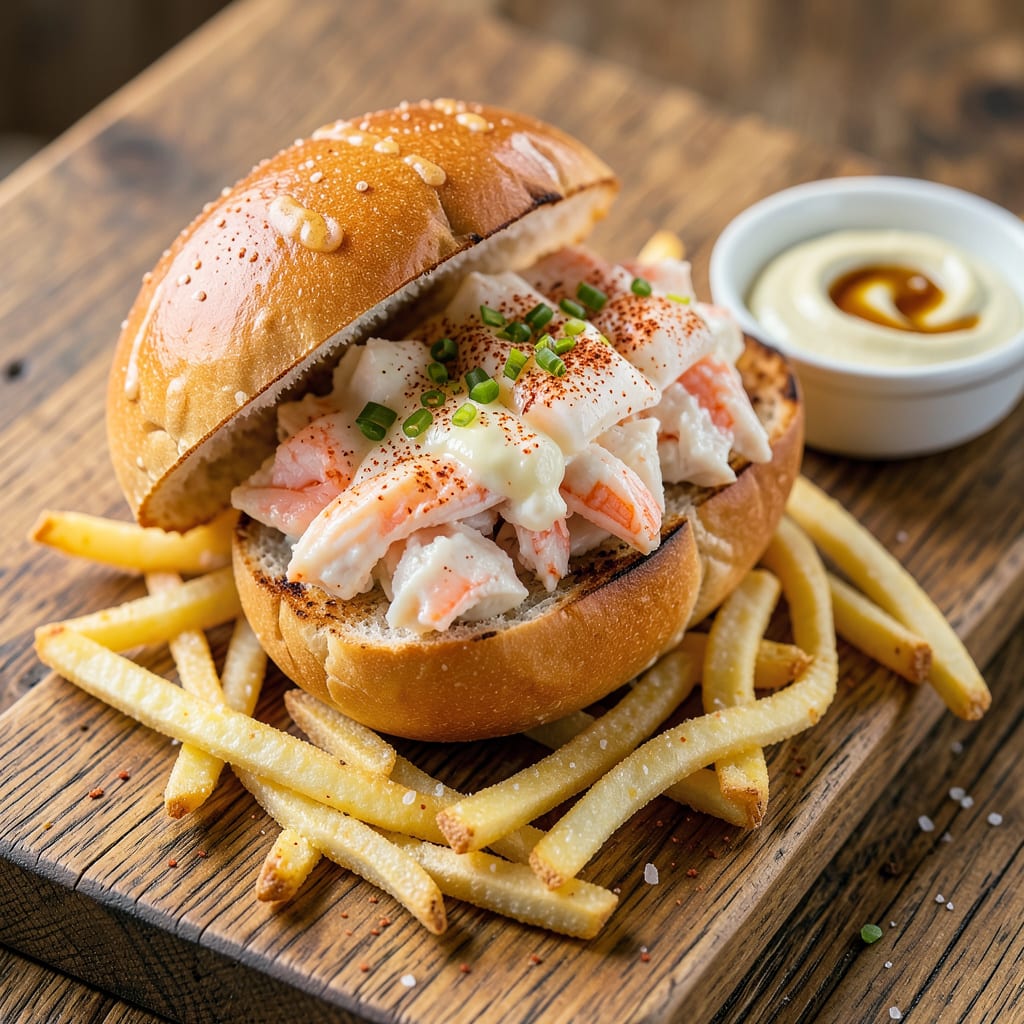
Let me tell you, cooking lobster tails perfectly for rolls is one of those kitchen skills that feels fancy but is actually super simple once you know the tricks. I’ve been making these for years, and the secret is all in the timing and temperature—get those right, and you’ll have buttery, tender meat that practically melts into your roll.
Here’s the thing—most people overcomplicate lobster. You don’t need fancy equipment or hours of prep. My go-to method uses just a pot, some salted water, and about 8-10 minutes of cooking time. The key is pulling the tails out right when they hit that sweet spot between firm and silky. Too long in the water, and you’re eating rubber. Too short, and you’re chewing on sushi.
What you’re after is meat so tender it flakes apart with just a fork, but still holds its shape when piled onto a buttery, toasted roll. I finish mine with a quick toss in warm brown butter and a squeeze of lemon—simple, but it makes all the difference. The first time I served these to my skeptical family, they asked for seconds before finishing their first.
Whether you’re feeding a crowd or just treating yourself, this method delivers restaurant-quality results without the restaurant price tag. The best part? You can cook the tails ahead and assemble the rolls right before serving—no last-minute stress. Now let’s get those tails in the pot!
📚 In This Guide
- What You’ll Need
- Instructions
- Tips and Common Mistakes
What Youll Need
- ● Lobster tails: 4 tails (6–8 oz each), fresh or thawed (never frozen solid! 🦞)
- ● Butter: ½ cup (1 stick) unsalted, plus extra for serving
- ● Lemon: 1 medium, halved (for juice + garnish)
- ● Salt: 1 tbsp kosher or sea salt (plus more to taste)
- ○ Fresh herbs (optional): 2 sprigs thyme or 1 tbsp chopped tarragon
- ○ Garlic (optional): 2 cloves, smashed
- ● Large pot: 4–6 quart, with lid (for boiling or steaming)
- ● Tongs: Long-handled, heat-resistant
- ● Kitchen shears: Heavy-duty (to split tails)
- ● Chef’s knife: Sharp, 8-inch (for butterflying)
- ● Basting brush: Silicone (for butter)
- ○ Meat thermometer (optional but ideal): Instant-read, for perfect 140°F doneness
- ● Baking sheet (if broiling): Rimmed, with wire rack
- ● Lobster roll buns (for serving): 4 top-split, buttery brioche or New England-style
Instructions
Here’s the foolproof method I use to get perfectly tender lobster meat for your rolls—every single time.
Thaw and Prepare the Lobster Tails
If you’re using frozen lobster tails, thaw them overnight in the refrigerator. For a quicker method, place the tails in a sealed plastic bag and submerge them in cold water for 30-45 minutes. Never use warm water, as this can start cooking the delicate meat and ruin the texture.
Once thawed, use kitchen shears to carefully cut down the center of the top shell, stopping at the base of the tail fin. Gently pull the shell apart to expose the meat, leaving it attached at the base. Lift the meat out slightly and place a skewer lengthwise through the center—this prevents the tail from curling as it cooks.
Season and Prep for Cooking
Brush the exposed lobster meat with melted butter and season lightly with salt. I prefer using unsalted butter here so I can control the seasoning. The butter not only adds flavor but also helps protect the meat from drying out during cooking.
Prepare a baking sheet with a wire rack—this setup allows for even heat circulation and prevents the tails from sitting in their own juices. The rack also makes it easier to handle the tails when they’re hot. If you don’t have a rack, you can place the tails directly on the baking sheet, but you’ll need to be more careful when removing them.
Cook Using the Best Method for Tender Meat
Preheat your oven to 425°F. Place the prepared lobster tails on the rack and bake for 12-15 minutes for 8-ounce tails (adjust time slightly for larger or smaller tails). The meat should turn opaque and reach an internal temperature of 140°F—this is the sweet spot for tender, juicy lobster.
You’ll know they’re done when the meat is firm to the touch and the shells turn bright red. Don’t overcook them, as lobster meat continues to cook slightly after being removed from the oven. If you’re unsure, it’s better to check a minute early than to risk tough, rubbery meat.
Remove Meat and Prepare for Rolls
Let the tails cool for 3-5 minutes until they’re safe to handle. Use kitchen shears to cut completely through the shell along the sides, then gently lift the meat out in one piece. I like to cut the meat into ½-inch chunks—large enough to showcase the lobster but small enough to fit perfectly in your rolls.
Toss the warm lobster meat with a small amount of the butter from the baking sheet—this adds extra flavor and keeps the meat moist. If you’re not using the meat immediately, store it in the refrigerator for up to 24 hours, but it’s best served fresh for the ultimate lobster roll experience.
Tips and Common Mistakes
Here’s what I’ve learned from years of perfecting this method—small details that make a huge difference.
Thawing Technique: The 30-45 minute cold water method in Step 1 works perfectly, but here’s the key—use a colander in your sink to keep the tails submerged while allowing water to circulate. I ruined my first batch by letting them float in a bowl, which created uneven thawing. Change the water once halfway through for even faster results.
Skewer Placement: In Step 1 when inserting the skewer, push it all the way through the tail meat lengthwise, not just through the shell. This prevents the classic “lobster curl” that makes meat hard to extract. I learned this trick from a Maine fisherman—it keeps the tail perfectly straight during cooking.
Temperature Precision: At 425°F in Step 3, your oven needs to be fully preheated for at least 20 minutes. I use an oven thermometer to verify—many home ovens run 25°F cooler than their display shows. The 12-15 minute range is perfect when your oven is truly at temperature; underheated ovens require longer cooking and risk dry meat.
Butter Strategy: When brushing with melted butter in Step 2, don’t be shy—use enough to fully coat the meat. The butter creates a protective barrier that locks in moisture during those critical 12-15 minutes in the oven. I like to melt an extra tablespoon to baste the tails halfway through cooking for maximum tenderness.
Pro Tips for Best Way To Cook Lobster Tails For Lobster Rolls
- Here’s what I’ve learned from years of perfecting this method—small details that make a huge difference.
- Thawing Technique: The 30-45 minute cold water method in Step 1 works perfectly, but here’s the key—use a colander in…
- Skewer Placement: In Step 1 when inserting the skewer, push it all the way through the tail meat lengthwise, not just…
Frequently Asked Questions
How long should I cook lobster tails for lobster rolls?
Cooking time depends on size! For 4-6 oz tails, steam or boil for 5-7 minutes (until opaque). Larger 8-10 oz tails need 8-10 minutes. Overcooking makes meat rubbery—pull them out as soon as they hit 140°F internally. Pro tip: Use a meat thermometer for perfect doneness!
Can I grill lobster tails instead of boiling or steaming?
Grilling adds smoky flavor. Split tails lengthwise, brush with melted butter, and grill shell-side down for 5-6 minutes, then flip. Baste with butter until meat is opaque. Avoid direct high heat to prevent charring the delicate meat.
What’s the best way to keep lobster meat tender for rolls?
Two secrets: don’t overcook and chill fast. After cooking, plunge tails into an ice bath for 2 minutes to stop carryover cooking. Then, gently remove meat with a fork—no shredding! Mix with just enough mayo/butter to coat (overmixing = tough rolls).
Can I use frozen lobster tails, and do they taste as good?
Yes, but thaw them overnight in the fridge (never microwave!). Frozen tails can be just as sweet if they’re high-quality (look for “cold-water” lobster). Avoid tails with freezer burn or added sodium tripolyphosphate (check labels). Fresh is ideal, but frozen works in a pinch!
Why is my lobster meat rubbery or mushy?
Rubbery meat = overcooked (pull it out sooner next time!). Mushy texture often means undercooking or thawing improperly (frozen tails soaked in water absorb moisture). Fix it: Cook to 140°F max, and pat dry before searing/grilling for a firmer bite.
Now you’ve got the secret to perfectly cooked lobster tails—tender, buttery, and ready to shine in your next lobster roll! 🦞 Whether you prefer boiling, steaming, or grilling, the key is gentle heat and a watchful eye to avoid overcooking. Pair your succulent lobster with a toasted, buttery bun, a squeeze of lemon, and your favorite sides for a meal that’ll impress every time.
Ready to dive in? Grab fresh lobster tails, fire up the stove (or grill!), and treat yourself to a restaurant-worthy lobster roll at home. Don’t forget to snap a pic and tag us—we’d love to see your delicious results! 📸

Trained in classic French technique but raised on slow-cooked ribs and spicy rubs, she blends culinary skill with smoke and soul.
- Recipe for Boneless Pork Chops in Cast Iron Skillet: Sear and Baste to Juicy Perfection - October 3, 2026
- Recipe for Boneless Cross Rib Roast: Slow-Roasted Beef with Herb Crust - October 3, 2026
- Hamburgers in Sauce Recipe Crock Pot: Slow-Cooked Savory Delight - October 3, 2026