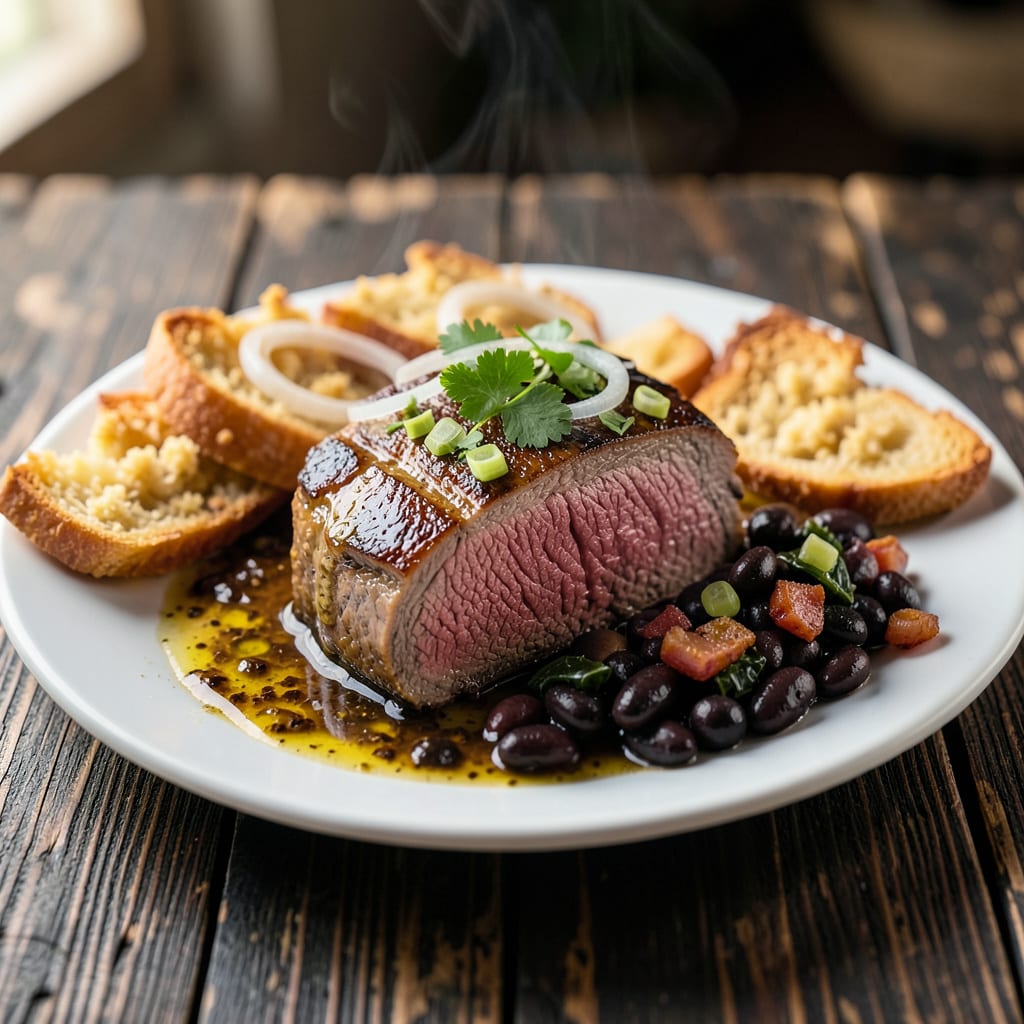
Bife do redondo is a traditional Brazilian beef dish featuring tender round steak, typically slow-cooked in a rich tomato-based sauce with onions, garlic, and spices. It’s often served with rice, beans, or farofa for a hearty, flavorful meal.
This dish embodies the soul of Brazilian comfort food, where humble ingredients transform into something extraordinary through patience and technique. 🔥 The slow-cooking process breaks down the round steak’s tough fibers, while the tomato sauce—enriched with bay leaves and sometimes a splash of vinegar—creates a balance of sweetness and acidity that’s quintessentially Brazilian. What sets it apart is its versatility: it’s equally at home in a weekday family dinner or as the centerpiece of a festive churrasco gathering, where the sauce soaks into the rice and beans for maximum flavor.
💡 In This Article
- Origins and Cultural Significance of Bife Do Redondo
- Step-by-Step Guide to Perfect Bife Do Redondo at Home
Origins and Cultural Significance of Bife Do Redondo
This dish traces its roots to Brazil’s colonial period, where Portuguese settlers adapted European beef stews using local ingredients. The name “redondo” refers to the round cut of beef—specifically the top or bottom round—which was affordable and abundant in Brazil’s cattle-rich regions.
African and Indigenous influences appear in the slow-cooking technique and use of bold spices like cumin and bay leaves, creating a fusion that defines Brazilian comfort food today. 🔥
The preparation method reflects Brazil’s resourcefulness. Early cooks discovered that slow-simmering tougher cuts like round steak in a tomato-based broth for 2-3 hours transformed the meat into fork-tender perfection. The sauce typically includes 1-2 cups of crushed tomatoes, onions sautéed until caramelized, and garlic—ingredients that were accessible across social classes.
This made bife do redondo a unifying dish, appearing on both rural farm tables and urban family dinners.
Regional variations tell Brazil’s culinary story. In the Southeast, cooks often add a splash of red wine or vinegar for acidity, while Northeastern versions might include coconut milk for creaminess. The dish became particularly popular in Minas Gerais state, where it’s traditionally served with farofa (toasted cassava flour) to soak up the rich sauce.
This adaptability explains why it remains a staple at festive gatherings and Sunday family meals across Brazil.
The cultural significance goes beyond taste. Bife do redondo represents the Brazilian value of “comida caseira” (home cooking)—dishes that bring people together. Its slow cooking process encourages conversation in the kitchen, while the hearty portions symbolize generosity.
Many Brazilians associate it with childhood memories of grandparents stirring the pot and the aroma filling the house for hours. ✨
What makes this dish uniquely Brazilian is how it balances simplicity with depth. The technique of slow-cooking tough cuts until tender mirrors the country’s ability to create richness from modest ingredients. The tomato sauce, while basic in components, develops complex flavors through long simmering—a metaphor for Brazil’s diverse cultural influences blending over time.
This balance of accessibility and profound flavor is why bife do redondo has endured for generations.
Modern Brazilian cooks often put their own spin on the classic. Some add smoked paprika for depth, others include bell peppers for sweetness, but the core remains the same: a celebration of slow food and shared meals.
The dish’s popularity at churrascarias (Brazilian steakhouses) alongside more expensive cuts proves that technique and tradition can elevate humble ingredients to star status. 💛
Understanding bife do redondo’s history helps appreciate why it’s more than just a beef stew. It’s a culinary time capsule containing Brazil’s colonial past, regional diversity, and enduring love for meals that bring people together.
The next time you make it, you’re not just cooking dinner—you’re continuing a tradition that stretches back centuries across Brazilian kitchens.

Trained in classic French technique but raised on slow-cooked ribs and spicy rubs, she blends culinary skill with smoke and soul.
- Recipe for Boneless Pork Chops in Cast Iron Skillet: Sear and Baste to Juicy Perfection - October 3, 2026
- Recipe for Boneless Cross Rib Roast: Slow-Roasted Beef with Herb Crust - October 3, 2026
- Hamburgers in Sauce Recipe Crock Pot: Slow-Cooked Savory Delight - October 3, 2026