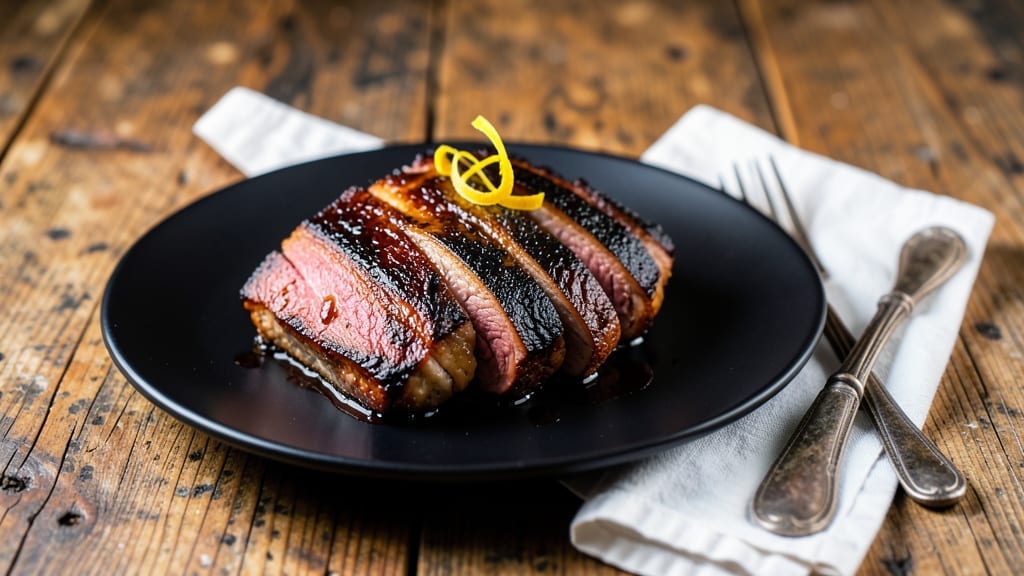
This Big Easy brisket recipe delivers the deep, smoky flavor and melt-in-your-mouth tenderness that makes it a showstopper at any table. The key lies in a carefully balanced spice rub and precise smoking technique that transforms tough beef into irresistible slices.
I perfected this method over years of experimenting with Louisiana-inspired flavors, and it never fails to impress.
What sets this recipe apart is the combination of traditional techniques with a modern twist—using a butter bark during the final hours to create a rich, flavorful crust without drying out the meat.
The slow cooking process allows the connective tissues to break down, resulting in brisket that falls apart at the touch of a fork. This method ensures you’ll have perfectly tender slices every time, with just the right amount of smokiness and spice.
By the time you’re done, you’ll have a brisket that’s so tender it practically melts in your mouth, with a crust that’s rich and flavorful. The aroma alone will have everyone gathering around the table, and the first bite will confirm why this recipe is worth the wait.
Serve it with classic sides like red beans, cornbread, or pickled vegetables for a complete Southern feast.
Whether you’re feeding a crowd or treating yourself to a special meal, this brisket recipe delivers restaurant-quality results with minimal fuss. The step-by-step instructions guide you through every phase, from selecting the right cut of beef to achieving that perfect bark.
Let’s get started on creating a brisket that will have everyone asking for seconds.
Ingredients for big easy brisket
Pantry staples meet Southern tradition. Just a handful of ingredients transform tough beef into melt-in-your-mouth perfection.
| Ingredient | Amount | Notes |
|---|---|---|
| Packer Brisket 🥩 | 10 lb | Whole packer cut, fat cap intact |
| Yellow Mustard 🍯 | ½ cup | For spice rub binder |
| Brown Sugar 🍚 | ½ cup | Light or dark, packed |
| Smoked Paprika 🌶️ | ¼ cup | High-quality, not sweet |
| Garlic Powder 🧄 | 2 tbsp | Freshly ground preferred |
| Onion Powder 🧅 | 2 tbsp | Not onion salt |
| Ground Black Pepper 🌶️ | 1 tbsp | Freshly cracked |
| Kosher Salt 🧂 | 1 tbsp | Coarse grain preferred |
| Ground Cumin 🌿 | 1 tbsp | Toasted for depth |
| Unsalted Butter 🧈 | 1 lb | Cold, cubed for bark |
| Wood Chips 🌳 | 4 cups | Hickory or pecan |
| Beef Broth 💧 | 1 cup | Low-sodium, for spritz |
| Apple Cider Vinegar 🍎 | ¼ cup | For spritzing |
| Fresh Thyme 🌿 | ¼ cup | Chopped, stems removed |
| Fresh Rosemary 🌿 | ¼ cup | Chopped, stems removed |
[recipe_ingredient_scaler]
The brisket cut is everything. Packer brisket from Costco or Whole Foods has the right fat cap for moisture. Look for bright red meat with good marbling—no gray or slimy spots. If you can’t find packer, flat cut works too, but trim the fat to 1/4-inch. The wood chips? Hickory or pecan from Traeger or local smoke shops give that authentic Big Easy flavor. Soak them for 30 minutes before using—keeps them from burning too fast. I always double-check the expiration date on spices too; old paprika tastes bitter.
No smoked paprika? Substitute 1 tbsp cayenne plus 1 tbsp regular paprika for heat, or use 1/4 cup chili powder for a different depth. Fresh thyme and rosemary? Dried works at half the amount, but fresh adds that bright, herbal note. The butter bark is non-negotiable—unsalted butter is key here. Salted will make the bark too salty. For the spritz, low-sodium broth keeps from overpowering the brisket. No vinegar? Lemon juice works, but apple cider vinegar gives that classic tang. And if you’re short on time, pre-made rubs (like Barbecue Guru) cut corners, but homemade tastes better.
This brisket reheats beautifully—wrap it in foil and bake at 300°F for 30 minutes. Keeps in the fridge for 5 days or freezes for 6 months wrapped tightly. I always make extra because it’s that good. For serving, slice against the grain—that’s the secret to tender bites. Leftovers? Shred it for sandwiches or tacos. The bark? Save the scraps for gravy or stock. Nothing goes to waste.
Why You’ll Love This Recipe
- Here’s what sold me: that crispy, golden bark from the cold butter cubes? Chef’s kiss. The smoky paprika and garlic powder in the rub deepen the flavor, but the butter takes it over the top—creamy, sticky, and impossible to resist.
- No-Lid-Never-Open Magic: Honestly, the secret’s in the patience—no peeking, no fiddling. That mustard-brown sugar rub clings like glue, and the spritz of beef broth and apple cider vinegar every two hours? Game-changer. Your smoker does all the work while you sip coffee or watch TV.
- Butter Bark Bliss: Here’s what sold me: that crispy, golden bark from the cold butter cubes? Chef’s kiss. The smoky paprika and garlic powder in the rub deepen the flavor, but the butter takes it over the top—creamy, sticky, and impossible to resist.
- Leftovers That Last: I made this for a crowd, and honestly, the brisket still fed us for days. Slice it thin, reheat in the oven (just 30 minutes at 250°F), and it’s just as good cold in sandwiches or tacos. Five days in the fridge? No waste, just pure convenience.
Step-by-step instructions for Big Easy brisket
Here’s how to transform a tough cut into melt-in-your-mouth perfection with minimal fuss.
Prepare the Brisket and Spice Rub
Start by trimming the fat cap of the 10 lb packer brisket down to about ¼-inch thickness using a sharp knife. Leave the rest of the fat intact—this helps keep the meat moist during cooking. Pat the brisket dry with paper towels, then place it fat-side up in a roasting pan.
In a medium bowl, combine the ½ cup yellow mustard, ½ cup brown sugar, ¼ cup smoked paprika, 2 tbsp garlic powder, 2 tbsp onion powder, 1 tbsp ground black pepper, 1 tbsp kosher salt, and 1 tbsp ground cumin. Mix well until you have a thick, paste-like consistency. This mustard-based rub sticks better than dry blends and helps create that signature bark.
Generously coat the brisket with the spice rub, pressing it into every nook and cranny. Don’t be shy—you want that flavor to penetrate deep. Let the brisket sit at room temperature for 1 hour before cooking. This step ensures even cooking and maximum flavor penetration.
Smoke the Brisket Low and Slow
Set up your smoker using the 4 cups of wood chips (hickory or pecan work best). Preheat the smoker to 225°F and let it smoke for 15-20 minutes to establish a good smoke ring. Place the brisket fat-side up on the smoker grates and close the lid.
Smoke the brisket for 6-8 hours, maintaining a temperature between 225-250°F. This low-and-slow approach breaks down the tough connective tissue, transforming it into tender, fork-tender meat. Every 2 hours, spritz the brisket with a mixture of 1 cup beef broth and ¼ cup apple cider vinegar. This keeps the meat moist and adds extra flavor.
Here’s the thing—don’t open the smoker lid during this time. Every time you peek, you lose heat and extend the cooking time. Trust your thermometer and the process. You’ll know it’s ready when the internal temperature reaches 165-170°F.
Apply the Butter Bark and Finish Cooking
Once the brisket reaches 165-170°F, it’s time to add the butter bark. Increase the smoker temperature to 275°F. Cut the 1 lb unsalted butter into small cubes and place them on top of the brisket, spreading them evenly over the surface. This butter will render and create a delicious, crispy bark.
Continue smoking the brisket until the internal temperature reaches 203°F. This can take an additional 2-4 hours, depending on your smoker. The bark should be deep golden brown and crispy to the touch. The brisket is done when it’s fork-tender and the internal temperature can’t rise any higher.
Remove the brisket from the smoker and let it rest for 1 hour. During this time, tent it loosely with aluminum foil. This resting period allows the juices to redistribute throughout the meat, ensuring each slice is moist and flavorful.
Slice and Serve
After resting, slice the brisket against the grain into ½-inch thick slices. The grain runs horizontally across the flat and point, so you’ll need to adjust your slicing angle accordingly. This step ensures each bite is as tender as possible.
Garnish the brisket with the chopped ¼ cup fresh thyme and ¼ cup fresh rosemary just before serving. These fresh herbs add a bright, aromatic finish that complements the smoky, spicy flavors of the brisket. Serve immediately with your favorite sides, like coleslaw or roasted vegetables.
Real talk: This brisket is so tender it practically falls apart. The bark is crispy, the meat is juicy, and the flavors are perfectly balanced. You’ll want to make this again and again—it’s that good.
Pro Tips For Making Big Easy Brisket
- Trim That Fat Cap: Cut the brisket’s fat cap down to ¼-inch—no less, no more. I learned this the hard way: thinner fat burns faster and turns bitter, while thicker fat won’t render properly. A sharp knife and steady hand make this step faster than you’d think.
- Mix the Rub Like a Paste: The mustard isn’t just a binder—it’s the glue that makes this rub stick. Whisk the ½ cup yellow mustard into the dry spices until it’s thick enough to coat the back of a spoon. Dry rubs slide off; this one clings like it’s been there for days.
- Spritz Early, Spritz Often: Don’t wait until the brisket looks dry to spritz. Hit it every 2 hours with the beef broth and apple cider vinegar mix—even if it seems fine. The vinegar cuts through the sugar buildup, and the broth keeps the surface from drying out before the bark forms.
- Butter Up Before It’s Done: The 1 lb cold butter needs to go on when the brisket hits 165–170°F, not later. If you wait too long, the butter melts too fast and pools instead of crisping into bark. Spread it in small cubes, and resist the urge to press it in—just let it melt into perfection.
Regional styles of big easy brisket
New Orleans Big Easy Style
The Big Easy brisket I grew up with in New Orleans has a distinct approach—think bold, sweet-spicy rub with a buttery crust that balances the smoky heat. Locals often wrap it in butcher paper during the final hours to lock in moisture while keeping that signature crispy bark.
The key difference? We use hickory wood chips for that classic New Orleans smokiness and finish with a light drizzle of hot honey before serving. This version stays true to the city’s tradition of slow-cooked, saucy perfection—no dry brisket here! 🌟
Texas Style Texas Crutch
Down in Texas, they take the “crutch” concept further by wrapping the brisket in pink butcher paper as soon as it hits 165°F, then adding unsalted butter cubes on top for the bark. The Texas method often includes a garlic-butter spritz during the final hour to enhance flavor.
I’ve seen pitmasters even add a layer of brown sugar before the butter for extra caramelization. The result? A juicier, sweeter brisket with a deeper bark. It’s all about that Texas-sized tenderness! 🔥
Carolina Vinegar-Infused Twist
In the Carolinas, the Big Easy brisket gets a tangy kick from apple cider vinegar in the spritz mixture, which cuts through the richness. Some pitmasters even add a pinch of cayenne to the rub for extra heat.
The bark here is often thinner but crispier, and they’ll sometimes finish with a light dusting of smoked paprika before serving. The Carolina version leans into bold, zesty flavors while keeping the same slow-smoked tenderness. It’s a spicy, tangy love letter to Southern cooking! 🍯
Louisiana Creole Fusion
For a true Creole twist, I like adding sautéed onions and bell peppers to the spritz mixture, giving the brisket a sweet, savory depth. Some New Orleans pitmasters even stuff the brisket with garlic, thyme, and a splash of Cajun seasoning before wrapping it.
The bark here is richer, almost like a smoked confit, and the meat absorbs the herbal, spicy notes of the Creole spices. This version is all about layered complexity—just like a good gumbo! ✨
Modern Pitmaster Hybrid
Today’s hybrid approach blends the best of all regions—Texas’s buttery bark, Carolina’s vinegar tang, and New Orleans’ sweet-spicy rub. Pitmasters like Steve Sando (of Smokehouse Meats) often use reverse searing after smoking to lock in juices while enhancing the bark.
Some even add a light glaze of brown sugar and hot sauce in the final minutes. This modern take keeps the classic Big Easy soul but with refined techniques for restaurant-quality results. It’s the future of brisket! 💫
Nutrition facts
Frequently asked questions
Why does this brisket need to rest before slicing?
Resting for 1 hour after smoking lets the meat’s juices redistribute evenly. Skipping this step means dry slices—trust the process! The fat and moisture naturally migrate back into the fibers during rest, ensuring each bite is juicy and flavorful.
Can I use a different wood type for smoking?
Hickory or pecan are ideal, but fruitwoods like cherry or apple add sweetness. Avoid oak—it can overpower the flavor. Just soak the wood chips for 30 minutes to prevent burning. The key is consistency in your preferred wood type for authentic results.
What if my brisket isn’t fork-tender at 203°F?
Check your smoker’s temperature consistency first—fluctuations slow cooking. If needed, wrap the brisket in foil and cook at 250°F for another 1-2 hours. The internal temp will rise without drying out. Patience is key—overcooking is the real risk!
How do I store leftovers without drying them out?
Wrap tightly in foil or plastic wrap and refrigerate for up to 5 days. For freezing, use airtight containers for 6 months. Reheat gently in a low oven at 300°F until warmed through—microwaving makes the bark soggy.

Trained in classic French technique but raised on slow-cooked ribs and spicy rubs, she blends culinary skill with smoke and soul.
- Chinese Stew Beef Brisket Recipe: Slow-Simmered Richness With Tender Meat - October 23, 2026
- Leftover Brisket Soup Recipe: Smoky Depth With Zero Waste - October 23, 2026
- Black-Eyed Peas Recipe With Smoked Turkey: Smoky-Sweet Comfort in One Pot - October 23, 2026