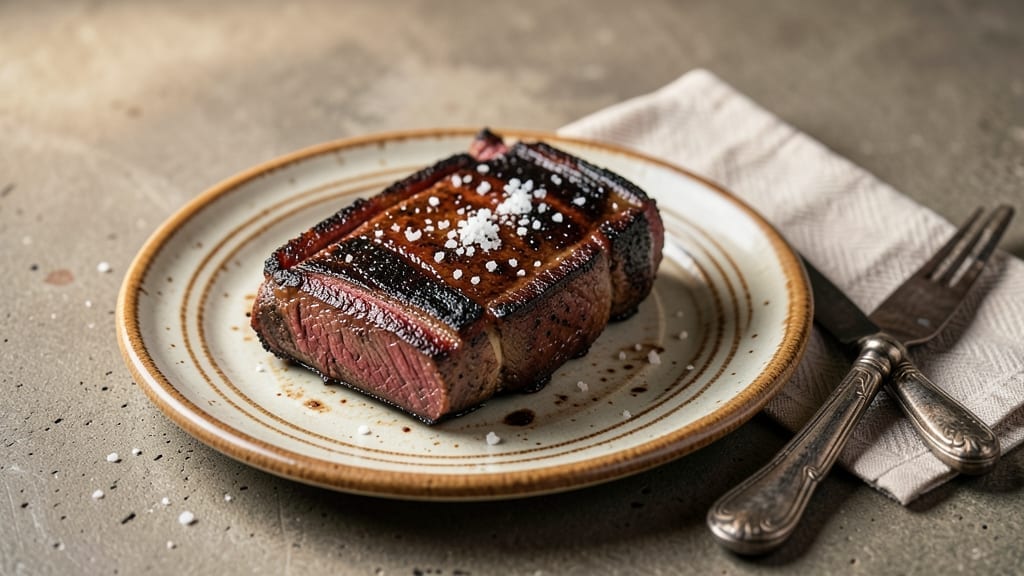
This Big Green Egg beef brisket recipe is the kind of slow-cooked masterpiece that transforms tough cuts into melt-in-your-mouth perfection. 💫 I first tried it during a backyard cookout when my husband Tom insisted we “finally do brisket right,” and honestly, he was right—this method delivers restaurant-quality results with just your smoker and patience.
The secret lies in low-and-slow cooking that breaks down the meat while building deep, smoky flavors.
What makes this recipe special is how it turns a simple Big Green Egg into a flavor powerhouse. You’ll start with a well-trimmed brisket, apply a dry rub of bold spices, then let the smoker work its magic at a steady 225°F for hours.
The key is indirect heat and the right wood—hickory or pecan—so every bite carries that authentic BBQ aroma. I swear by the probe test method, because nothing beats pulling brisket that’s perfectly tender from edge to edge.
By the time you’re done, you’ll have brisket so juicy it practically falls apart at the touch, with a dark, caramelized bark that’s irresistibly crispy. The smoky flavor seeps into every fiber, creating that signature BBQ taste that makes this dish a showstopper.
Serve it sliced thin over buttery mashed potatoes or on toasted buns with pickles—either way, you’re in for a meal that’ll have everyone asking for seconds.
This recipe is foolproof once you get the hang of it, and it’s perfect for feeding a crowd or meal prepping for the week.
The beauty of the Big Green Egg is how it handles both the cooking and the flavor development, so you can relax while it works its magic. Let’s get started on that perfectly smoked brisket!
Ingredients for big green egg beef brisket
Big Green Egg brisket starts with a bold rub and slow, smoky patience.
| Ingredient | Amount | Notes |
|---|---|---|
| Beef Brisket 🥩 | 8 lb | Point cut preferred, trimmed |
| Brown Sugar 🍚 | ½ cup | Light or dark variety |
| Smoked Paprika 🌶️ | 2 tbsp | For deep smoky flavor |
| Garlic Powder 🧄 | 2 tbsp | Not garlic salt |
| Onion Powder 🧅 | 2 tbsp | Fresh ground preferred |
| Black Pepper 🌶️ | 1 tbsp | Freshly ground preferred |
| Salt 🧂 | 1 tbsp | Kosher or sea salt |
| Chili Powder 🌶️ | 1 tbsp | Smoked variety enhances smoke |
| Dried Oregano 🍃 | 1 tbsp | Mexican oregano if available |
| Apple Cider Vinegar 🍎 | 2 tbsp | For tenderizing bark |
| Hickory Wood Chips 🌳 | 1 package | Soaked 30+ minutes |
| Pecan Wood Chips 🌳 | 1 package | For sweet-smoky balance |
| Butter 🧈 | ½ cup | Full-fat for richness |
| Mustard Powder 🍯 | 1 tbsp | Adds tangy depth |
[recipe_ingredient_scaler]
The brisket is everything here. Point cut gives you the most tender meat, and Costco or local butcher are your best bets for quality. Look for good marbling—it’s what keeps the meat juicy during that long cook. I always buy mine a day ahead and let it sit in the fridge uncovered to dry-brine naturally. If you’re short on time, Wegmans or Whole Foods have excellent pre-trimmed briskets that save hours of work. The key is to trim the fat cap down to about 1/4 inch—too thin and it burns, too thick and it stays greasy.
No hickory wood chips? Pecan or cherry wood will give you a similar flavor profile—just expect a slightly sweeter smoke. Mustard powder is a game-changer for that tangy bark, but if you’re out, 1 tbsp Dijon mustard mixed into the rub works in a pinch. The apple cider vinegar might seem odd, but it’s what creates that perfect balance between sweet and tangy in the bark. For the spices, Penzeys or McCormick are solid choices, but honestly, any quality brand will work as long as it’s not stale. I always toast my spices in a dry pan for 30 seconds before mixing them to wake up the flavors.
This brisket is worth every minute of the cook. The Big Green Egg handles the low-and-slow magic beautifully, but if you’re worried about smoke, keep the lid closed and let the indirect heat do the work. The brisket will keep 4-5 days in the fridge, and honestly, it tastes even better the second day as the flavors meld. I portion mine into containers with a thin layer of the cooking juices to keep it moist. For freezing, wrap tightly in foil and vacuum-seal if you’ve got one—it’ll last 3-4 months. The wood chips? Store them in an airtight container with a damp paper towel to keep them fresh for your next cook.
Why You’ll Love This Recipe
- I’ll be honest: the only prep work here is trimming the fat and slapping on that perfect rub. No fancy marinades, no soaking overnight—just 15 minutes of mixing ½ cup brown sugar with smoked paprika, garlic powder, and onion powder, then pressing it into the brisket like you’re giving it a spa day. The Big Green Egg does all the heavy lifting while you sip a drink.
- No Fuss Setup: I’ll be honest: the only prep work here is trimming the fat and slapping on that perfect rub. No fancy marinades, no soaking overnight—just 15 minutes of mixing ½ cup brown sugar with smoked paprika, garlic powder, and onion powder, then pressing it into the brisket like you’re giving it a spa day. The Big Green Egg does all the heavy lifting while you sip a drink.
- Smoky-Sweet Addiction: That combo of hickory and pecan wood chips? Game-changer. The hickory gives you that deep, campfire aroma, while the pecan adds just enough sweetness to balance the beef’s richness. Throw in the mustard powder and apple cider vinegar, and you’ve got layers—smoky, tangy, and just a hint of caramelized bark from the brown sugar. It’s the kind of flavor that makes people ask for seconds, even if they think they’re not big BBQ fans.
- Budget-Friendly Feast: An 8 lb brisket feeds a crowd without breaking the bank—especially when you factor in the dry rub ingredients, which are all pantry staples. Plus, the Big Green Egg’s low-and-slow method means you’re not wasting gas or electricity like with a conventional oven. It’s the kind of meal that makes you feel like a hostess hero, even if you’re just feeding your family or a casual group of friends.
Step-by-step instructions for Big Green Egg beef brisket
Here’s the foolproof method for tender, bark-crusted brisket that delivers on every bite.
🔥 Step 1: Prep the Brisket with the Dry Rub
Start by trimming the fat cap of the 8 lb Beef Brisket down to about ¼ inch thickness using a sharp boning knife. This helps create that perfect bark while keeping the meat moist. Pat the entire surface dry with paper towels—you want it completely dry so the rub adheres and the bark forms properly.
In a small bowl, combine ½ cup Brown Sugar, 2 tbsp Smoked Paprika, 2 tbsp Garlic Powder, 2 tbsp Onion Powder, 1 tbsp Black Pepper, 1 tbsp Salt, 1 tbsp Chili Powder, 1 tbsp Dried Oregano, and 1 tbsp Mustard Powder. Mix until fully blended. Here’s the thing—press this rub firmly into every inch of the brisket, including the fat cap. The mustard powder adds a subtle tang that cuts through the richness, and the brown sugar gives that caramelized bark we’re after.
Let the rubbed brisket sit at room temperature for 1 hour before smoking. This step ensures even cooking and helps the rub penetrate the meat. Don’t skip this—cold meat takes longer to cook evenly and can lead to uneven bark development.
🔥 Step 2: Set Up the Big Green Egg for Smoking
Soak the 1 package Hickory Wood Chips and 1 package Pecan Wood Chips in water for at least 30 minutes before using. This prevents them from burning and creates cleaner smoke. Preheat your Big Green Egg to 225°F using a two-zone fire setup—hot side on one grate and cooler side on the other. The hickory brings deep smoky flavor, while the pecan adds a touch of sweetness that balances the richness.
Place the brisket fat-side up on the cooler side of the grill. The fat will render and baste the meat as it cooks, creating that incredible bark. Add the soaked wood chips to the fire and close the lid. Real talk: resist the urge to peek. Every time you open the lid, you lose heat and moisture, adding 15-20 minutes to your cook time. Trust the thermometer and the process.
Smoke the brisket for 6 hours or until the internal temperature reaches 165-170°F. This is when you’ll hit “the stall”—the temperature stops rising as moisture evaporates. Don’t panic; this is completely normal and part of the process.
🥘 Step 3: Wrap and Finish the Brisket
At the stall, it’s time for the “Texas crutch.” Remove the brisket from the grill and wrap it tightly in butcher paper (not foil—paper breathes better and preserves that precious bark). Here’s what I do: add ½ cup Butter and 2 tablespoons Apple Cider Vinegar to the center of the paper before wrapping. The butter adds richness, while the vinegar tenderizes the meat further and adds a bright note.
Return the wrapped brisket to the grill and continue smoking until the internal temperature reaches 200-205°F and a probe slides in like butter with no resistance. This usually takes another 4-6 hours, but don’t rush it. The probe test is more reliable than the thermometer for determining doneness—tenderness matters more than temperature.
Once probe-tender, remove the brisket from the grill and let it rest in the butcher paper for at least 1 hour (I prefer 2 hours wrapped in towels in a cooler). This resting period allows the juices to redistribute throughout the meat, ensuring every slice is moist and flavorful. The paper also helps maintain that beautiful bark.
🔪 Step 4: Slice and Serve
Unwrap the brisket and locate the grain direction—you’ll see lines running through the meat. Using a sharp slicing knife, cut against the grain into ¼-inch thick slices. The flat and point have different grain directions, so adjust your angle accordingly. Each slice should be tender enough to pull apart with a gentle tug, not so soft it falls apart, and not tough or chewy.
Serve immediately while still warm. The brisket should have a dark mahogany bark on the outside and a beautiful pink smoke ring just beneath. The combination of hickory and pecan wood chips gives it that perfect balance of smoky and slightly sweet flavors. The mustard powder and apple cider vinegar add depth, making every bite complex and satisfying.
Pro Tips For Making Big Green Egg Beef Brisket
- Trim Fat to ¼ Inch: I used to leave too much fat thinking it would keep the brisket juicy, but the recipe calls it right—trim it to ¼ inch. This thickness lets the bark form properly without turning the meat greasy, and the rendered fat still bastes the surface beautifully. Use a sharp boning knife or you’ll fight the connective tissue.
- Soak Wood Chips Longer: The recipe says 30 minutes, but I’ve learned to soak the hickory and pecan wood chips for at least an hour. This prevents flare-ups and ensures steady, flavorful smoke instead of bitter, acrid clouds. Trust me, your brisket will thank you with a cleaner, richer taste.
- Don’t Skip the Stall: When the brisket hits 165–170°F and the temp stops rising, that’s the stall—and it’s not a failure. Wrapping it in butcher paper with the butter and apple cider vinegar is the move that saves the day. Skipping this step means tough, dry meat, not tender perfection.
- Rest It Right: The recipe says 1 hour, but I’ve found that 2 hours in the butcher paper, wrapped in towels and tucked in a cooler, makes all the difference. The juices redistribute properly, and the bark stays intact. Cutting into it too soon is the fastest way to ruin all your hard work.
Dietary considerations for this big green egg beef brisket
Gluten-Free Adaptation
This recipe is naturally gluten-free, but I always double-check my spices for cross-contamination since many brands use gluten as a flow agent. The dry rub itself contains no gluten—just the 1 tbsp mustard powder and 1 tbsp dried oregano—so you can skip any gluten-free labels there.
If you’re serving with sides like cornbread or buns, opt for gluten-free cornbread from brands like Bob’s Red Mill or King Arthur to keep the meal fully compliant. 🌟
Dairy-Free Option
To make this brisket dairy-free, simply omit the ½ cup butter used during the “Texas crutch” wrapping. Instead, add 2 tbsp olive oil or avocado oil to the butcher paper before wrapping.
The apple cider vinegar still tenderizes the meat beautifully, and the flavor remains rich without dairy. I’ve also used vegan butter like Miyoko’s in a pinch—it works surprisingly well! 🥑
Keto-Friendly Adjustments
For a keto-friendly version, reduce the ½ cup brown sugar in the rub to 2 tbsp and swap it for 2 tbsp erythritol or monk fruit sweetener.
The ½ cup butter during wrapping is already keto-compliant, but check your smoked paprika and chili powder for added sugars—Penzeys brand is a safe bet. The carbs come mostly from the natural sugars in the meat, so this version stays well under 5g net carbs per serving. 🍽️
Low-Sodium Considerations
If you’re watching sodium, reduce the 1 tbsp salt in the rub to ½ tbsp and use low-sodium garlic powder and onion powder instead. The apple cider vinegar adds natural tang without extra sodium, and the butter during wrapping provides richness without salt.
I also recommend using unsalted butter like Plugrá to keep sodium levels in check. Taste before serving and add a pinch of flaky sea salt like Maldon at the table if needed. 🧂
Vegetarian Substitutes
While this isn’t a vegetarian recipe, I love making portobello mushroom caps with the same dry rub for a smoky vegetarian option. Trim the caps, pat dry, and apply the same dry rub (omitting the mustard powder if you prefer).
Smoke them at 225°F for 2-3 hours until tender, then slice and serve. For a “meaty” texture, add ½ cup walnuts or lentils to the rub before smoking. The flavors are surprisingly similar! 🌱
Allergen-Free Tips
This recipe is free from common allergens like dairy, gluten, and nuts, but always check individual ingredients for potential cross-contamination. For those with mustard allergies, skip the mustard powder and add 1 tsp ground turmeric for color and earthiness.
If you’re avoiding wood smoke (like some with respiratory sensitivities), use liquid smoke sparingly in the rub or opt for a charcoal pellet smoker with minimal smoke output. My husband Tom has mild smoke sensitivity, so we keep the vent slightly open during the final hour. 💨
Nutrition facts
Frequently asked questions
Why does my Big Green Egg brisket need to rest before slicing?
Resting is absolutely essential for juicy brisket! After cooking, the meat’s internal juices redistribute when left to rest for at least 1 hour (I prefer 2 hours in butcher paper). This prevents a messy, dry slice and ensures every bite is tender and flavorful. Think of it like letting a loaf of bread cool—it’s just as important for meat!
Can I use foil instead of butcher paper for wrapping?
Butcher paper is your best friend here—it breathes while keeping moisture in, preserving that perfect bark. Foil traps steam and can make the bark soggy. The Texas crutch works best with paper, but if you’re in a pinch, use foil for 30 minutes max before switching to paper. The key is maintaining that crispy exterior!
How do I know when the brisket is done without a thermometer?
Look for the “probe test”—when a sharp knife or probe slides in like butter with no resistance, it’s ready! The internal temp should reach 200-205°F, but if you don’t have a thermometer, check for a pink smoke ring just beneath the bark and a tender texture when pressed gently. This method works perfectly with your Big Green Egg!
What should I do if my bark burns before the brisket cooks through?
Burnt bark happens when the fat renders too quickly. Reduce the heat slightly or move the brisket to a cooler part of the grill. If it’s already burnt, focus on cooking the meat thoroughly first—you can always add more rub and smoke it again for flavor. Patience is key with brisket!

Trained in classic French technique but raised on slow-cooked ribs and spicy rubs, she blends culinary skill with smoke and soul.
- Chinese Braised Beef Brisket with Daikon Recipe: Silky Tender Meat and Crunchy Roots - October 18, 2026
- Oklahoma Joe’s Smoked Beans Recipe: Slow-Smoked Flavor That Rivals the Original - October 18, 2026
- Beef Brisket Chili Recipe: Slow-Simmered Richness with Deep Flavor Layers - October 18, 2026