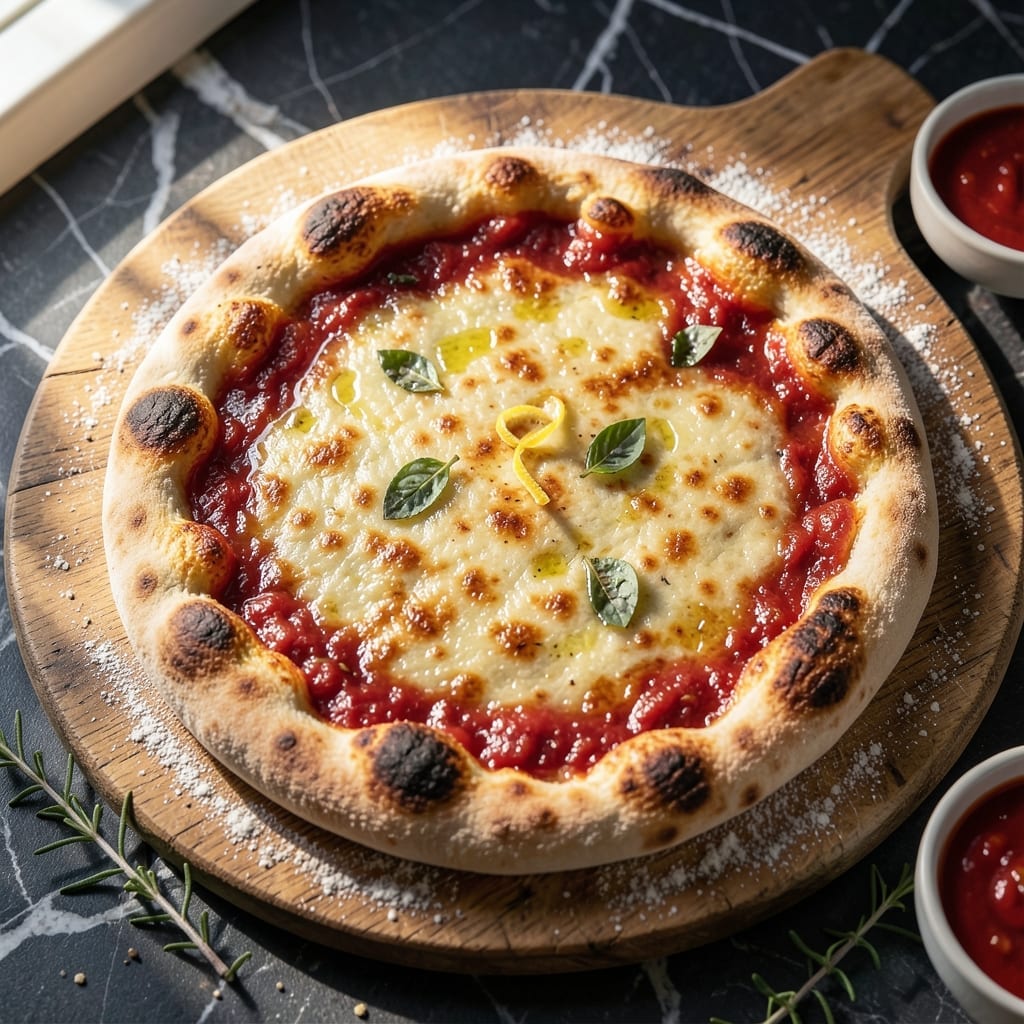
There’s nothing like a homemade pizza crust that delivers both fluffiness and crispness in every bite. This recipe transforms simple ingredients into a base worthy of your favorite toppings.
Using Bob’s Red Mill flour creates the perfect texture—light yet sturdy enough to hold generous sauces and cheeses. The dough comes together quickly with minimal effort, requiring just 10 minutes of prep before its first rise.
The key is letting the dough rest properly, which develops flavor and ensures that ideal airy interior with a crisp exterior. Baked at high heat, it achieves that golden finish that makes all the difference.
Whether you prefer classic margherita or loaded veggie, this crust provides the foundation for a perfect pizza night at home. The results speak for themselves.
Ingredients for Bob’s Red Mill Pizza Crust
Bob’s Red Mill flour plus a few pantry staples create this exceptional crust foundation.
| Ingredient | Amount | Notes |
|---|---|---|
| Bob's Red Mill All-Purpose Flour 🌾 | 3 ½ cups | Plus extra for dusting surface |
| Active Dry Yeast 🍞 | 2 ¼ tsp | One standard packet size |
| Granulated Sugar 🧂 | 1 tsp | Feeds the yeast activation |
| Kosher Salt 🧂 | 1 ½ tsp | Diamond Crystal preferred for consistency |
| Extra-Virgin Olive Oil 🫒 | 2 tbsp | Divided for dough and bowl |
| Warm Water 💧 | 1 ¼ cups | 110-115°F for yeast proofing |
| Cornmeal 🌽 | ¼ cup | For dusting pizza stone or pan |
| Semolina Flour 🌾 | 2 tbsp | Optional for extra crisp texture |
| Honey 🍯 | 1 tsp | Enhances browning and flavor |
| Garlic Powder 🧄 | ½ tsp | Optional for flavor variation |
[recipe_ingredient_scaler]
The flour is non-negotiable here—Bob’s Red Mill All-Purpose delivers the ideal protein content for both fluffiness and structure. King Arthur works as a backup if unavailable. Yeast must be fresh (check expiration date) and proofed properly. Diamond Crystal kosher salt ensures consistent seasoning without overpowering. Warm water temperature is critical—too hot kills yeast, too cold slows activation.
No Bob’s Red Mill? King Arthur or Pillsbury all-purpose are acceptable substitutes. Short on time? Instant yeast can replace active dry at a 1:1 ratio with no proofing step. Honey can be swapped with agave or sugar for vegan adaptation. Cornmeal isn’t essential but adds texture—semolina or breadcrumbs work too. For gluten-free, a 1:1 Bob’s Red Mill gluten-free blend is the only reliable swap.
Dough rests best in a lightly oiled bowl at room temperature (1-2 hours for first rise). Refrigerate for up to 24 hours for slow fermentation and deeper flavor. Baked crusts freeze well for 1 month—reheat directly from frozen on a preheated stone.
Why You’ll Love This Recipe
- Five Ingredients: I love that this crust needs just flour, yeast, sugar, salt, and olive oil—no complicated shopping.
- Crispy Yet Chewy: The olive oil in the dough gives it that bakery-style texture I’ve been chasing.
- Endless Toppings: It holds up to anything from marinara to pesto, or even just garlic and herbs for a quick lunch.
- Budget Stretch: One bag of Bob’s Red Mill flour makes multiple crusts, so it’s my go-to for feeding a crowd without breaking the bank.
Step-by-Step Instructions for Bob’s Red Mill Pizza Crust
Master the technique for a perfectly textured crust with professional results at home.
Step 1: Activate the Yeast
In a small bowl, combine the 1.25 cups Warm Water (at 110-115°F), 1 tsp Granulated Sugar, and 2.25 tsp Active Dry Yeast. Stir gently and let sit for 5-7 minutes until the mixture becomes frothy and opaque.
This proofing step confirms your yeast is alive and active. If the mixture doesn’t bubble, your yeast may have expired or the water temperature was incorrect. The sugar feeds the yeast, while the warm water provides the ideal environment for activation.
Step 2: Mix and Knead the Dough
In a large mixing bowl, combine the 3.5 cups Bob’s Red Mill All-Purpose Flour, 1.5 tsp Kosher Salt, 1 tsp Honey, and 0.5 tsp Garlic Powder. Pour in the activated yeast mixture and 2 tbsp Extra-Virgin Olive Oil.
Mix with a wooden spoon until a shaggy dough forms, then turn onto a lightly floured surface. Knead for 8-10 minutes until smooth and elastic. The dough should spring back slowly when pressed with a finger. This develops the gluten network crucial for that perfect chewy texture.
Step 3: Proof the Dough
Lightly oil a large bowl with the remaining Extra-Virgin Olive Oil, place the dough inside, and turn to coat. Cover with a damp towel and let rise in a warm place for 1-2 hours or until doubled in volume.
I place my bowl near the oven with the light on to create a warm environment. The dough is ready when it holds an indentation when gently pressed. Proper proofing is essential for a light, airy crust with good flavor development.
Step 4: Shape and Prepare for Baking
Punch down the dough and divide into 4 equal portions for individual pizzas. On a surface dusted with 0.25 cup Cornmeal and 2 tbsp Semolina Flour, roll out each portion to your desired thickness.
The cornmeal and semolina prevent sticking while adding texture to the crust’s bottom. For a crispier base, roll the dough thinner; for a chewier crust, keep it slightly thicker. Transfer each shaped crust to a pizza peel or parchment-lined baking sheet.
Step 5: Prebake and Finish
Preheat your oven to 475°F with a pizza stone or inverted baking sheet inside. Slide the crust onto the hot stone and bake for 5-7 minutes until the edges just begin to turn golden brown.
This prebaking step creates a sturdy base that won’t become soggy under toppings. Remove from oven, add your favorite toppings, and return to bake until the cheese melts and the crust reaches your preferred level of doneness. The preheated stone ensures even cooking and a crispy bottom.
Pro Tips For Making Bob’S Red Mill Pizza Crust
- Proof the Yeast: Always dissolve the active dry yeast in warm water (110°F) with a pinch of sugar first—I learned this the hard way after a few flat, sad crusts.
- Use Room-Temp Ingredients: Take the olive oil and any other liquids out of the fridge 30 minutes before mixing; cold ingredients make the dough sluggish and hard to stretch.
- Don’t Over-Flour: Resist the urge to dump extra flour on the counter when kneading; Bob’s Red Mill all-purpose is sturdy, and too much flour makes the crust dense instead of light.
- Rest Before Rolling: Give the dough a solid 30-minute rest after kneading—yes, even if you’re in a hurry—it relaxes the gluten so it stretches without snapping back.
Regional Styles of This Dish
New York Style
For a classic Big Apple thin crust, roll the dough paper-thin and bake at 500°F for 8-10 minutes. I add 1 tbsp olive oil to the dough for extra crispness, just like my favorite Brooklyn pizzeria. The high heat mimics commercial pizza ovens. 🗺️
Neapolitan Approach
This version requires minimal ingredients—just flour, water, yeast, and salt. Roll the dough ¼ inch thick and bake at 550°F for 60-90 seconds. I use San Marzano tomatoes and fresh mozzarella for authenticity.
Chicago Deep Dish
Press the dough into a 9-inch cake pan oiled with 2 tbsp olive oil. Let it rise for 30 minutes before adding toppings in reverse order (cheese first, then sauce). Bake at 425°F for 25-30 minutes.
Sicilian Square
Spread the dough in a 12×17-inch sheet pan oiled generously. Let rise for 1 hour before dimpling with fingertips. Bake at 450°F for 15-20 minutes until golden. This thick, focaccia-like crust is perfect for feeding a crowd.
California Thin
Roll the dough ⅛ inch thick and prebake at 475°F for 5 minutes. Top with unconventional ingredients like goat cheese, figs, and arugula. This West Coast style celebrates fresh, local produce.
Detroit Style
Use a well-oiled 9×13-inch steel pan and press the dough to the edges. Bake at 500°F for 15 minutes until crispy. The blue steel pan creates a caramelized cheese edge that’s signature to this style. 🔥
Nutrition Facts
Frequently Asked Questions
Can I make this dough ahead of time?
Yes! Prepare the dough and let it rise in the fridge for up to 24 hours. This slow fermentation enhances flavor. Bring to room temperature before shaping and baking.
What if my yeast doesn’t bubble during proofing?
Discard and start over with fresh yeast. Check your water temperature—it needs to be 110-115°F. Old or expired yeast often fails to activate properly.
Can I use a different type of flour?
King Arthur or Pillsbury all-purpose works as a substitute. For gluten-free, use Bob’s Red Mill 1:1 gluten-free blend. Avoid bread flour, as it’s too high in protein.
Why did my crust turn out dense instead of fluffy?
Over-kneading or insufficient rising time are common culprits. Knead just until smooth (8-10 minutes) and let it double in size, about 1-2 hours.

Trained in classic French technique but raised on slow-cooked ribs and spicy rubs, she blends culinary skill with smoke and soul.
- Recipe for Boneless Pork Chops in Cast Iron Skillet: Sear and Baste to Juicy Perfection - October 3, 2026
- Recipe for Boneless Cross Rib Roast: Slow-Roasted Beef with Herb Crust - October 3, 2026
- Hamburgers in Sauce Recipe Crock Pot: Slow-Cooked Savory Delight - October 3, 2026