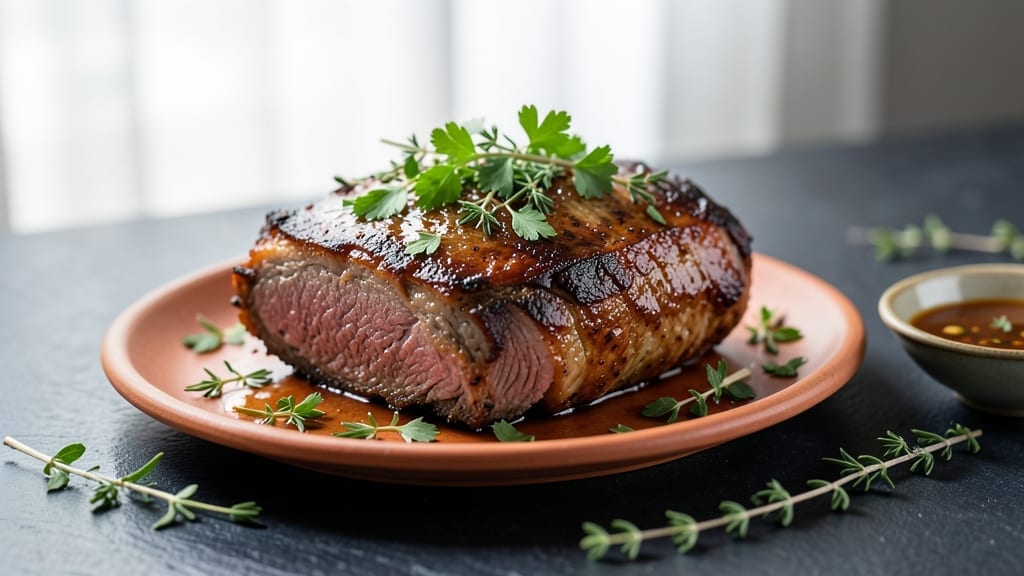
Mastering a brisket of beef recipe that delivers fall-apart tenderness and deep smoky flavor is a game-changer for any cookout or holiday feast. After years of experimenting with different methods—from my Nonna’s Italian-inspired slow-cooking techniques to Texas-style smoking—I’ve perfected a foolproof approach that transforms tough cuts into melt-in-your-mouth perfection.
The secret lies in patience, precise temperature control, and a dry rub that builds flavor layer by layer.
This recipe delivers restaurant-quality results without requiring specialized equipment. A simple dry rub of coffee, brown sugar, and spices creates a bark that’s both aromatic and tenderizing, while the low-and-slow cooking process ensures every bite is juicy and rich.
The key is maintaining a consistent 225°F temperature for hours, allowing the connective tissue to break down naturally. No need for a smoker? A well-insulated oven or even a slow cooker can deliver the same results with minimal effort.
By the time you’re done, you’ll have a brisket so tender it practically disintegrates at the touch of a fork, with a crust that’s crisp enough to stand up to a knife. The aroma alone—smoky, sweet, and deeply savory—will have everyone gathering around the table.
Serve it sliced thin over toasted bread with a side of creamy baked beans and crusty cornbread, and you’ve got a meal that feels like a celebration, no matter the occasion.
Whether you’re hosting a backyard barbecue or prepping for a holiday feast, this brisket recipe is your ticket to juicy, fall-apart perfection. The best part? Leftovers reheat beautifully, making it the ultimate make-ahead dish for feeding a crowd. Let’s get started—your taste buds (and your guests) will thank you.
Ingredients for brisket of beef
Thirteen simple ingredients plus a few pantry staples create restaurant-quality brisket perfection.
| Ingredient | Amount | Notes |
|---|---|---|
| Beef Brisket Point Cut 🥩 | 5 lb | Fat cap trimmed to 1/4 inch |
| Coarse Ground Coffee ☕ | 2 tbsp | Dark roast preferred |
| Light Brown Sugar 🍚 | ½ cup | Packed for density |
| Smoked Paprika 🌶️ | 2 tbsp | Sweet or hot variety |
| Garlic Powder 🧄 | 1 tbsp | Not garlic salt |
| Onion Powder 🧅 | 1 tbsp | Fresh ground preferred |
| Black Pepper 🌶️ | 1 tbsp | Freshly ground coarse |
| Sea Salt 🧂 | 1 tbsp | Kosher or flaky preferred |
| Chicken or Beef Broth 💧 | 2 cups | Low-sodium preferred |
| Apple Cider Vinegar 🍎 | 2 tbsp | For tenderizing |
| Pepperwood Chips 🪵 | 1 package | For smoky aroma |
| Butter 🧈 | 4 tbsp | Full-fat for richness |
| Fresh Rosemary 🌿 | 1 sprig | For garnish and aroma |
[recipe_ingredient_scaler]
The beef is everything here. Brisket point cut (the fattier end) delivers that melt-in-your-mouth texture when cooked low-and-slow. Trim the fat cap to 1/4 inch—any thicker and it’ll render too fast. I always buy from Costco or a local butcher for the best marbling. If you’re using a pre-packaged cut, check the label for USDA Prime or Choice grade. The fat should be bright white, not yellowed—sign of old meat. For extra tenderness, soak the brisket in chicken broth with apple cider vinegar for 4-6 hours before cooking.
No pepperwood chips? Applewood or hickory chips work in a pinch, though the aroma won’t be identical. Short on coffee? Instant espresso powder at half the amount gives a similar depth. For the brown sugar, demerara or turbinado adds caramelized notes when caramelized. Want to skip the vinegar soak? Brining with 1/4 cup salt and 1/4 cup sugar for 4 hours works too. The spices are non-negotiable—garlic and onion powders are your flavor base, while smoked paprika adds that smoky depth. I always toast my spices lightly in a dry pan for 30 seconds to wake up their flavors before mixing with the sugar and coffee.
This brisket keeps beautifully for 4-5 days in the fridge, reheating like it came from the smoker. For the best results, wrap it tightly in foil with a layer of butter between the meat and foil—this keeps it moist. Freeze portions for up to 3 months if you’re prepping ahead. The broth can be reduced to a glaze by simmering it down with 1 tbsp cornstarch for a sticky finish. I portion mine into containers with a sprig of rosemary tucked into the slices—it keeps the meat fresh and adds aroma when reheated. Leftovers make incredible sandwiches or tacos, so don’t skip the extra cooking!
Why You’ll Love This Recipe
- No-Fuss Smoking: That coffee-infused dry rub? It clings like glue and needs zero fancy prep—just coat, refrigerate, and forget until smoke time. Honestly, the hardest part is resisting the urge to peek at the smoker every 10 minutes.
- Coffee-Kissed Bark: The dark roast coffee and smoked paprika create a crust so deep and complex, it’s like eating a campfire in every bite. That sweet-savory balance? Chef’s kiss.
- Crowd-Pleasing Leftovers: This brisket doesn’t just feed a family—it feeds two. The 5 lb cut stretches for sandwiches, tacos, or even next-day breakfast hash. My kids still ask for seconds, even after I told them it was “just meat.”
- Budget Smoker Magic: A whole brisket for under $20? Yes, even on a Tuesday night. The pepperwood chips and broth keep costs low while delivering that restaurant-worthy bark. Plus, freezing portions means no waste.
Step-by-step instructions for slow-smoked brisket of beef
Here’s the method that delivers melt-in-your-mouth tenderness with a perfect bark every time.
Prepare the Brisket with Dry Rub
Start by trimming the fat cap of the 5 lb beef brisket point cut down to exactly ¼ inch thickness using a sharp boning knife. This thickness ensures proper fat render while maintaining moisture. Pat the entire surface dry with paper towels—this step is crucial for both bark development and rub adhesion.
In a small bowl, combine the 2 tbsp coarse ground coffee, ½ cup packed light brown sugar, 2 tbsp smoked paprika, 1 tbsp garlic powder, 1 tbsp onion powder, 1 tbsp black pepper, and 1 tbsp sea salt. Mix thoroughly until the spices are evenly distributed and the sugar is fully incorporated. This aromatic blend creates the perfect balance of sweet, smoky, and savory flavors.
Generously coat the brisket with the dry rub mixture, pressing it firmly into every crevice and corner. The rub should adhere tightly to the meat rather than just sitting on top. Place the brisket on a wire rack set over a baking sheet and refrigerate uncovered for at least 4 hours, or preferably overnight. This resting period allows the rub to penetrate deeply and the meat to dry slightly, which is essential for developing that coveted crust.
Smoke the Brisket Low and Slow
Preheat your smoker to 225°F using the 1 package of pepperwood chips. Maintain a consistent temperature throughout the cook—fluctuations can lead to uneven results. Once the smoker reaches temperature and you see clean, blue smoke (not thick white), place the brisket fat-side up on the grill grates. The fat will render slowly and baste the meat as it cooks.
Close the lid and resist the urge to check on the brisket too often. Each time you open the smoker, you lose heat and moisture, potentially adding 15-20 minutes to your cook time. Smoke the brisket undisturbed for 6-8 hours, or until the internal temperature reaches 165-170°F. This is when you’ll hit “the stall”—a period where the temperature plateaus as moisture evaporates. This is completely normal and expected in the slow-cooking process.
Here’s where the 2 cups chicken or beef broth and 2 tbsp apple cider vinegar come into play. When you reach the stall, wrap the brisket tightly in butcher paper (not aluminum foil) and place it in a pan with the broth and vinegar. The vinegar helps tenderize the meat further while the broth adds moisture. Return the brisket to the smoker and continue cooking until the internal temperature reaches 200-203°F, which typically takes an additional 4-6 hours.
Rest and Finish with Butter and Rosemary
Once the brisket reaches the target temperature, remove it from the smoker and transfer it to a cutting board. Tent loosely with aluminum foil and let it rest for at least 1 hour. This resting period is critical—it allows the juices to redistribute throughout the meat, ensuring each slice is moist and flavorful. The internal temperature will rise another 5-10°F during this time due to carryover cooking.
While the brisket rests, melt the 4 tbsp butter in a small saucepan over low heat. Add the 1 sprig fresh rosemary and let it infuse for 1-2 minutes. This aromatic butter will elevate the final presentation and add a touch of herbal brightness. Once the butter is melted, remove it from heat and set aside.
After the resting period, slice the brisket against the grain into ¼-inch thick slices. The grain direction will be visible as lines running through the meat. Arrange the slices on a serving platter and drizzle generously with the rosemary-infused butter. Garnish with additional rosemary sprigs for presentation. Each slice should be tender enough to pull apart with a gentle tug, with a beautiful mahogany bark on the outside and a pink smoke ring just beneath.
Pro Tips For Making Brisket Of Beef
- Trim That Fat Precisely: The ¼-inch fat cap isn’t just a number—it’s the difference between crispy bark and greasy mess. Use a sharp boning knife and don’t rush; too thick and the fat won’t render cleanly, too thin and you’ll dry out the meat. I learned this the hard way when my first attempt turned into a soggy disappointment.
- Coffee Rub Needs Time: Skipping the 4+ hour (or overnight) fridge rest means your rub will just sit on top like dust. The sugar and spices need time to work their magic into the meat, not just cling to the surface. Trust me, your brisket will taste like a flavor explosion, not a missed opportunity.
- Stall? Wrap Smart: When you hit the stall at 165-170°F, butcher paper is your secret weapon—not aluminum foil. It lets moisture escape while keeping heat in, giving you that perfect bark without steaming the meat. I used foil once and ended up with a sad, limp brisket. Don’t make my mistake.
- Butter Up While Resting: Melt that 4 tbsp butter with rosemary while the brisket rests—it’s the easiest upgrade that takes 2 minutes. The butter keeps the slices moist, and the rosemary adds a bright finish that cuts through the smoky richness. Sounds simple, but it’s the thing that turns good brisket into showstopper brisket.
Serving suggestions for this recipe
Classic Southern Spread
No brisket feast feels complete without creamy baked beans and crusty cornbread to soak up every juicy bite. I swear by my Nonna’s recipe for beans—slow-cooked with 1/2 cup molasses, 1/2 cup brown sugar, and a handful of pecans for texture.
Serve them warm alongside the brisket, and you’ve got a Southern classic that’s impossible to resist. 🌽
Texas-Style Sides
For a Texas twist, pair your brisket with smoky coleslaw and grilled onions. Toss 4 cups shredded cabbage with 1/4 cup apple cider vinegar, 2 tbsp olive oil, and 1 tbsp smoked paprika for a tangy crunch.
Grill the onions in 1 tbsp butter until caramelized—this balances the richness of the brisket beautifully. I always make extra onions; they’re perfect on burgers later. 🔥
Fresh and Crunchy Balance
A simple potato salad with red potatoes, celery, and a Dijon mustard-based dressing cuts through the smoky richness. I boil 2 lbs red potatoes until fork-tender, then mix with 1/3 cup mayo, 1 tbsp Dijon, and 1 tbsp fresh parsley.
The acidity and crunch make every bite of brisket feel lighter. Trust me, this is a game-changer. 🥔
Garnish Like a Pro
Elevate your presentation with a drizzle of rosemary-infused butter (from the recipe!) and a sprinkle of flaky sea salt like Maldon. Add a few pickled jalapeños for heat lovers—just 2 tbsp adds a nice kick.
I also love serving with charred corn from the grill for a summery touch. Garnishes turn a great meal into a showstopper. ✨
Bread That Steals the Show
Nothing beats homemade cornbread for soaking up brisket juices. I use 1 cup cornmeal, 1/2 cup butter, and 1 egg for a buttery, crumbly texture. Bake it in a cast-iron skillet until golden, then slice thickly.
The contrast of warm, buttery bread with tender brisket is pure comfort. I always double the batch—it disappears fast. 🍞
Nutrition facts
Frequently asked questions
Why does my brisket need to rest after cooking?
The 1-hour rest after cooking is critical—it lets juices redistribute evenly throughout the meat. Skipping this step means you’ll get dry slices instead of tender, juicy perfection. Think of it like letting a loaf of bread cool before slicing; the same logic applies here. This resting period also accounts for 5-10°F of carryover cooking, ensuring your brisket reaches the ideal temperature for slicing.
Can I use aluminum foil instead of butcher paper when wrapping the brisket?
Butcher paper is preferred because it allows moisture to escape while keeping the brisket warm. Aluminum foil traps steam, which can make the meat soggy. If you’re in a pinch, butcher paper is your best bet—it’s breathable enough to maintain tenderness without losing moisture completely. The 2 cups broth + 2 tbsp vinegar combo works well with either, but paper keeps the bark intact.
How do I know when the brisket is fully cooked?
Use a meat thermometer to check the internal temperature—aim for 200-203°F. The “stall” (when temperature plateaus at 165-170°F) is normal and lasts 1-3 hours. Patience is key! The brisket will continue cooking even after you remove it from the smoker due to carryover heat. Always slice against the grain for maximum tenderness.
What’s the best way to reheat leftover brisket?
Wrap slices in foil with a dab of butter and reheat in a 300°F oven for 15-20 minutes. This keeps it moist and prevents drying out. Avoid microwaving—it makes the meat rubbery. For extra flavor, add a splash of beef broth to the foil before reheating. Leftover brisket reheats like it came straight from the smoker!

Trained in classic French technique but raised on slow-cooked ribs and spicy rubs, she blends culinary skill with smoke and soul.
- Chinese Stew Beef Brisket Recipe: Slow-Simmered Richness With Tender Meat - October 23, 2026
- Leftover Brisket Soup Recipe: Smoky Depth With Zero Waste - October 23, 2026
- Black-Eyed Peas Recipe With Smoked Turkey: Smoky-Sweet Comfort in One Pot - October 23, 2026