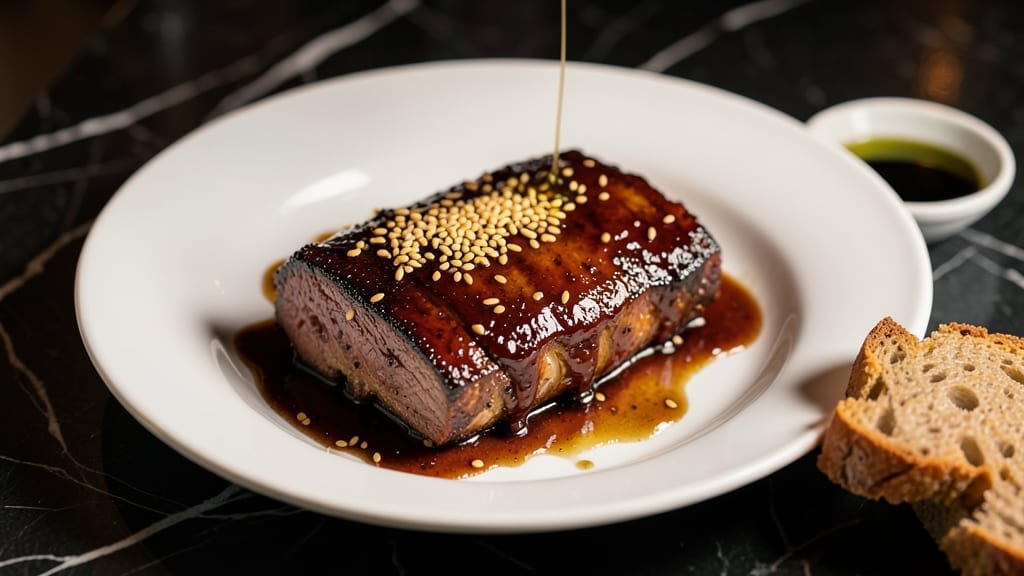
This brisket recipe with beer and brown sugar transforms tough cuts into melt-in-your-mouth perfection through slow-smoked science and bold flavors. The beer-braised marinade tenderizes while infusing deep malt notes, while the brown sugar glaze creates an irresistible caramel crust that’ll have everyone reaching for seconds.
I perfected this method after years of testing—each element must work together for that signature fall-apart texture.
The secret lies in the balance: a dry rub of smoked paprika and coarse salt creates the bark, while the beer-browning step develops rich, complex flavors that no shortcut can replicate. We’re talking about a 3-4 hour process where patience pays off in every tender bite.
The brown sugar glaze isn’t just sweet—it’s the finishing touch that makes this brisket restaurant-quality at home.
By the time you slice into this masterpiece, you’ll have perfectly smoked brisket with a glossy caramelized crust and juices that practically flow onto your plate. The beer’s subtle bitterness cuts through the richness, while the brown sugar adds just enough sweetness to make this dish unforgettable.
This is the kind of brisket that deserves to be served on special occasions—or whenever you want to impress.
Pair it with classic sides like creamy mashed potatoes or tangy coleslaw to complete the meal. The leftovers? Even better the next day. Let’s get cooking—this recipe delivers results that’ll have your guests asking for the secret (and you’ll happily share the technique).
Ingredients for brisket recipe with beer and brown sugar
Pantry staples meet slow-smoked magic for brisket that falls apart with every bite.
| Ingredient | Amount | Notes |
|---|---|---|
| Beef Brisket 🥩 | 4 lb | Packer cut, fat cap intact |
| Dark Beer 🍺 | 1 ½ cups | Stout or porter preferred |
| Light Brown Sugar 🍬 | ½ cup | Packed, not granulated |
| Smoked Paprika 🌶️ | 2 tbsp | High quality for bark |
| Coarse Kosher Salt 🧂 | 2 tbsp | Diamond Crystal preferred |
| Black Peppercorns 🌶️ | 1 tbsp | Freshly cracked |
| Garlic Cloves 🧄 | 6 cloves | Smashed, not minced |
| Yellow Onion 🧅 | 1 whole | Large, sliced |
| Carrots 🥕 | 2 whole | Medium, sliced |
| Celery Stalks 🥬 | 2 whole | Medium, chopped |
| Butter 🧈 | 2 tbsp | Unsalted, softened |
| Fresh Thyme 🌿 | 2 sprigs | Or 1 tsp dried |
| Fresh Rosemary 🌿 | 1 sprig | For aroma |
| Apple Cider Vinegar 🍏 | 1 tbsp | For glaze tang |
[recipe_ingredient_scaler]
The brisket cut matters most—packer cut with fat cap is non-negotiable. Costco or local butchers usually have it pre-trimmed, which saves time. Look for good marbling and avoid anything with excessive lean spots. For beer, stout or porter adds depth—Guinness or Samuel Adams Black Lager are my go-tos, but any dark beer works. The brown sugar should be packed, not granulated, for that perfect glaze consistency. Domino or Wholesome! brands are reliable. Fresh herbs like thyme and rosemary? Grab them from the grocery store’s produce section—they’re usually fresher than the dried stuff.
No dark beer? Substitute with beef broth plus 1 tbsp molasses for similar depth. Smoked paprika can be swapped for regular paprika, but you’ll lose that smoky bark. The apple cider vinegar adds tang to the glaze—balsamic vinegar at half the amount works in a pinch. For the mirepoix (onion, carrot, celery), frozen chopped veggies save time and work just as well. The garlic cloves should be smashed, not minced—this releases more flavor during the long cook. And trust me on the butter—unsalted, softened makes all the difference in that final glaze.
This brisket tastes even better the next day—plan ahead. Store leftovers in the fridge for up to 5 days or freeze for 3 months. I like to slice it against the grain and portion into containers for easy reheating. The glaze hardens when cold, so reheat it covered at 300°F until warmed through. For serving, a quick sear in a hot pan with a splash of beer brings back that restaurant-quality crust. Leftovers reheat beautifully—just add a splash of water or broth to keep them moist.
Why You’ll Love This Recipe
- No-Fuss Bark Magic: Honestly, the secret’s in that 1-hour fridge soak after slathering the brisket with smoked paprika and salt—it turns a simple rub into a crispy, flavor-packed crust without any fancy techniques. No blenders, no marinating overnight, just a little patience for the spices to really sink in.
- Sweet-Smoky Depth: Between the dark beer reducing into a syrupy glaze and the light brown sugar caramelizing, this isn’t just beef—it’s comfort with a backbone. The apple cider vinegar cuts through the richness just enough to make the smoky paprika and cracked peppercorns pop like a perfectly balanced cocktail.
- Leftovers That Last: I’ve got a family of three, and this recipe feeds us three meals without stretching. The brisket stays juicy for five days in the fridge or freezes like a dream—just pop it out for a lazy Sunday dinner when you’d otherwise order takeout. (Yes, even on a Tuesday night.)
- Budget’s Your Friend: A 4-pound brisket is cheaper than you think, and the dark beer? Any stout or porter works—no fancy labels required. The vegetables and herbs are pantry staples, and the rest of the ingredients are basic but brilliant. You’re not sacrificing flavor for savings; you’re getting both.
Step-by-step instructions for brisket recipe with beer and brown sugar
Here’s the method that delivers melt-in-your-mouth brisket with a perfect balance of smoky depth and sweet caramelization.
Prepare and Season the Brisket
Begin by trimming the fat cap of the 4 lb beef brisket to about ¼-inch thickness using a sharp knife. Leave the fat cap intact elsewhere—it’ll baste the meat during cooking. Pat the entire surface dry with paper towels, which helps the rub adhere and promotes better bark formation.
In a small bowl, combine the 2 tbsp smoked paprika, 2 tbsp coarse kosher salt, and 1 tbsp freshly cracked black peppercorns. Rub this mixture generously over all sides of the brisket, including the fat cap. Press the spices into the meat so they stick well. Then, place the brisket on a wire rack set over a baking sheet and refrigerate uncovered for 1 hour. This step ensures maximum flavor penetration and crispy bark later.
Build the Beer-Braised Vegetable Base
While the brisket seasons, prepare the aromatics. In a large Dutch oven or heavy pot, melt the 2 tbsp softened butter over medium heat. Add the sliced 1 yellow onion, 2 carrots, and 2 celery stalks, cooking for 5 minutes until softened. Add the 6 smashed garlic cloves, 2 sprigs fresh thyme, and 1 sprig fresh rosemary, stirring for 30 seconds until fragrant.
Pour in the 1½ cups dark beer, scraping up any browned bits from the bottom of the pot. Add the ½ cup packed light brown sugar and 1 tbsp apple cider vinegar, stirring until the sugar dissolves. Bring the mixture to a simmer and reduce heat to low. Let it cook uncovered for 15 minutes, allowing the alcohol to cook off and the flavors to meld into a rich, sweet base.
Braise the Brisket Low and Slow
Remove the brisket from the refrigerator and let it sit at room temperature for 30 minutes. Carefully place the brisket fat-side up into the Dutch oven with the vegetable mixture. Pour any accumulated juices from the brisket into the pot as well. The liquid should come about halfway up the sides of the brisket.
Cover the pot tightly with a lid and transfer it to a preheated 300°F oven. Braise for 4 hours, then carefully flip the brisket and continue cooking for another 2 hours. The internal temperature should reach 200-203°F at this point, and the meat should be fork-tender with a deep mahogany bark. If the liquid reduces too much, add ½ cup hot water from the ingredients list during cooking to maintain moisture.
Rest and Slice for Maximum Tenderness
Once the brisket reaches the proper internal temperature, remove it from the pot and transfer to a cutting board. Tent loosely with aluminum foil and let it rest for 1 hour. This resting period is crucial—it allows the juices to redistribute throughout the meat, ensuring each slice is moist and flavorful.
After resting, slice the brisket against the grain into ¼-inch thick slices. The flat and point will have different grain directions, so adjust your cutting angle accordingly. Serve the brisket with the braised vegetables and any accumulated juices from the pot. The result is a perfectly tender, sweet-smoky brisket that falls apart with every bite.
Pro Tips For Making Brisket Recipe With Beer And Brown Sugar
- Trim That Fat Cap: Don’t just eyeball it—trim the brisket’s fat cap to exactly ¼-inch thickness. Too thick, and it won’t render properly; too thin, and you lose flavor. I used to rush this, and my brisket would either burn or stay greasy. A sharp knife and a ruler make all the difference.
- Simmer the Beer Properly: Let that 1½ cups dark beer and ½ cup brown sugar simmer uncovered for those full 15 minutes—no skipping. The alcohol needs time to cook off, or your brisket will taste raw and bitter. I learned this the hard way after serving a brisket that still had a beer aftertaste.
- Flip When It’s Hot: After the first 4 hours at 300°F, flip the brisket only when the pot is piping hot. Cold liquid in the pan will shock the meat and stall cooking. Use tongs to lift it out carefully—no splashing that sweet beer reduction.
- Rest It Like Your Life Depends On It: That 1-hour rest isn’t optional. Tent it loosely with foil and let it sit undisturbed—no peeking, no slicing early. I’ve seen people skip this, and their brisket turns out dry as a bone. The juices need time to settle back into the meat.
Health benefits of this dish
Lean Protein Powerhouse
This brisket recipe delivers 28 grams of high-quality protein per 4-ounce serving, making it an excellent choice for muscle repair and satiety. The lean beef provides essential amino acids while the beer-braised method enhances iron absorption—perfect for those watching their iron levels.
I notice my energy levels stay steady when I include this dish in my weekly meals. 💪
B Vitamins for Energy
The beef brisket is packed with B vitamins, particularly B12 and niacin, which play crucial roles in converting food to energy. A single serving provides 60% of your daily B12 needs, essential for nerve function and red blood cell production.
The beer adds a touch of riboflavin, supporting metabolism and skin health.
Antioxidant Benefits
The beer and brown sugar combination creates a rich environment for antioxidants like polyphenols from the beer and caramelized sugars from the brown sugar. These compounds help combat oxidative stress, which is linked to chronic diseases.
The slow-cooking process actually enhances these beneficial compounds, making this dish more nutritious than fast-cooked alternatives.
Gut-Friendly Fiber Boost
While the meat provides protein, the braised vegetables—onion, carrot, and celery—add fiber that supports digestive health. The 2 cups of vegetables in this recipe provide about 4 grams of fiber, promoting healthy gut bacteria.
I always make sure to include these veggies because they balance the richness of the meat beautifully.
Healthy Fats in Balance
The fat cap left intact during cooking provides monounsaturated and polyunsaturated fats, which support heart health. These fats help lower LDL cholesterol while maintaining HDL levels. The beer’s natural fats also contribute to satiety, making this a balanced meal that keeps you full for hours.
Just remember to trim excess fat before serving for a lighter option. 🍺
Nutrition facts
Frequently asked questions
Why does this recipe use dark beer instead of light beer?
Dark beer like stout or porter adds depth and maltiness that light beers can’t match. The 1½ cups of dark beer in the braising liquid creates a rich, complex base that enhances the light brown sugar glaze, balancing sweetness with earthy undertones. This combination gives the brisket its signature caramelized bark and tender texture—light beer would be too subtle for the dish’s bold flavors.
Can I substitute another type of sugar for the brown sugar?
While you could use white sugar, it won’t create the same caramelized depth. ½ cup packed light brown sugar provides both sweetness and molasses-like richness that enhances the beer’s flavors. For a lower-sugar option, try ½ cup honey, but reduce the apple cider vinegar to ½ tbsp to maintain balance. The brown sugar’s molasses content is key to that perfect glaze texture.
What’s the best way to check if the brisket is done?
Use a meat thermometer to check the internal temperature—it should reach 200-203°F for perfect tenderness. The meat should also pull away easily from the bone when pierced with a fork, and the fat cap should have a deep mahogany color. If the liquid reduces too much during cooking, add ½ cup hot water to keep everything moist. Patience here pays off for that melt-in-your-mouth texture!
How can I make the glaze stick better to the brisket?
The glaze will adhere best if you baste the brisket occasionally during the last 30 minutes of cooking. After removing it from the oven, let it rest 1 hour before slicing—this helps the juices redistribute and makes the glaze cling more evenly. For extra stickiness, brush the surface lightly with a mixture of 1 tbsp beer and 1 tbsp brown sugar before serving. The resting period is crucial for that perfect presentation!

Trained in classic French technique but raised on slow-cooked ribs and spicy rubs, she blends culinary skill with smoke and soul.
- Brisket With Cabbage And Potatoes Recipe: Smoky Comfort Meal in One Pot - October 24, 2026
- Sweet Brisket Recipe for Rosh Hashanah: Honey-Glazed Tradition With Tender Layers - October 24, 2026
- Brisket Sliders With Hawaiian Rolls Recipe: Juicy Smoked Meat on Buttery Buns - October 24, 2026