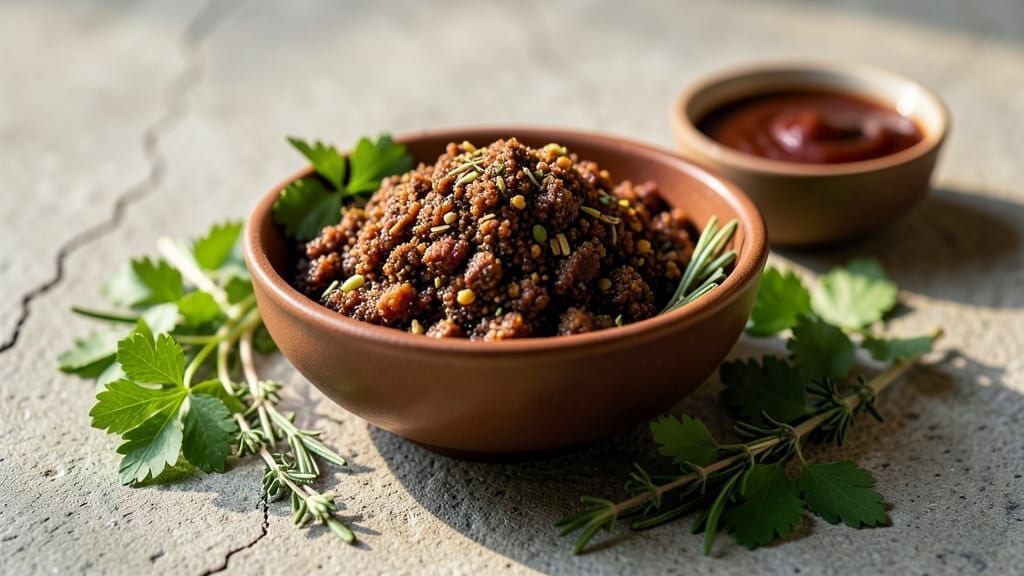
This brisket rub recipe transforms tough meat into melt-in-your-mouth perfection through a carefully balanced blend of spices and sweetness. I developed this formula after years of teaching beginners how to nail their first brisket—it’s the one rub that consistently delivers that coveted fall-apart tenderness.
The secret lies in the harmony between smoky paprika, deep brown sugar caramelization, and just enough heat to wake up the flavors without overpowering the meat.
The beauty of this dry rub is its simplicity: just six core ingredients that work together to create a flavor profile worth smoking for. Unlike pre-packaged blends, this version lets you control the intensity—adjust the cayenne for heat or add extra garlic powder for depth.
I’ve tested it on everything from point cuts to flat rolls, and it never fails to deliver that perfect bark and tender interior. The key is letting the rub sit on the meat for at least 4 hours before cooking, allowing the spices to penetrate deeply.
What you’ll end up with is brisket that’s richly spiced on the outside with a crust that shatters at the touch, while the inside remains juicy and tender enough to slice with a fork.
This rub works equally well on the smoker, grill, or even in the oven—giving you the flexibility to cook brisket your way. The caramelized sugar creates a beautiful mahogany bark that’s as visually impressive as it is delicious, making it perfect for serving at gatherings or impressing guests.
Make a big batch and store it in an airtight container for up to six months—it’s the kind of seasoning blend that becomes a staple in your cooking arsenal.
Whether you’re a seasoned pitmaster or just starting out, this rub will elevate your brisket game every time. Let’s get started on creating your perfect blend.
Ingredients for brisket rub
Six simple spices. One magical blend. Your brisket’s new best friend.
| Ingredient | Amount | Notes |
|---|---|---|
| Smoked Paprika 🌶️ | 3 tbsp | High-quality, smoky flavor |
| Brown Sugar 🍚 | 2 tbsp | Light or dark, packed |
| Garlic Powder 🧄 | 1 ½ tbsp | Freshly ground preferred |
| Ground Black Pepper 🌶️ | 1 ½ tbsp | Freshly cracked preferred |
| Onion Powder 🧅 | 1 tbsp | Finely ground, no lumps |
| Cayenne Pepper 🔥 | ½ tbsp | Adjust for heat preference |
| Kosher Salt 🧂 | 1 ½ tbsp | Coarse grain preferred |
| Ground Cumin 🌿 | ½ tbsp | Toasted for deeper flavor |
[recipe_ingredient_scaler]
The smoked paprika is non-negotiable here—it’s what gives that signature bark its deep, smoky character. Penzeys or the bulk bins at Whole Foods have the best quality, but even the regular grocery store stuff works if it’s fresh. Brown sugar isn’t just for sweetness; it caramelizes beautifully during cooking, creating that coveted mahogany crust. For the garlic powder, Trader Joe’s has a great pre-ground version that’s consistent, but if you’ve got whole cloves and a grinder, toast them first for extra depth. The cayenne is where you control the heat—start with half a tablespoon and add more if you’re feeling adventurous.
No smoked paprika? Regular paprika plus a pinch of liquid smoke gets you close, though it’s not quite the same. Running low on brown sugar? White sugar works in a pinch, but the caramelization won’t be as rich. Fresh out of garlic powder? Garlic salt at half the amount (but reduce the kosher salt slightly to balance). The cumin is subtle but essential—skip it, and you’ll miss that earthy backbone. For extra smokiness, add a pinch of mesquite powder if you’ve got it. And if you’re worried about the cayenne being too spicy, you can always leave it out—just know your bark might lack a little punch.
This rub keeps forever if stored right. Glass jar with a tight-sealing lid in a cool, dark place—your pantry or spice cabinet—will preserve it for up to 6 months. Double the batch and give some away; everyone who tries it will want more. The kosher salt is the only ingredient that might clump over time, so give it a quick stir before using. For best results, let the rub sit on your brisket for at least 4 hours before cooking—trust me, it’s worth the wait.
Why You’ll Love This Recipe
- No-Fuss Mixing: Honestly, this rub takes less than 10 minutes to make—just measure, whisk, and sieve if needed. No fancy tools, no chopping, just dumping spices into a bowl. The whisk does all the heavy lifting, and if you’re in a rush, skip the sieve. The brisket will still taste amazing, I promise.
- Smoky-Sweet Magic: That 3 tablespoons of smoked paprika paired with 2 tablespoons of brown sugar creates a bark so crispy it’ll make your guests think you’re a pitmaster. The garlic powder and onion powder give it that savory backbone, while the ground cumin adds warmth—like a hug in every bite. Trust me, this isn’t just seasoning; it’s flavor alchemy.
- Batch Prep Heaven: This rub makes exactly 8 ingredients, but it’s so versatile—use it on ribs, chicken thighs, or even roasted potatoes. I keep a jar in my pantry for months, shaking it up before every cook. It’s the kind of thing you’ll want on hand for game day, slow cooker meals, or when you’re craving that smoky taste without firing up the smoker.
- Pantry Powerhouse: You already have most of these spices, and the ones you don’t? A dollar store run fixes that. Kosher salt and ground black pepper stretch further than table salt, and cayenne pepper adds heat without breaking the bank. This rub costs less than a takeout meal but delivers restaurant-quality flavor—every time.
Step-by-step instructions for brisket rub
This smoky-spiced blend transforms tough brisket into melt-in-your-mouth perfection every time.
Measure All Ingredients Precisely
Start by gathering all your ingredients on a clean work surface. I like to use a small bowl for each component to keep things organized. The 3 tablespoons of smoked paprika is your flavor foundation—this is where that deep, smoky character comes from. Measure it first since you’ll need it again later for reference.
Next, add the 2 tablespoons of brown sugar—pack it firmly into the measuring spoon to avoid clumps. This isn’t just for sweetness; the sugar helps create that beautiful bark while caramelizing during the cook. The 1½ tablespoons of garlic powder and 1½ tablespoons of ground black pepper go in together. I always use freshly ground pepper for maximum flavor impact—it makes a noticeable difference.
Don’t forget the 1 tablespoon of onion powder, which adds subtle depth, and the ½ tablespoon of cayenne pepper for just the right amount of heat. This is where you can adjust to taste—add a pinch more if you love spice, or leave it as is for a balanced kick. The 1½ tablespoons of kosher salt and ½ tablespoon of ground cumin complete your base blend. Toasted cumin adds earthy warmth that pairs perfectly with the smokiness.
Whisk Everything Together Thoroughly
Transfer all the measured ingredients to a medium mixing bowl. I prefer using a whisk for this step because it helps break up any potential clumps in the brown sugar and ensures even distribution of the cayenne. Give everything a good stir with a spoon first to roughly combine the ingredients.
Now grab that whisk and work it vigorously for about 1-2 minutes. You want this mixture to be completely uniform with no visible streaks of any single spice. The smoked paprika should be evenly dispersed throughout—this is what gives your brisket that signature smoky aroma. Pay special attention to the corners of the bowl to make sure everything gets incorporated.
Here’s the thing—this rub works best when it’s fine and free-flowing. If you notice any gritty texture from the spices, press the mixture through a fine-mesh sieve to achieve a smoother consistency. This ensures your rub will cling perfectly to the brisket without falling off during cooking.
Test and Adjust the Seasoning
Before you apply this rub to your brisket, I always recommend doing a quick taste test. Take about 1 teaspoon of the mixture and wet your finger slightly before touching it to your tongue. This helps distribute the spices evenly across your taste buds.
You should notice a perfect balance of smokiness from the paprika, warmth from the cumin, and a touch of sweetness from the brown sugar. The garlic and onion powders should provide a savory backbone, while the black pepper and cayenne add layers of heat. If you find it needs more salt, add a pinch at a time—you can always adjust, but you can’t take it away once it’s on the meat.
This is also where you can make variations. For a sweeter bark, add an extra ½ tablespoon of brown sugar. If you’re cooking for heat lovers, increase the cayenne to ½ tablespoon. Remember, the rub should be flavorful on its own—this is what makes your brisket extraordinary even before it hits the smoker.
Store for Future Use
Once you’ve perfected your rub, transfer it to an airtight container. I like using a small glass jar with a tight-sealing lid—it keeps everything fresh and makes it easy to measure out portions later. Give the jar a good shake to redistribute any settled spices before sealing.
This rub will keep in your pantry for up to 3 months, though I always make fresh batches when I’m planning a big cook. The spices maintain their potency much better when stored properly. When you’re ready to use it, simply shake the jar well before each application to ensure even distribution of all those delicious spices.
Here’s a pro tip: Label your jar with the date and contents. I write “Brisket Rub” and the date on masking tape around the lid. This way, you’ll always know when it was made and can keep track of freshness. The last thing you want is stale spices ruining an otherwise perfect cook.
Pro Tips For Making Brisket Rub
- SIEVE THE RUB: I learned this the hard way—skipping the sieve means uneven texture and rub falling off your brisket mid-cook. Press the mixture through a fine-mesh sieve after whisking to break up any gritty bits from the smoked paprika or cumin. It takes 30 seconds but guarantees that silky, clingy crust you’re after.
- TOAST THAT CUMIN: Sounds weird, but it works: dry-toast the ½ tablespoon of ground cumin in a skillet for 30 seconds until fragrant before adding it to the mix. The nutty depth explodes when it hits the brisket—my grandmother swore by this, and she was right.
- WHISK LIKE YOU MEAN IT: That 1–2 minute whisking isn’t just for show—it’s what makes the cayenne and smoked paprika disperse evenly. I used to rush it, and my brisket always had random hot spots. Work the whisk in quick, sharp strokes, especially around the bowl’s edges.
- PACK THAT SUGAR: The 2 tablespoons of brown sugar will clump if you don’t pack it firmly into the measuring spoon. Tap the spoon against the bowl’s edge to settle it—this ensures even caramelization for that perfect bark. Trust me, your future self will notice the difference.
Troubleshooting this dish
Rub Won’t Stick
If your rub keeps falling off during cooking, it’s usually a texture issue. I’ve found that pressing the mixture through a fine-mesh sieve before applying makes all the difference—this removes clumps and ensures even distribution.
Another trick is to mix in 1 tablespoon of cornstarch with the dry ingredients; it acts as a binder without altering flavor. Apply the rub generously and let it sit for at least 4 hours (or overnight) so it can adhere properly to the meat. 💡
Uneven Flavor Distribution
When your brisket tastes spotty—some parts intensely spiced, others bland—it’s often because the rub wasn’t applied evenly. I use a pastry brush dipped in water to lightly mist the brisket before applying the rub, which helps it cling better.
Pat the rub in firmly with your hands, focusing on the fat cap and edges where flavor tends to concentrate. Rotate the brisket halfway through the resting period to ensure even seasoning.
Too Much Heat or Salt
Overpowering heat or saltiness usually happens when you don’t taste-test the rub before applying it. I always take 1 teaspoon of the mixture, wet my finger, and taste it to check balance. If it’s too salty, reduce the kosher salt by ½ teaspoon next time.
For heat, start with ½ teaspoon of cayenne instead of ½ tablespoon and adjust gradually. Remember, you can’t remove excess salt or spice once it’s on the meat!
Bark Doesn’t Caramelize
The sugar in your rub should create a beautiful mahogany bark, but if it’s sticking instead of caramelizing, your cooker might be too wet. Ensure your smoker is running at 225–250°F with a 25–30% humidity level.
If you’re using a grill, preheat it to medium-high heat and avoid adding water sprays. For extra caramelization, add ½ teaspoon of liquid smoke to the rub—it enhances the bark without overpowering the flavor.
Rub Loses Potency
Old spices can ruin your rub’s flavor, so always check your ingredients’ freshness. Store your rub in a glass jar with a tight-sealing lid in a cool, dark place. If it smells dull or loses its vibrant color, toss it and make a fresh batch.
I like to label my jars with the date—3 months is the max shelf life for this rub. Pro tip: Toast your cumin and garlic powder lightly in a dry pan for 30 seconds before mixing to intensify their flavors.
Nutrition facts
Frequently asked questions
How long should I let the brisket rub sit before cooking?
For best results, let the rub sit on your brisket for at least 4 hours, or even overnight if possible. This allows the spices to penetrate deeply and develop that perfect flavor bond. I’ve found that overnight resting creates a more intense bark and richer taste—trust me, it’s worth the wait!
Can I make this rub without smoked paprika?
Yes, but you’ll miss that signature smoky depth. Mix 1 tablespoon regular paprika with ½ teaspoon liquid smoke to get close. The combination won’t be identical, but it’ll still give you great flavor. For the most authentic taste, I recommend using quality smoked paprika whenever possible.
Why does my rub keep falling off during cooking?
This usually happens when the mixture isn’t fine enough. Press your rub through a fine-mesh sieve before applying, or mix in 1 tablespoon cornstarch as a binder. Also, make sure to pat it in firmly and let it rest for 4+ hours before cooking. A good rub should cling like a second skin!
How can I tell if my spices are still fresh?
Check for vibrant color and strong aroma—dull spices mean it’s time to replace them. For your rub, test the smoked paprika and cumin first, as they lose potency fastest. If they smell flat, toss the whole batch and make fresh. I always label my spice jars with dates to keep track!
Can I use this rub on other meats?
This blend works beautifully on pork shoulder, chicken thighs, or even lamb chops. Just adjust cooking times—brisket’s long cook time develops the flavors, while quicker-cooking meats might need less time. The key is to let the rub sit for at least 2 hours before cooking.

Trained in classic French technique but raised on slow-cooked ribs and spicy rubs, she blends culinary skill with smoke and soul.
- Smoked Brisket Recipe: Low and Slow to Fall-Apart Tenderness - November 2, 2026
- Smoked Turkey Breast Recipe: Juicy Pink Center With Crispy Skin Every Time - November 2, 2026
- Leftover Smoked Pulled Pork Chili Recipe: Rustic Flavor Revival in One Pot - November 2, 2026