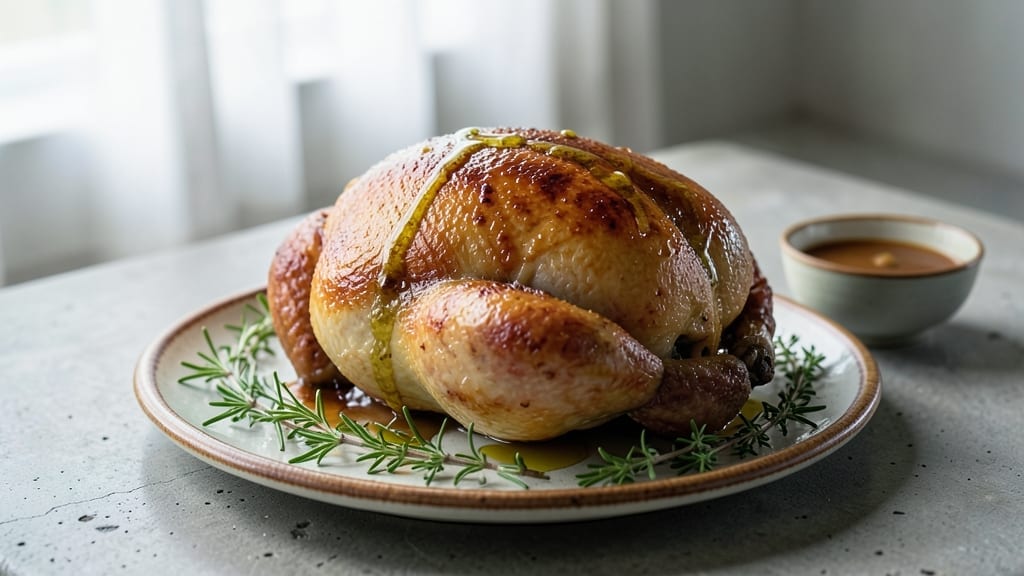
Mastering a Camp Chef smoked turkey recipe without brining delivers juicy, golden perfection that rivals any holiday spread. The secret lies in precise temperature control and a dry rub that locks in moisture while creating that coveted crisp skin.
I learned this technique after years of perfecting smoky flavors on my family’s backyard cookout, where hickory smoke first ignited my passion for low-and-slow cooking.
What makes this recipe stand out is its simplicity—no brining, no complicated prep. A well-seasoned turkey with a blend of spices and herbs gets smoked at a steady 250°F until the internal temperature reaches 165°F, ensuring tender meat without drying it out.
The key is maintaining consistent heat and basting occasionally to keep the skin moist while it develops that beautiful golden crust.
By the time you pull that turkey from the smoker, you’ll have a bird that’s juicy from edge to edge, with skin so crisp it shatters like glass. The aroma alone will have your guests gathering at the table, and every slice will be moist, flavorful, and perfectly cooked.
This is the kind of turkey that makes holiday dinners memorable.
Pair it with classic sides like roasted vegetables, cranberry sauce, or a rich gravy made from the pan drippings. The smoky flavor from the Camp Chef adds depth that store-bought turkeys can’t match. Let’s get started on creating your showstopper centerpiece!
Ingredients for camp chef smoked turkey
A few simple seasonings transform a turkey into smoky, juicy perfection—no brining needed.
| Ingredient | Amount | Notes |
|---|---|---|
| Fresh Whole Turkey 🦃 | 12 lb | Unbrined, bone-in preferred |
| Coarse Kosher Salt 🧂 | 2 tbsp | Diamond Crystal preferred |
| Freshly Ground Black Pepper 🌶️ | 1 ½ tbsp | Freshly cracked for best flavor |
| Smoked Paprika 🌶️ | 1 tbsp | For authentic smoky depth |
| Onion Powder 🧅 | 1 tbsp | Freshly ground preferred |
| Garlic Powder 🧄 | 1 tbsp | Not garlic salt |
| Fresh Thyme Leaves 🌿 | ½ cup | Stems removed, chopped |
| Fresh Rosemary Sprigs 🌿 | ¼ cup | Needles finely chopped |
| Hickory Wood Chips 🌳 | 2 packages | Unsoaked, for smoker |
| Unsalted Butter 🧈 | ½ cup | Cold, cubed for basting |
| Apple Cider Vinegar 🍎 | 2 tbsp | For crisp skin |
| Olive Oil 🫒 | 2 tbsp | For skin prepping |
| Meat Thermometer 🌡️ | 1 whole | Instant-read preferred |
[recipe_ingredient_scaler]
The turkey is the star, so size matters. A 12-pound bird fits perfectly on a Camp Chef smoker, giving you enough leftovers for sandwiches. Look for unbrined, bone-in turkeys—they hold moisture better. I grab mine from Costco or Whole Foods when they’re on sale, but any grocery store will have them. The key is to let it sit at room temperature for 1 hour before smoking—this ensures even cooking. Pat it very dry with paper towels (the good stuff, not the flimsy kind), then rub with olive oil to help that skin crisp up. Trust me on this: dry skin = golden skin.
No smoked paprika? Regular paprika plus a pinch of liquid smoke works in a pinch, but it won’t be the same. Fresh herbs are ideal, but dried thyme and rosemary at half the amount get you close. The butter for basting? Full-fat is non-negotiable here—it adds richness and helps crisp the skin. Short on time? Pre-mix your dry rub in a bowl and store it in the fridge for up to 2 weeks. The hickory chips? Soak them for 30 minutes if your smoker runs hot, but unsoaked works fine in a Camp Chef. Pro tip: Double-wrap them in foil with holes punched in—less mess, more consistent smoke.
This turkey reheats beautifully—just 350°F for 15 minutes covered with foil. The leftovers keep for 4 days in the fridge or 3 months frozen. I always carve it right after resting (about 30 minutes), then portion out slices for sandwiches. The drippings? Save them for gravy—just strain out the fat and simmer with a splash of broth. The skin? Crispy enough to eat by itself. Store any uneaten turkey in an airtight container, pressed directly against the meat to keep it moist.
Why You’ll Love This Recipe
- No-Fuss Prep: Honestly, this turkey takes the guesswork out of holiday cooking. Just pat it dry, slather on that mix of smoked paprika and garlic powder, and let it sit in the fridge while you prep sides. No brine, no fuss—just pure, unfussy flavor.
- Smoky-Spiced Magic: That combo of thyme, rosemary, and apple cider vinegar on the skin? Chef’s kiss. The hickory smoke from the wood chips and the crispy, buttery finish make every bite taste like a backyard cookout—even if you’re just grilling in your driveway.
- Leftovers That Last: A 12-pound turkey on a Camp Chef? Game over for sandwiches the next day. I’ll be real: my kids beg for turkey wraps for lunch, and I never have to stress about leftovers spoiling. Just reheat the meat (carefully!) and boom—dinner’s sorted.
- Budget-Friendly Feast: You’re getting a whole bird with rosemary, butter, and hickory smoke for less than you’d spend on takeout. The dry rub pre-mix even saves time—just toss it in the fridge for up to two weeks, and you’re always ready. Feeds a crowd, won’t break the bank.
Step-by-step instructions for smoked turkey on Camp Chef
Here’s how to transform your turkey into a juicy, golden masterpiece using just your Camp Chef.
Prep the Turkey for Maximum Flavor and Crisp
Start by removing the turkey from its packaging and patting it completely dry with paper towels—this is non-negotiable for crispy skin. I like to work in the sink for this step to catch all the drippings. Once dry, place the turkey breast-side up on a wire rack set inside a rimmed baking sheet.
In a small bowl, combine the 2 tablespoons coarse kosher salt, 1½ tablespoons freshly ground black pepper, 1 tablespoon smoked paprika, 1 tablespoon onion powder, and 1 tablespoon garlic powder. Rub this mixture all over the turkey, including inside the cavity. Then, mix the ½ cup fresh thyme leaves and ¼ cup fresh rosemary sprigs with the 2 tablespoons apple cider vinegar to create a paste. Spread this herb-vinegar mixture evenly over the skin, focusing on the breast and thighs.
Finally, brush the turkey all over with the 2 tablespoons olive oil—this helps the skin crisp while keeping the meat moist. Let the turkey sit uncovered in the refrigerator for at least 4 hours or overnight. This dry-brining process ensures juicy meat and that coveted crispy skin without needing to soak it in a saltwater bath.
Set Up Your Camp Chef for Perfect Smoke
When you’re ready to cook, remove the turkey from the fridge and let it sit at room temperature for 1 hour. This helps it cook more evenly. While it’s coming to temperature, set up your Camp Chef smoker. Add the 2 packages hickory wood chips to the smoker box and light them according to your Camp Chef’s instructions. Once the wood chips are burning steadily, adjust the temperature to 225°F—this low-and-slow approach is key for tender meat.
Place the turkey on the smoker grate, breast-side up. The reason for this positioning is simple: the breast cooks faster than the thighs, and starting it right-side up helps prevent drying. Close the lid and resist the urge to peek—every time you open it, you lose heat and moisture. Let the turkey smoke undisturbed for 3 hours before you even think about checking the temperature.
Here’s the thing about smoking turkey—patience is everything. The skin will start to take on a beautiful golden hue, and you’ll smell that incredible aroma wafting through the air. That’s your signal that things are progressing perfectly.
Monitor Temperature and Add Butter for Extra Flavor
After 3 hours, use the meat thermometer to check the turkey’s internal temperature. Insert the probe into the thickest part of the thigh, avoiding the bone. You’re aiming for 150°F at this stage—this is when you’ll start to see the skin getting crispy and the juices running clear. If it’s not there yet, continue smoking.
Once the thigh reaches 150°F, it’s time to add the ½ cup unsalted butter for basting. Melt the butter in a small saucepan over low heat until it’s completely liquid but not browned. Use a pastry brush to generously coat the skin all over, focusing on the breast and any areas that haven’t developed much color. This butter basting creates a luscious, golden crust while keeping the meat moist.
Return the turkey to the smoker and continue cooking. The key now is to keep the temperature steady at 225°F. If you notice the smoke thinning out or the temperature dropping, add more wood chips as needed. The turkey is done when the thigh reaches 165°F—this should take another 2 to 3 hours depending on the size of your bird.
Rest and Carve for Juicy Perfection
When the turkey hits 165°F, remove it from the smoker and transfer it to a cutting board. This is where the magic of resting happens—it allows the juices to redistribute throughout the meat instead of pooling and running out when you carve. Tent the turkey loosely with foil and let it rest for at least 30 minutes (I prefer 45 minutes for maximum juiciness).
During this time, the internal temperature will rise another 5 to 10 degrees—this is normal and actually improves the texture. While you’re waiting, you can use the time to prepare your sides or make gravy from the drippings in the smoker pan. Just be sure to save any juices that collect in the turkey’s cavity—they’re packed with flavor.
After resting, carve the turkey against the grain for tender slices. The skin should be crispy and golden, the meat juicy and tender, and every bite should deliver that perfect balance of smoky, herby, and slightly tangy flavors. Serve immediately with your favorite sides and watch your guests rave about this showstopping centerpiece.
Pro Tips For Making Camp Chef Smoked Turkey
- Check Thigh First: DESCRIPTION: The breast can be misleading—it’s always hotter. Stick that thermometer into the thickest part of the thigh (not touching bone) to get the real doneness reading. I’ve seen perfectly browned breasts hide undercooked thighs, and nobody wants dry, pale meat hiding under crisp skin.
- Freshly Cracked Pepper: DESCRIPTION: That pre-ground black pepper in the jar? Skip it. Freshly cracked pepper has way more punch and aroma, especially when paired with the 1.5 tbsp in this recipe. I used to ignore this, and the flavor just didn’t sing—now I grind it right before mixing with the 2 tbsp coarse kosher salt and other spices.
- Don’t Rush the 3-Hour Smoke: DESCRIPTION: Resisting the urge to peek is hard, but opening the lid early throws off the smoke and temperature. The first 3 hours at 225°F are about building flavor and collagen breakdown—cutting this short means tougher meat and less smoky depth. Trust the process, even if it feels like forever.
- Melt Butter Slowly: DESCRIPTION: When basting with the ½ cup unsalted butter, melt it low and slow—no splattering, no browning. I learned this after one batch turned into a greasy mess. Use a light hand with the pastry brush too; you want the skin to crisp, not steam. The goal is a glossy, golden finish, not a soggy one.
Perfect pairings for this dish
Smoky Side Dishes
Pair your smoked turkey with roasted sweet potatoes tossed in maple syrup and smoked paprika—they soak up the turkey’s smoky notes beautifully. I cut them into 1-inch cubes, toss with 2 tbsp olive oil and 1 tbsp smoked paprika, then roast at 400°F for 25 minutes.
The caramelization complements the turkey’s crispy skin perfectly. 🍠
Herb-Infused Gravy
Use the turkey’s pan drippings to make a rich, herby gravy that ties the meal together. Strain out the fat, then simmer the drippings with 1 cup turkey or chicken broth, 2 tbsp fresh thyme, and 1 tbsp cornstarch mixed with 2 tbsp cold water.
Whisk until thickened—this 10-minute process creates a sauce that’s as flavorful as it is easy. 🥄
Citrusy Sides
Brighten the meal with orange-glazed carrots—sauté 2 lbs carrots in 2 tbsp butter with ¼ cup orange juice and 1 tbsp honey until tender. The citrus cuts through the turkey’s richness, balancing the smoky flavors.
I add a pinch of cinnamon for warmth, but skip it if you prefer pure citrus notes. 🍊
Smoked Beer Pairings
A smoky amber ale like Allagash White or New Belgium Fat Tire cleanses the palate between bites. The maltiness complements the turkey’s smokiness, while the carbonation refreshes your taste buds. For something bolder, try a Belgian-style dubbel—its caramel and spice notes harmonize with the hickory smoke. 🍺
Wine Complements
For wine lovers, a dry Riesling or Pinot Noir works wonders. The acidity in Riesling cuts through the turkey’s fat, while the Pinot Noir’s red fruit notes echo the smoky depth. I reach for a German Spätlese when hosting—it’s crisp, fruity, and pairs effortlessly with the smoky turkey. 🍷
Nutrition facts
Frequently asked questions
Why does your recipe skip traditional brining?
Dry-brining with 2 tablespoons coarse kosher salt spread evenly over the turkey and chilled for 4 hours or overnight achieves the same juiciness without soaking. This method also creates that perfect crispy skin—just brush with 2 tablespoons olive oil before refrigerating. The salt penetrates the meat while it rests, locking in moisture naturally.
What’s the best way to handle the turkey when it’s time to baste?
After 3 hours of smoking, check the thigh temperature—aim for 150°F. Melt ½ cup unsalted butter in a saucepan, then use a pastry brush to coat the skin generously. Focus on the breast and any pale areas. Return the turkey immediately to the smoker and maintain 225°F—this keeps the skin golden and the meat moist.
How do I know when the turkey is truly done?
Insert the thermometer into the thickest part of the thigh (avoiding the bone) until it reads 165°F. The skin should be crispy, and juices should run clear when you pierce the meat. Let the turkey rest for 45 minutes before carving—this lets the juices redistribute, ensuring every bite is tender and flavorful.
Can I use other wood chips besides hickory?
Hickory is classic, but apple or cherry wood adds a sweeter note, while mesquite delivers a bolder, earthier flavor. Just adjust the smoke level—mesquite cooks faster, so monitor the turkey closely. For a milder taste, soak the wood chips for 30 minutes before lighting, but unsoaked chips work fine on a Camp Chef.
What if my Camp Chef smoker runs hotter than 225°F?
If the temperature exceeds 225°F, reduce the heat slightly or increase airflow by opening the vents a crack. For extra control, double-wrap the 2 packages hickory wood chips in foil with holes punched in—this slows the burn rate. Keep an eye on the turkey and adjust as needed; the key is steady heat, not rushing the cook.

Trained in classic French technique but raised on slow-cooked ribs and spicy rubs, she blends culinary skill with smoke and soul.
- Smoked Brisket Recipe: Low and Slow to Fall-Apart Tenderness - November 2, 2026
- Smoked Turkey Breast Recipe: Juicy Pink Center With Crispy Skin Every Time - November 2, 2026
- Leftover Smoked Pulled Pork Chili Recipe: Rustic Flavor Revival in One Pot - November 2, 2026