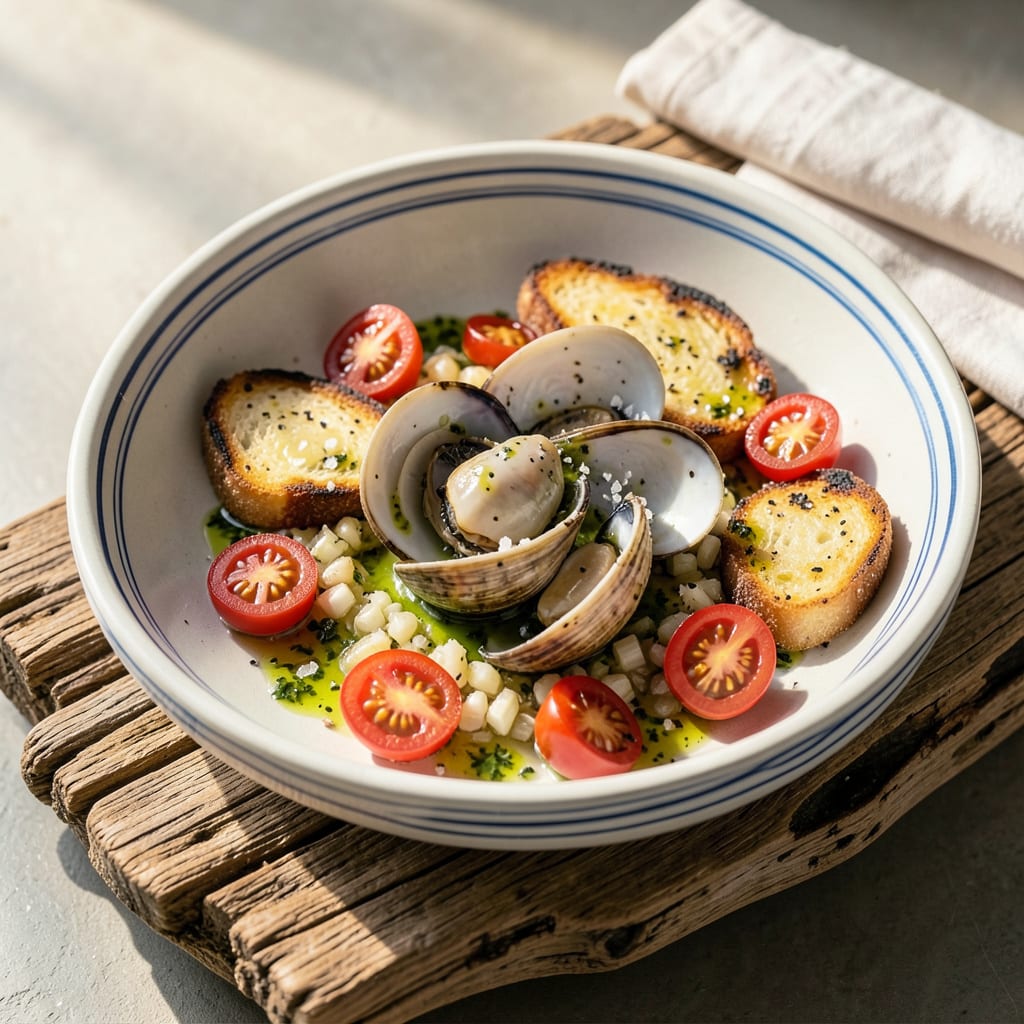
Eating raw clams carries significant risks due to potential bacteria, viruses, and parasites. Only consume them raw if they’re certified fresh, properly sourced, and prepared with extreme care—cooking is far safer for most people.
As a chef who’s worked with seafood for years, I’ve seen firsthand how quickly shellfish can turn dangerous when mishandled. The ocean environment where clams thrive is also home to microorganisms like Vibrio bacteria and hepatitis A, which don’t always show obvious signs of contamination. Even clams from reputable sources can carry risks if water temperatures shift or harvesting protocols aren’t followed precisely. 🔥
What many don’t realize is that proper cooking isn’t just about taste—it’s a critical safety step. Steaming clams until their shells open fully (typically 5-10 minutes) ensures internal temperatures reach levels that neutralize most pathogens. I always advise home cooks to check for closed shells before cooking and discard any that don’t open during preparation—this simple step prevents many foodborne illnesses.
💡 In This Article
- Health Risks of Eating Raw Clams and How to Minimize Them
- Safe Ways to Prepare and Enjoy Clams at Home
Health Risks of Eating Raw Clams and How to Minimize Them
Clams filter up to 50 gallons of water per day through their systems, which means they accumulate whatever microorganisms are present in their environment. The most dangerous is Vibrio vulnificus, a bacterium that thrives in warm coastal waters and can cause severe illness within 24-48 hours of ingestion.
Unlike food poisoning that causes mild discomfort, Vibrio infections can lead to bloodstream infections with a 20% mortality rate in vulnerable populations. 🔥
Norovirus and hepatitis A are equally concerning because they resist many standard cleaning methods. These viruses bind to clam tissues during filter-feeding and remain infectious even after the clam is shucked.
Water temperature plays a critical role—studies show clams harvested from waters above 68°F are 5 times more likely to contain harmful pathogens than those from colder regions. The FDA monitors harvesting areas, but contamination can still occur between testing cycles.
Certain groups face exponentially higher risks. People with liver disease, diabetes, or compromised immune systems are 80 times more likely to develop severe complications from raw clams. Even healthy individuals can experience violent gastrointestinal symptoms that last 4-7 days.
The only way to significantly reduce these risks is through proper cooking, which destroys pathogens at internal temperatures above 145°F. ✨
Proper handling makes a measurable difference. Clams should be stored at 40°F or below and cooked within 2 days of purchase. A 2018 CDC study found that 63% of shellfish-related outbreaks occurred from clams consumed raw or undercooked at home.
Even “fresh” clams from reputable sources can become dangerous if left unrefrigerated for more than 2 hours—the time it takes for bacteria to multiply to hazardous levels.
Some regions implement depuration—a controlled purification process where clams are placed in clean, UV-treated water for 48-72 hours to flush out contaminants. While this reduces (but doesn’t eliminate) risks, it’s not foolproof. The safest approach remains cooking clams until their shells open fully, typically requiring 5-9 minutes of steaming.
This ensures internal temperatures reach pathogen-killing levels while preserving the clam’s natural briny sweetness. 💫
For those determined to eat them raw, only consume clams from certified dealers who follow strict HACCP (Hazard Analysis Critical Control Point) protocols. Look for tags indicating harvest dates and locations—clams from colder northern waters (like Maine or Canada) statistically carry fewer pathogens than those from warmer southern regions.
Even then, the risk never drops to zero, which is why most health agencies recommend cooking as the only reliable safety measure. ⚡

Trained in classic French technique but raised on slow-cooked ribs and spicy rubs, she blends culinary skill with smoke and soul.
- Recipe for Boneless Pork Chops in Cast Iron Skillet: Sear and Baste to Juicy Perfection - October 3, 2026
- Recipe for Boneless Cross Rib Roast: Slow-Roasted Beef with Herb Crust - October 3, 2026
- Hamburgers in Sauce Recipe Crock Pot: Slow-Cooked Savory Delight - October 3, 2026