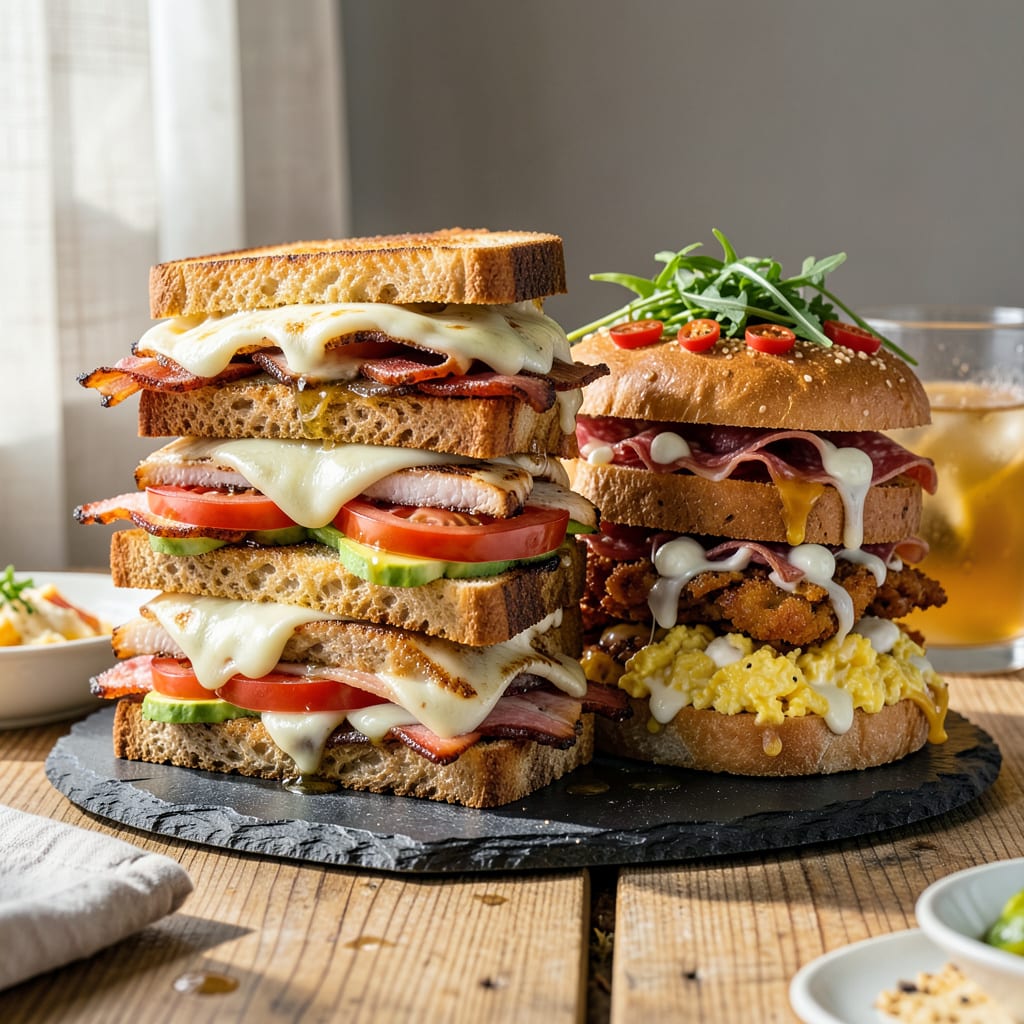
Yes, you can freeze sandwiches for up to 2-3 months, but success depends on the ingredients. Bread, cheese, and cooked meats freeze well, while lettuce, tomatoes, and mayo-based spreads do not. Wrap tightly in plastic wrap and foil for best results.
I’ve found that the secret to freezer-friendly sandwiches lies in understanding moisture content. 🔥 Ingredients like cucumbers or raw onions turn mushy because their high water content forms ice crystals that rupture cell walls. Meanwhile, hearty ingredients like roasted turkey or sharp cheddar maintain their integrity. The wrapping technique matters just as much as the ingredients—double-layering prevents freezer burn and locks in freshness. From my experience, sandwiches with sauces work best when the sauce is added after thawing to avoid sogginess.
💡 In This Article
- How Freezing Affects Different Sandwich Ingredients
- Step-by-Step Guide to Freezing and Reheating Sandwiches
How Freezing Affects Different Sandwich Ingredients
The science behind freezing sandwiches comes down to water content and cellular structure. Ingredients with low moisture—like sourdough bread (15-20% water) or hard cheeses (30-40% water)—freeze beautifully because their rigid structures resist ice crystal damage.
Meanwhile, crisp vegetables like lettuce (95% water) or tomatoes (94% water) become mushy because their cell walls rupture when water expands into ice. 🔥
Proteins behave differently based on their preparation. Cooked meats like roasted chicken or smoked ham maintain texture because their proteins have already coagulated during cooking. Raw meats, however, can develop a mealy texture from ice crystals forming between muscle fibers.
Cheeses with higher fat content (cheddar, Swiss) freeze better than soft cheeses (brie, cream cheese) because fat doesn’t crystallize like water.
Condiments are the wild card. Emulsified sauces like mayonnaise separate because freezing breaks the oil-water bonds. Mustard and vinegar-based dressings handle freezing better due to their acidity, which stabilizes the emulsion. I always recommend adding wet ingredients after thawing to preserve texture.
The bread’s starch structure also changes—freezing causes retrogradation, where starch molecules realign into a firmer structure (similar to day-old bread).
Temperature fluctuations cause the most damage. Each time a sandwich thaws slightly and refreezes, ice crystals grow larger, accelerating cell wall rupture. That’s why vacuum-sealed sandwiches last longer—they prevent temperature swings and oxygen exposure.
Even with perfect wrapping, expect subtle flavor changes: volatile aroma compounds diminish over time, making frozen sandwiches taste slightly blander after 6-8 weeks. ✨
Here’s what I’ve observed in my test kitchen: sandwiches with dried fruits (like cranberries) or pickled vegetables (like banana peppers) freeze exceptionally well because their low water activity prevents ice crystal formation. The same goes for nut butters—their natural oils remain stable at freezing temperatures, unlike dairy-based spreads.
- Best freezers: Whole grain bread, cooked poultry, hard cheeses, nut butters
- Risky choices: Leafy greens, raw tomatoes, mayo-based salads, soft cheeses
- Surprising winners: Pickled jalapeños, dried cranberries, mustard-based spreads
The freezer becomes your ally when you work with these principles. I’ve had turkey-cheddar sandwiches on whole wheat taste nearly fresh after 2 months when wrapped in plastic + foil and reheated in a toaster oven. The key is controlling moisture—both in your ingredients and in the freezing environment. 💫

Trained in classic French technique but raised on slow-cooked ribs and spicy rubs, she blends culinary skill with smoke and soul.
- Recipe for Boneless Pork Chops in Cast Iron Skillet: Sear and Baste to Juicy Perfection - October 3, 2026
- Recipe for Boneless Cross Rib Roast: Slow-Roasted Beef with Herb Crust - October 3, 2026
- Hamburgers in Sauce Recipe Crock Pot: Slow-Cooked Savory Delight - October 3, 2026