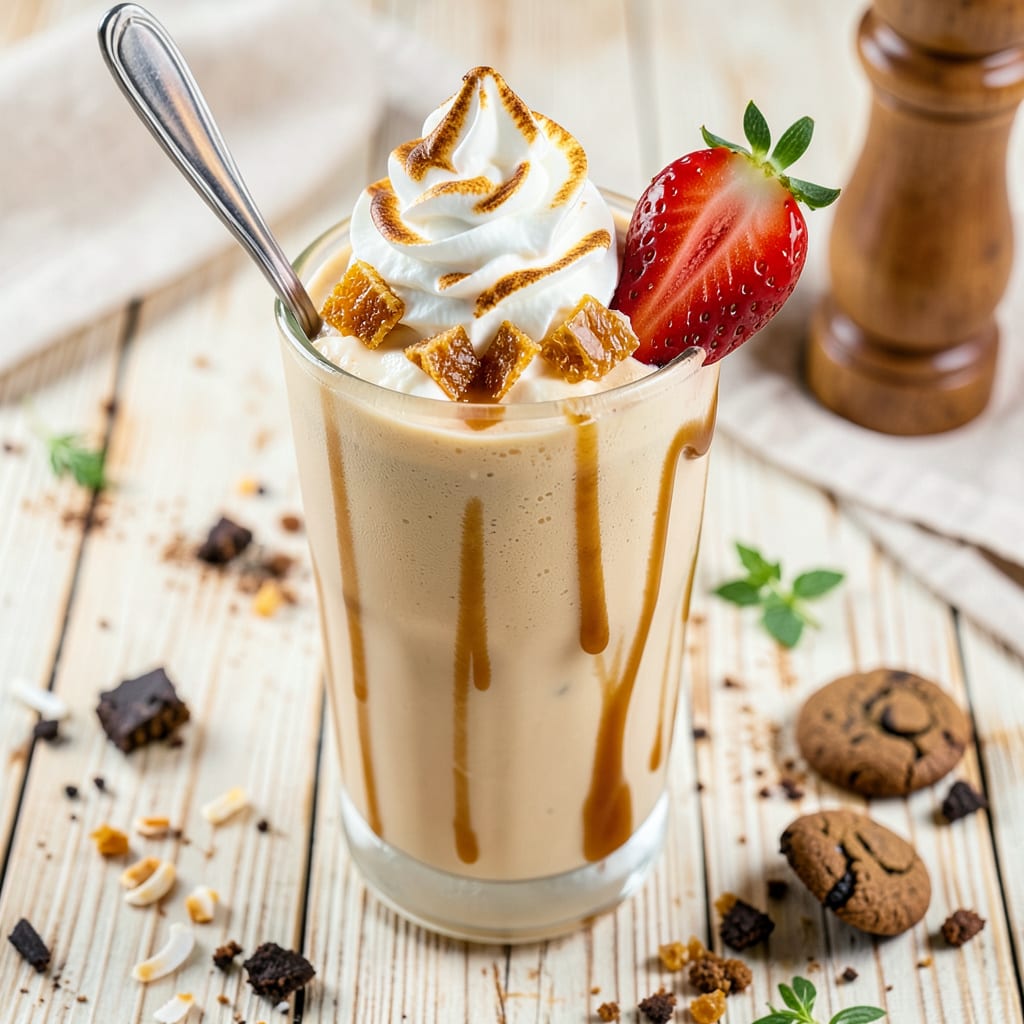
Absolutely! You can create creamy, delicious milkshakes without dairy by using alternatives like almond milk, coconut milk, oat milk, or even frozen bananas for thickness. The key is balancing liquid ratios with your chosen base for the right texture.
I’ve tested dozens of plant-based swaps in my kitchen, and the secret lies in understanding fat content. 🔥 Coconut milk brings natural creaminess thanks to its 12-15% fat content, while nut butters add richness that mimics whole milk. Even unexpected ingredients like silken tofu or avocado can transform a thin shake into something luxuriously thick. The blending process matters too—high-speed blenders emulsify ingredients better, creating that classic milkshake mouthfeel without dairy.
💡 In This Article
- How Dairy-Free Ingredients Replace Milk in Milkshakes
- Top 5 Dairy-Free Milkshake Recipes and Flavor Pairings
How Dairy-Free Ingredients Replace Milk in Milkshakes
The magic happens through fat and protein content. Coconut milk contains 12-15% fat—comparable to whole dairy milk’s 3.5-4% fat—which creates that signature creamy texture. When chilled and blended, the fat globules in coconut milk emulsify similarly to dairy, forming tiny suspended droplets that coat your tongue.
This is why full-fat coconut milk (from a can) works better than light versions for milkshakes.
Nut butters and avocados bring both fat and body. A 2-tablespoon serving of peanut butter contains about 16g of fat, which helps thicken shakes naturally. The proteins in nut butters also bind with liquids during blending, creating a stable emulsion that won’t separate.
Avocados add 20g of fat per fruit plus natural pectin, which gives shakes a velvety consistency without any dairy.
Frozen bananas transform texture through their starch structure. As bananas freeze, their cell walls break down, releasing pectin that acts as a natural thickener. When blended, the starches absorb liquid and expand, creating a smooth, almost pudding-like base.
I’ve found 1 frozen banana per 12oz of liquid gives the ideal thickness—similar to a traditional milkshake made with ice cream.
Plant-based milks require careful balancing. Oat milk’s natural starches (about 1g per 100ml) make it creamier than almond milk, while soy milk’s 7-9g protein per cup helps stabilize foam. The key is using 1/4 less liquid than you would with dairy milk, since plant alternatives often have higher water content.
High-speed blenders (like Vitamix) create better emulsions by shearing ingredients at 20,000+ RPMs, preventing separation. 🔥
Temperature plays a crucial role too. Chilling all ingredients to 35-40°F before blending helps maintain thickness, as warmer liquids thin out the final texture. I always freeze my mixing cup first—this keeps the shake cold during blending and prevents ice crystals from melting too quickly.
The result is a dairy-free milkshake that scoops like soft-serve rather than pouring like a smoothie.
For extra richness, consider adding 1-2 tablespoons of coconut cream or 1/4 cup of silken tofu per serving. These ingredients boost fat content without altering flavor significantly. The tofu trick is particularly useful for chocolate shakes, as it adds creaminess while letting the cocoa flavor dominate.
Remember that plant-based shakes often need 10-15% more sweetener than dairy versions, since the natural sugars in milk are absent.
What most people don’t realize is that air incorporation matters just as much as ingredients. Dairy-free shakes benefit from 30-45 seconds of blending to whip in air, creating that classic milkshake froth. Start on low speed to combine ingredients, then finish on high to aerate.
This technique makes the difference between a flat beverage and a proper milkshake that stands up in the glass. ✨

Trained in classic French technique but raised on slow-cooked ribs and spicy rubs, she blends culinary skill with smoke and soul.
- Recipe for Boneless Pork Chops in Cast Iron Skillet: Sear and Baste to Juicy Perfection - October 3, 2026
- Recipe for Boneless Cross Rib Roast: Slow-Roasted Beef with Herb Crust - October 3, 2026
- Hamburgers in Sauce Recipe Crock Pot: Slow-Cooked Savory Delight - October 3, 2026