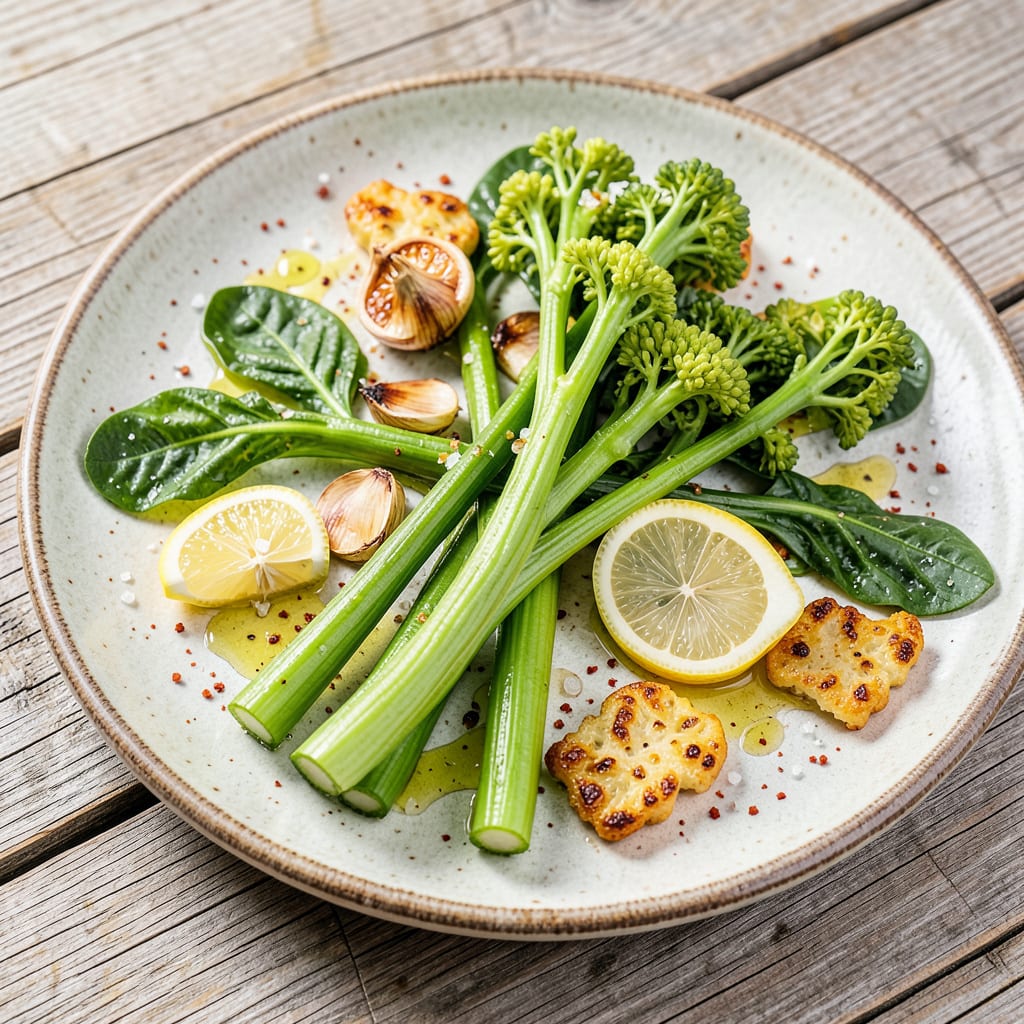
Yes, broccolini leaves are completely edible and safe to eat. They have a mild, slightly bitter flavor similar to broccoli rabe or kale, with a tender texture when cooked properly. Always wash them thoroughly before use.
I love working with broccolini leaves because they pack a nutritional punch that often gets overlooked. These delicate greens contain higher concentrations of vitamins A, C, and K compared to the stalks, plus a surprising amount of fiber for their size. 🔥 When I forage for fresh produce, I always keep an eye out for broccolini with abundant leaves—they’re perfect for quick sautés or as a peppery addition to salads. The key is treating them like you would other tender greens: high heat for crispiness or gentle blanching to preserve their vibrant color and nutrients.
💡 In This Article
- Nutritional Value and Flavor Profile of Broccolini Leaves
- Creative Ways to Cook and Serve Broccolini Leaves
Nutritional Value and Flavor Profile of Broccolini Leaves
Broccolini leaves pack a surprising nutritional punch that often gets overlooked. These delicate greens contain 35% more vitamin A per gram than the stalks, along with 2x the vitamin K of regular broccoli.
The leaves also deliver 1.8g of fiber per cup—about 7% of your daily needs—while maintaining a low calorie count at just 22 calories per serving. 🌟 This nutrient density comes from their high chlorophyll content, which gives them that vibrant green color and acts as a natural detoxifier in your body.
The flavor profile sits between broccoli rabe and young kale, with a pleasant peppery note that mellows when cooked. Raw leaves have a slightly grassy taste similar to arugula, while cooking transforms them into something more buttery and complex.
I’ve found that sautéing at 375°F for 2-3 minutes brings out their natural sweetness, whereas blanching for 60 seconds preserves their bright color and crisp texture. The leaves contain glucosinolates—compounds that give cruciferous veggies their distinctive bite—though in lower concentrations than the florets.
What makes these leaves special is their cellular structure. The thin cell walls break down quickly when exposed to heat, releasing nutrients more efficiently than tougher greens. This means you get better bioavailability of those vitamins compared to eating mature kale or collard greens.
The leaves also absorb flavors remarkably well, making them perfect for quick infusions with garlic, lemon, or chili. 🔥 I often use them in place of basil in pestos because their mild bitterness balances the richness of nuts and cheese beautifully.
From a culinary science perspective, the leaves’ high moisture content (92% water) means they cook about 30% faster than the stalks. This water content also makes them ideal for quick pickling—they absorb vinegar solutions in under 2 hours while maintaining their structure.
The leaves’ thinness (typically 0.5-1mm thick) allows for even cooking and crispy edges when roasted at 425°F for 8-10 minutes. Their tender nature means they don’t require the long cooking times that can destroy heat-sensitive nutrients like vitamin C.
Compared to other greens, broccolini leaves offer a unique combination of tenderness and flavor complexity. They’re more delicate than kale but sturdier than spinach, with a flavor that’s less bitter than dandelion greens but more interesting than plain lettuce.
The leaves contain about 1.2mg of iron per cup, which is particularly well-absorbed when paired with vitamin C-rich ingredients like lemon juice or bell peppers. ✨ This makes them an excellent choice for plant-based diets where iron absorption can be a concern.
One fascinating aspect is how their flavor changes with maturity. Young leaves (under 2 inches long) have a almost sweet, pea-like quality, while more mature leaves develop that characteristic cruciferous bite. The color also indicates nutrient density—deeper green leaves contain more chlorophyll and magnesium.
I always look for bunches where the leaves are firmly attached to the stems, as this indicates freshness and maximum nutrient retention.
The leaves’ thin waxy coating actually helps preserve their nutrients during cooking. This cuticle layer protects the delicate cell structures from breaking down too quickly when exposed to heat or acid. That’s why broccolini leaves maintain their vibrant color better than many other greens when sautéed or blanched.
💫 For maximum benefit, I recommend eating them within 3-4 days of purchase, as their nutrient content declines by about 15% per day after harvesting.

Trained in classic French technique but raised on slow-cooked ribs and spicy rubs, she blends culinary skill with smoke and soul.
- Recipe for Boneless Pork Chops in Cast Iron Skillet: Sear and Baste to Juicy Perfection - October 3, 2026
- Recipe for Boneless Cross Rib Roast: Slow-Roasted Beef with Herb Crust - October 3, 2026
- Hamburgers in Sauce Recipe Crock Pot: Slow-Cooked Savory Delight - October 3, 2026