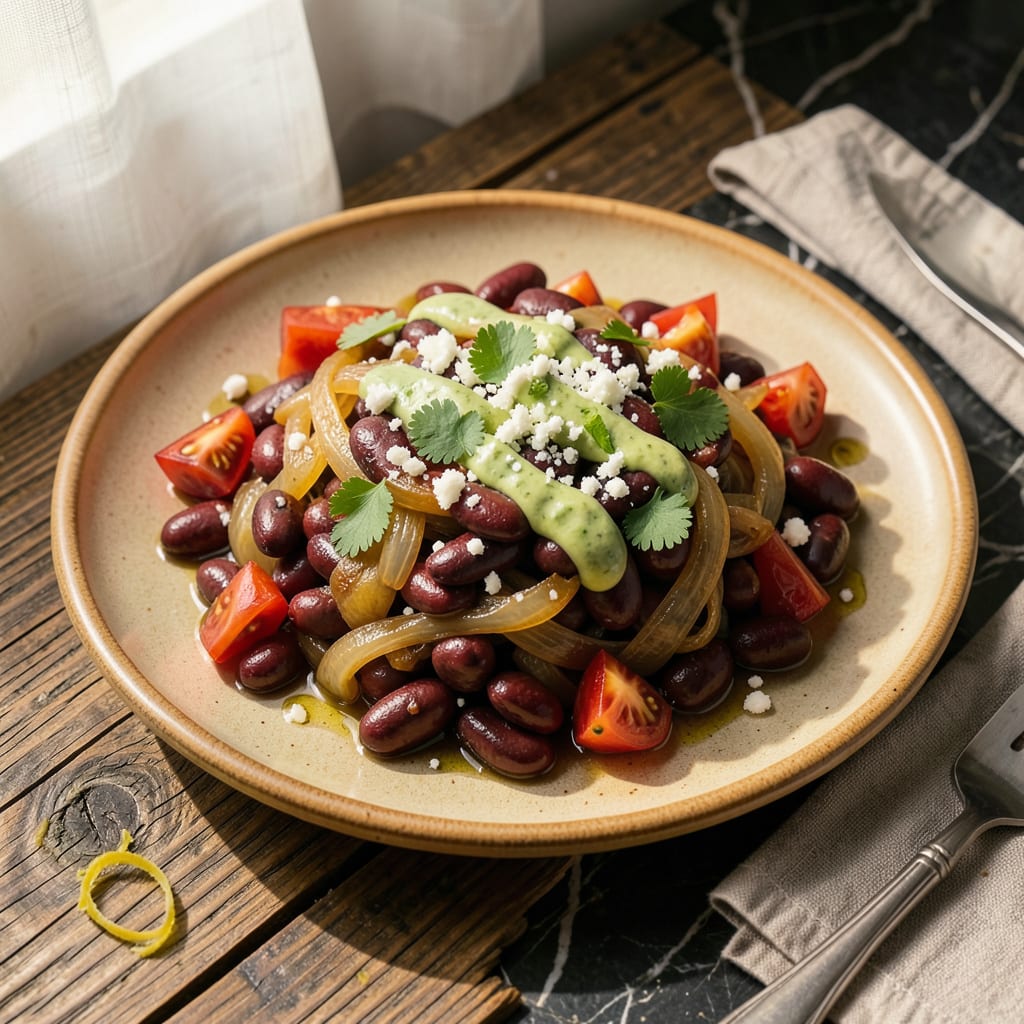
Yes, you can substitute kidney beans for black beans in most recipes, but expect a firmer texture and slightly sweeter, earthier flavor. They hold their shape better when cooked, which may alter dish consistency.
I’ve found this swap works beautifully in hearty dishes like chili or stews, where the beans’ structure matters. 🔥 The kidney bean’s thicker skin means it absorbs flavors differently—think of it like swapping a firm apple for a softer pear in baking. You might want to adjust your seasoning slightly, as kidney beans can handle bolder spices like cumin or smoked paprika better than their milder black bean counterparts.
What’s fascinating is how this substitution changes the dish’s mouthfeel. In salads, you’ll get more bite and crunch, while in slow-cooked meals, they maintain their integrity longer. I always recommend soaking kidney beans an extra 30 minutes to soften that outer skin before cooking. ✨
💡 In This Article
- Flavor and Texture Differences Between Kidney and Black Beans
- Best Recipe Adjustments When Swapping Kidney for Black Beans
Flavor and Texture Differences Between Kidney and Black Beans
Kidney beans pack a distinct earthy sweetness with mineral undertones, while black beans offer a deeper, almost mushroom-like flavor. This difference comes from their unique phytochemical profiles—kidney beans contain higher levels of phaseolin (a storage protein) that breaks down into sweeter compounds during cooking.
Black beans, meanwhile, have more anthocyanins (those dark pigments) that contribute to their slightly bitter, umami-rich taste. 🔥
The texture contrast is even more dramatic. Kidney beans have a thicker, more fibrous skin (about 0.2mm compared to black beans’ 0.1mm) and maintain their shape through 45-60 minutes of simmering. Black beans soften faster, with skins that rupture more easily after 30 minutes.
This means kidney beans will give you distinct, separate bites in dishes, while black beans tend to melt into the background.
Moisture retention plays a huge role in cooking results. Kidney beans absorb about 25% less liquid than black beans during soaking and cooking, which explains why they stay firmer. In soups, this means you might need to add ½ cup extra broth per 15oz can of kidney beans to compensate.
The starch content also differs—kidney beans release 18% less starch into cooking liquid, keeping sauces thinner. ✨
Consider how these beans interact with other ingredients. Kidney beans’ sweetness pairs beautifully with acidic components like tomatoes or vinegar, while black beans complement richer, fattier ingredients like avocado or cheese. In salads, kidney beans hold up better to dressing for 24+ hours without turning mushy, making them ideal for meal prep.
Their vibrant red color also makes dishes more visually appealing than black beans’ muted tones.
Temperature affects them differently too. Kidney beans need 10-15 minutes longer to reach the same tenderness as black beans when simmered. Their higher fiber content (15.2g per cup vs 12.9g in black beans) means they require more heat to break down.
This makes them perfect for slow-cooked dishes where you want beans to maintain integrity, but less ideal for quick sautés where tenderness matters. 💫
Here’s a quick sensory comparison:
- Kidney beans: Sweet, earthy aroma; firm bite; holds shape well
- Black beans: Deep, mushroom-like scent; creamy texture; softens quickly
- Visual: Kidney beans add vibrant red; black beans create dark contrast
The starch structure explains why kidney beans work better in cold dishes. Their amylose-to-amylopectin ratio (about 30:70) prevents retrogradation (that grainy texture you get when starchy foods cool), while black beans’ 25:75 ratio makes them ideal for warm, creamy applications like dips or refried beans. ⚡

Trained in classic French technique but raised on slow-cooked ribs and spicy rubs, she blends culinary skill with smoke and soul.
- Recipe for Boneless Pork Chops in Cast Iron Skillet: Sear and Baste to Juicy Perfection - October 3, 2026
- Recipe for Boneless Cross Rib Roast: Slow-Roasted Beef with Herb Crust - October 3, 2026
- Hamburgers in Sauce Recipe Crock Pot: Slow-Cooked Savory Delight - October 3, 2026