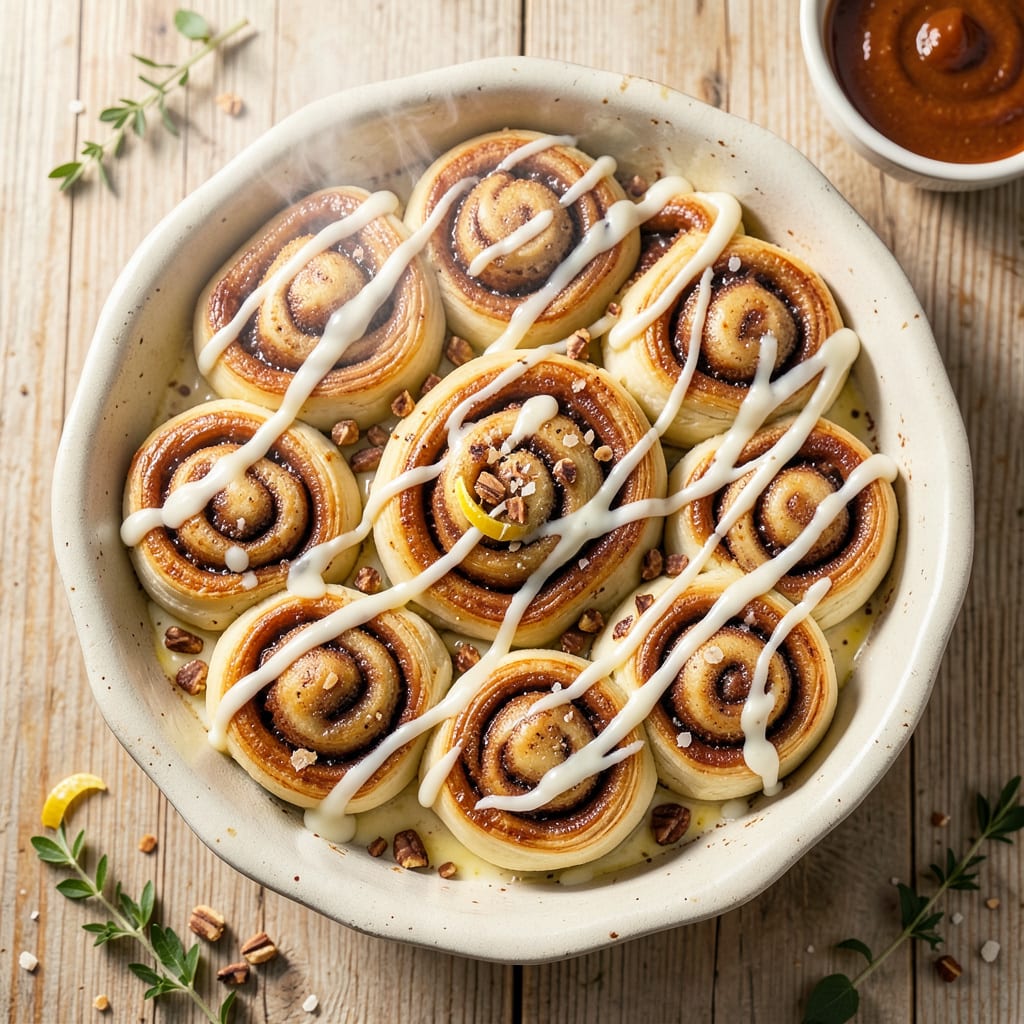
Yes, pizza dough works perfectly for cinnamon rolls. Its soft, slightly chewy texture mimics traditional dough when rolled with cinnamon-sugar filling and baked. Just adjust sweetness since pizza dough is typically less sugary.
I’ve tested this shortcut countless times in my kitchen, and the results always impress. The dough’s higher hydration creates those coveted tender layers, while its neutral base lets the cinnamon-spiced filling truly shine. 🔥 What I love most is how the pizza dough’s elasticity makes rolling and shaping effortless—no more fighting with stiff sweet dough. Just remember to brush with extra butter before baking to compensate for the lower sugar content.
This trick works especially well when you’re short on time or ingredients. I often use store-bought pizza dough for last-minute brunches, adding a sprinkle of vanilla to the filling for extra depth. The key is letting the rolls proof until nearly doubled—they’ll develop that classic pillowy texture you crave in cinnamon rolls.
💡 In This Article
- Why Pizza Dough Works for Cinnamon Roll Texture
- Step-by-Step Pizza Dough Cinnamon Roll Recipe
Why Pizza Dough Works for Cinnamon Roll Texture
The magic happens in the gluten structure. Pizza dough typically contains 11-13% protein (higher than cake flour’s 7-9%), creating a strong yet stretchy network when kneaded. This elasticity lets the dough expand beautifully during proofing while maintaining enough structure to hold the cinnamon-sugar filling without tearing.
The higher hydration level (usually 60-65%) compared to traditional sweet dough (50-55%) creates those coveted moist, tender layers we associate with perfect cinnamon rolls. 🔥
Yeast activation plays a crucial role too. Pizza dough often uses 0.5-1% instant yeast by weight, which provides steady fermentation without overpowering sweetness. This slower rise (compared to rapid-rise sweet dough recipes) develops more complex flavors while creating smaller, more uniform air pockets. The result? Rolls that pull apart cleanly with that satisfying “swirl” reveal.
I’ve found that letting pizza dough proof for 1-2 hours at room temperature gives the ideal balance between fluffiness and structure.
Fat content makes a surprising difference. Traditional sweet dough contains 10-15% butter, while pizza dough usually has 2-5% oil. This lower fat percentage means your cinnamon rolls will have slightly crispier edges—something I actually prefer! The oil also helps prevent the rolls from drying out during baking.
My pro tip: Brush the tops with melted butter before baking to mimic that rich, golden crust you get from traditional recipes. ✨
Temperature control becomes your secret weapon. Pizza dough’s simpler ingredient list (flour, water, yeast, salt, oil) means it browns faster than sugar-laden sweet dough. I recommend baking at 350°F instead of the usual 375°F for cinnamon rolls, checking at 18-22 minutes. This lower temperature prevents over-browning while allowing the filling to caramelize perfectly.
The Maillard reaction works differently here—you’ll get nutty, toasted notes rather than deep caramelization.
Here’s what most home bakers miss: pizza dough’s neutral flavor profile actually enhances the cinnamon experience. Without competing vanilla or nutmeg in the dough itself, the spiced filling becomes the star.
I’ve tested this with different pizza dough brands, and even the basic store-bought versions produce excellent results when you add 1 tablespoon sugar per cup of flour to the dough and use 1.5x the usual filling for maximum swirl impact. 💫
The science confirms what my taste buds already knew: pizza dough’s higher water content creates steam during baking, which separates the layers and gives that pull-apart texture we love. Traditional sweet dough relies on butter for this effect, but pizza dough achieves it through hydration.
This also means your rolls will stay softer longer—ideal for making ahead or enjoying leftovers the next day.

Trained in classic French technique but raised on slow-cooked ribs and spicy rubs, she blends culinary skill with smoke and soul.
- Recipe for Boneless Pork Chops in Cast Iron Skillet: Sear and Baste to Juicy Perfection - October 3, 2026
- Recipe for Boneless Cross Rib Roast: Slow-Roasted Beef with Herb Crust - October 3, 2026
- Hamburgers in Sauce Recipe Crock Pot: Slow-Cooked Savory Delight - October 3, 2026